
Forty-one million dollars. That is roughly how much money had already moved through a dirham-backed digital currency most shoppers in the UAE had never heard of, let alone used at a register. On September 9, that changed. DDSC stablecoin payments landed at the checkout counter of two of the country’s best-known retail chains, and for the first time, ordinary customers could pay for groceries or a shirt with it instead of a card.
How DDSC Stablecoin Payments Reach the Checkout Line
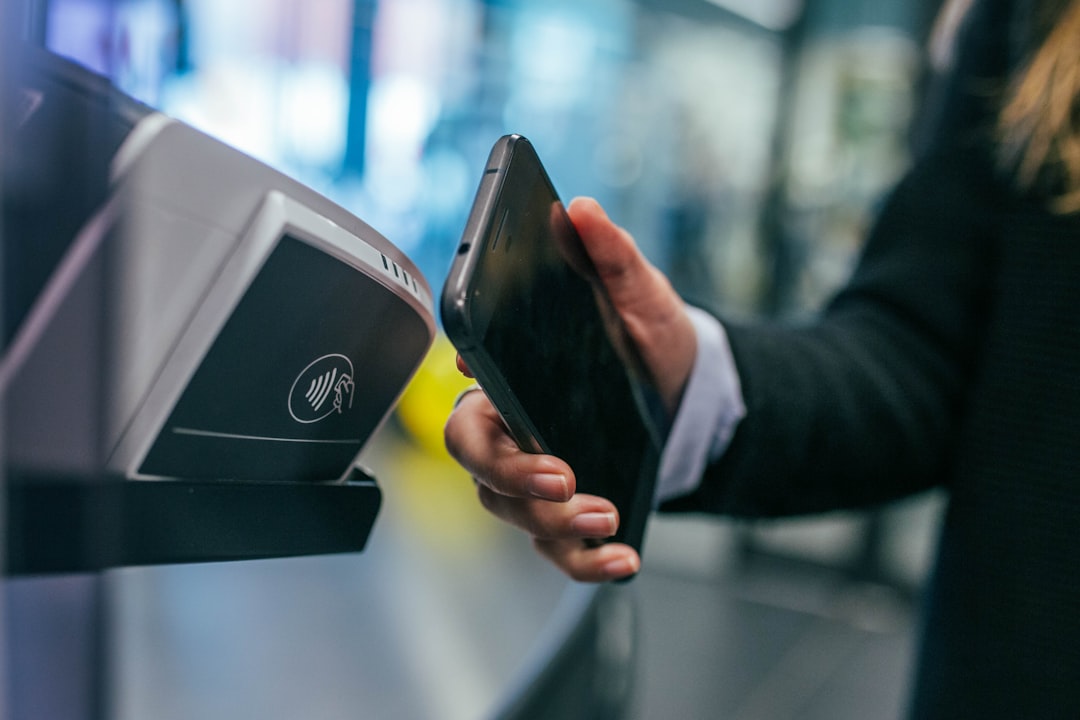
Network International, the payments company that already processes transactions for merchants across the UAE, teamed up with DDSC to run the pilot. First Abu Dhabi Bank, International Holding Company, and Sirius International Holding back the currency, and the UAE Central Bank licenses it at a fixed 1:1 peg to the dirham. None of that plumbing matters much to a shopper standing in line. What matters is this: customers with a DDSC-supported wallet scan a QR code at the same point-of-sale terminal the store already uses, approve the payment on their phone, and walk out. No new hardware. No separate checkout lane.
The pilot starts small, with just two stores: Marks & Spencer at Dubai Festival City and LuLu Hypermarket at Khalidiyah Mall in Abu Dhabi. LuLu is not a boutique chain, though. It is one of the Gulf’s biggest hypermarket operators, and construction workers, delivery drivers, and domestic staff fill its aisles every week doing the grocery runs that keep a modest paycheck stretched to the next payday.
Why It Matters for Everyday Shoppers
A dirham-pegged stablecoin will not change what’s on sale at LuLu this week. It changes how money moves after the sale happens. DDSC settles independently of the traditional card networks, so transactions can clear outside normal banking hours and skip the delays that come from routing a payment through several intermediaries. For most shoppers, that shows up as one more option next to cash and cards, nothing more dramatic. But for someone who gets paid irregularly, works night shifts, or just wants a payment method that doesn’t care whether the bank is open, that’s a small, real convenience.
What’s In It for the Stores
Merchants get something more concrete: choice over how they get paid. Network International lets retailers settle in DDSC directly or convert straight to dirhams, and it says that flexibility can cut the cost and complexity of moving money around. Al-Futtaim, which owns the Marks & Spencer stores in the pilot, runs more than 200 retail brands and rings up tens of millions of transactions a year. If the pilot works, DDSC acceptance rolls out across that whole network next.
Other payment companies are placing a similar bet elsewhere. Coinbase and Moov recently built stablecoin payments infrastructure into more than 1,000 US community banks, on the theory that once the back end works quietly and reliably, customers stop noticing the technology and just notice that paying got easier. DDSC’s backers are testing that same theory at the cash register instead of the bank counter.
Still Early Days
Neither company has disclosed exact fees or how much faster a DDSC payment clears than a card swipe, so it’s too soon to call this a guaranteed win for anyone’s wallet. What’s clear is the direction: a regulated, dirham-backed digital currency built for institutional finance now sits on a shelf next to the card reader at a grocery store, open to anyone with a smartphone. Marqeta and BVNK are already wiring stablecoins into everyday debit cards elsewhere. This pilot bets that paying with one at checkout in the UAE can feel just as unremarkable.