
Picture a home health aide in south Everett. Call her Marisol. She works split shifts and stretches every paycheck between rent, gas, and her daughter’s inhaler. Last summer’s heat wave pushed her electric bill up nearly $90. She braced for a shutoff notice. Instead, one of Everett’s new community solar bill credits landed on her account, funded by sunlight a few blocks from her apartment.
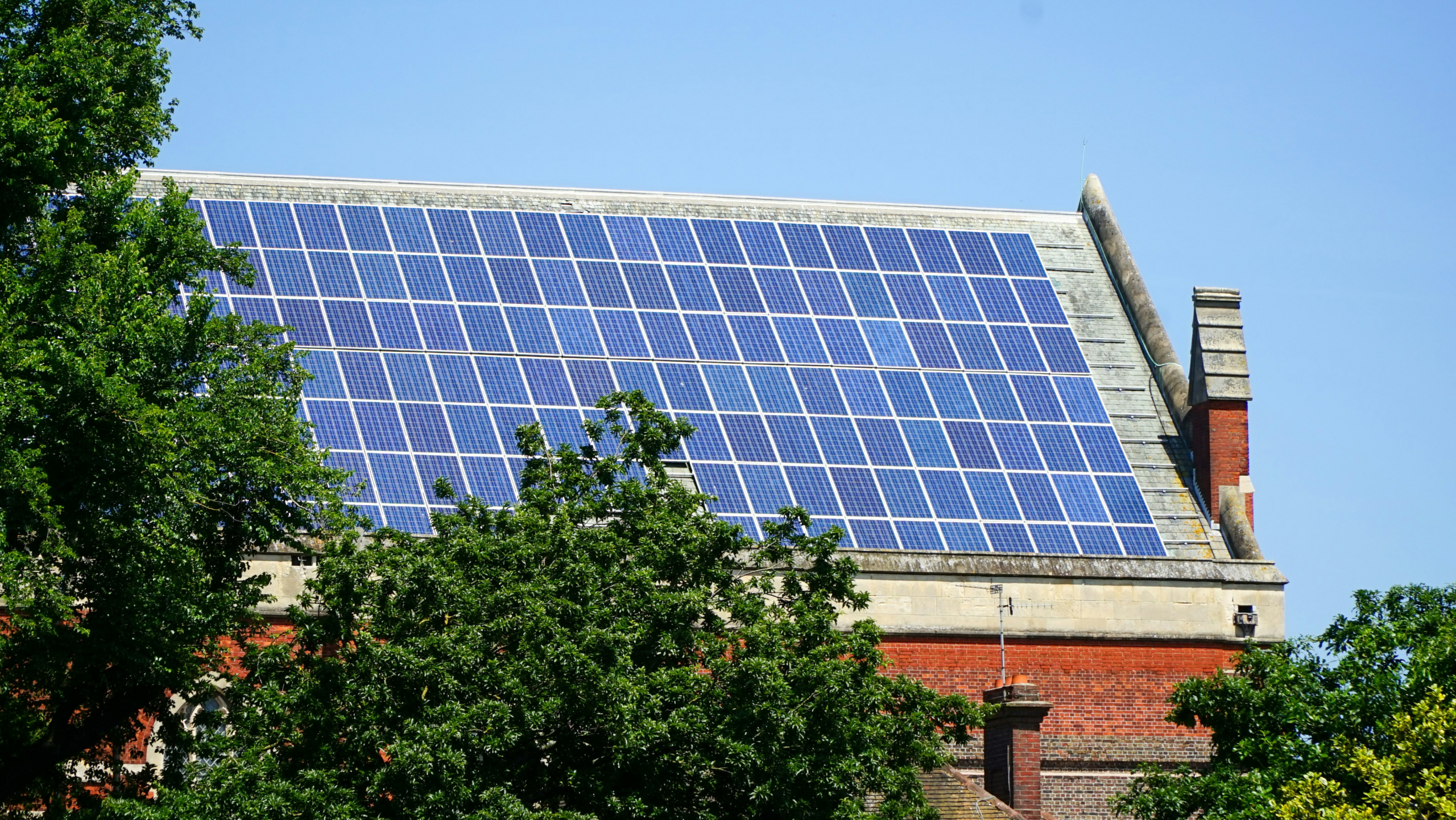
A new solar array just off Casino Road generates those credits for families like hers, and it opened to the public on September 19, as Lynnwood Times first reported. Snohomish County PUD and the City of Everett built the project together, and they gave it a name that says exactly what it does: “El Sol al Alcance de tus Manos,” or “The Sun at Your Fingertips.”
How Community Solar Bill Credits Reach Families
The math here is simple, and that is the point. The array sits on 1.75 acres next to Walter E. Hall Park and generates 400 kilowatts, enough to power about 30 homes for a year. Every dollar the PUD earns selling that power flows into the Community Energy Fund, which St. Vincent de Paul hands out to income-qualified customers who are behind on their bills.
The fund has already paid out more than $40,000 to roughly 200 families. That works out to about $200 per household. For someone choosing between groceries and staying cool during a heat wave, that is real money. The array also eases strain on the grid during peak summer demand from nearby industrial users, which helps keep power steady for everyone else in the neighborhood too.
PUD Commissioner Julieta Altamirano-Crosby put it simply:
“That name reflects a powerful idea: that renewable energy, opportunity, and support should be within reach for everyone.”
A Walking Path and a Wall of Suns
The project did not stop at panels. The city built a new accessible walking path connecting the Westmont and Holly neighborhoods to Walter E. Hall Park, something residents had asked for long before anyone talked about solar. Older adults, wheelchair users, and parents pushing strollers now have a safer route to the park instead of walking along a busy road shoulder.
Three local artists, Luisana Hernandez, Ruben Trujillo, and Yessica Marquéz, built a public art installation around the array. Nearly 1,000 kids from Horizon Elementary and the Denny Youth Center painted wooden suns and hands that now hang alongside it. Marquéz, who grew up in the neighborhood, said it best: “This is my community. I live here. There’s more than just me as a brown person being an artist here.”
Why This Model Is Worth Copying
This is a small array. Thirty homes’ worth of power will not move the needle on state emissions goals. But community solar research from the Pew Charitable Trusts found that programs like this one are one of the few paths to real savings for the roughly half of U.S. households who rent or cannot afford rooftop panels. That is the real story here.
Everett paid for most of it with outside money too. More than 80 percent of the $2.5 million project came from a Washington Clean Energy Fund grant and federal tax credits, not local ratepayers. Other utilities are running the same playbook: Ann Arbor’s solar battery program opens up savings to renters, and a solar-funded program is erasing lunch debt at rural Washington schools by letting clean power revenue cover a bill that has nothing to do with electricity.
If your utility does not run a program like this yet, ask them why not. Somebody in south Everett already has the paperwork.