
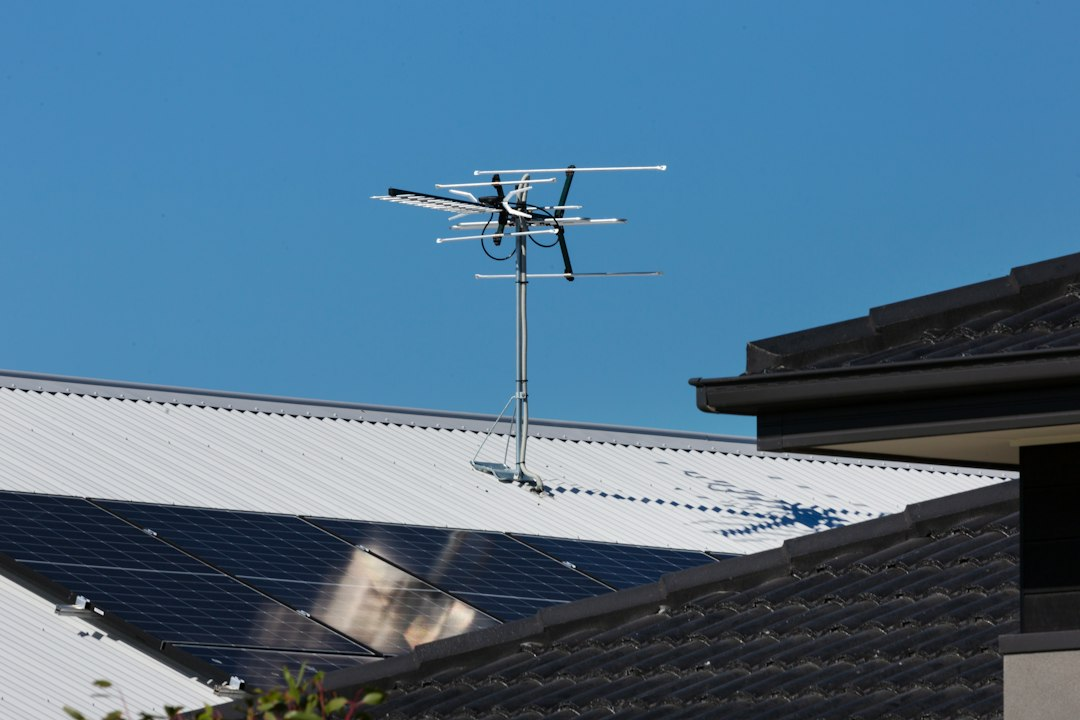
Marcus is twelve years old, and for two years he’s wanted to join the robotics club at his school in eastern Washington. The interest was never the problem. A participation fee was, the kind of cost that sounds small until a parent is stretching one paycheck across rent, groceries, and three kids. This year, that fee disappeared. So did the lunch debt that used to follow some of his classmates home in a note from the office. The reason sits on the roof of the district’s transportation building: a bank of solar panels installed through a program called the Giving Grid solar schools initiative. It didn’t cost the district a single dollar.
Freeman School District, just south of Spokane, flipped the switch on a 100-kilowatt system this year. The district expects to save about $15,000 a year for the next decade. Superintendent Lisa Phelan didn’t set that money aside. She put it straight into kids.
“The different programs that we would seek out for them is to provide opportunities for all students to join robotics or our chess club or our extreme science, because right now some of those are paid programs and it limits who can access them,” Phelan told KXLY News.
How the Giving Grid Solar Schools Model Works
The nonprofit Zero Emissions Northwest built the Giving Grid on one simple rule. Schools pay nothing up front, and nothing later either. State tax credits cover the installation cost. The Washington State University Energy Program handles the paperwork, so small districts without a grants office can still take part. In exchange, districts have to spend their savings on low-income students and families for the program’s first ten years.
About twenty rural districts have signed on so far, with thirteen more in the pipeline. WSU projects the group could save close to $20 million in energy costs over the panels’ 30-year lifespan. That’s real money reaching towns that usually get passed over for big infrastructure spending. It’s not that anyone doubts the need. Rural tax bases are just too thin to fund it alone, and grant writers are a luxury most of these districts can’t afford.
What $15,000 a Year Buys in a Small Town
Money that used to leave as a utility payment now stays local. Freeman is putting its savings toward:
- Wiping out student lunch debt
- Covering sports and music participation fees
- Opening robotics, chess, and science club access to every student, not just the ones who can pay
Harrington School District installed the program’s first completed system and serves just 105 students. Its leaders are weighing weekend food programs, technology upgrades, and field trips that a tight fee schedule used to rule out. Multiply that across twenty districts, and the impact stops looking like pocket change.
Some of these schools are also eyeing what comes next: battery storage. Roanoke, Virginia already paired solar with batteries at two of its high schools, keeping the lights and water running when those schools double as storm shelters. Washington’s rural districts, often the only public building for miles with backup power potential, could follow that same path.
A Model Worth Copying
Washington isn’t the only place discovering that free solar can plug budget holes that classrooms actually feel. CleanTechnica recently profiled six districts nationwide saving millions the same way. What sets the Giving Grid apart is who it serves. These aren’t wealthy suburban districts with staff to chase grants. They’re towns like Sprague, Colville, and Lamont, some with only a few hundred residents total.
If you sit on a school board, a PTA, or a city council in a small town, this is worth a phone call to your utility or state energy office. Ask if a program like the Giving Grid exists near you. The panels can pay for themselves. A kid’s chess club fee shouldn’t have to.