
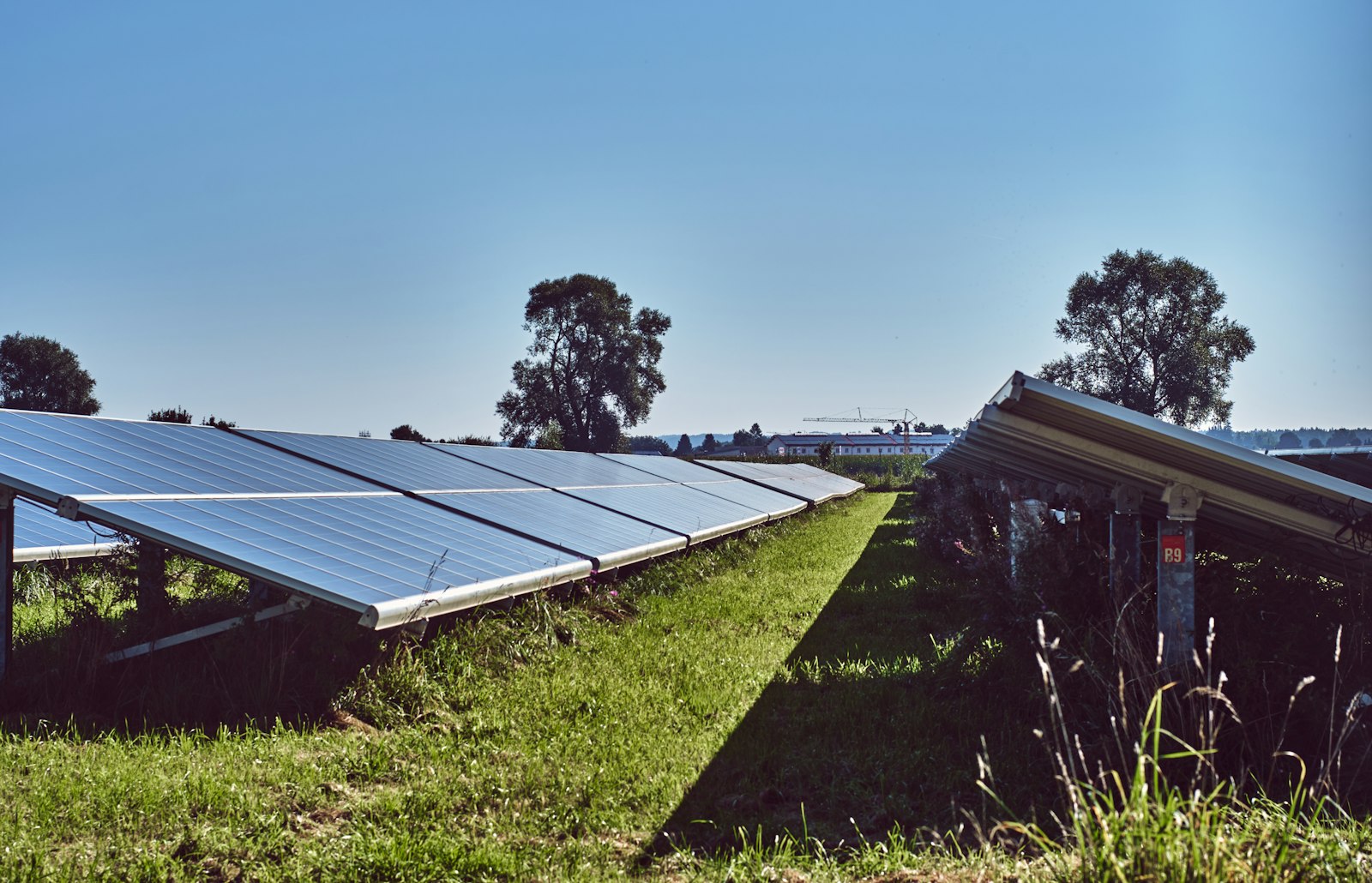
A new solar farm in Genesee County just delivered real Michigan school solar savings. It adds up to $18 million over the next 15 years, spread across 65 public school districts. That money will not go to a power company. It will go back into classrooms.
NorthStar Clean Energy built the 41-megawatt facility on 300 acres near Flint, in partnership with the Michigan Schools Energy Cooperative (MISEC). Officials cut the ribbon on August 26, 2026, as WNEM reported. The array will supply power to more than 350 schools across the state, from small rural districts to larger city systems.
How Michigan School Solar Savings Add Up
Schools spend a huge share of their budgets on electricity: lights, heating and cooling, computers, buses charging overnight. Take Ms. Ortiz, a fourth-grade teacher in one of the smaller Genesee County districts, who has spent the last two school years buying classroom supplies out of her own paycheck because the budget kept getting squeezed tighter. Every dollar a district saves on a power bill is a dollar it doesn’t have to cut elsewhere. That could be a classroom program, a teacher’s supply budget, or an after-school activity.
MISEC negotiated one bulk power agreement so individual districts do not have to build or manage their own solar arrays. Peter Spadafore, MISEC’s executive director, called the project the next step in helping schools manage energy costs and send dollars back to classrooms. Small and rural districts often lack the staff to negotiate their own energy contracts. Under this deal, they gain the same savings as the largest systems in the state.
Cleaner Power for Everyone on the Grid
The benefits reach beyond school budgets. A 41-megawatt solar array pushes cleaner electricity onto the regional grid. That cuts the need for power from coal and other higher-emission sources. Brian Hartmann, NorthStar’s president and CEO, put it simply: “The more renewable energy on the grid, the cleaner the grid is overall, and so it’s better for everybody.”
That is not just an environmental talking point. A cleaner grid means fewer pollutants in the air Genesee County families breathe every day. It also means more electricity capacity that doesn’t depend on volatile fuel prices. The project adds a curriculum piece for participating schools, too. Students get a chance to learn about renewable energy careers. That’s a real bridge between the panels in the field and the jobs they may one day fill.
What This Means for Michigan Families
For parents, the payoff is easy to picture. A school district with lower fixed costs has more room to fund what students actually need. For the wider community, it means one more slice of Michigan’s electricity supply comes from the sun instead of a smokestack.
Savings like these are not limited to Genesee County. In County Durham, England, the Longpasture Solar Farm will power 14,000 homes once it comes online. Community solar programs in New York are doing something similar: they’re cutting bills for renters who could never install panels of their own. Genesee County’s schools now join that growing list of everyday people feeling the difference a solar array makes on a bill.