
Nuclear Fission
Reactor design advances, safety milestones, fuel technology, and construction progress in nuclear fission power.
-
The 1,000-Mile Drive That Could Get Power to Disaster Zones Faster
Radiant’s Kaleidos reactor just survived a 1,000-mile truck trip intact, and its next test is a 150-hour run with nobody at the controls. That milestone stands between this design and a first delivery to a Space Force base in 2028.
-
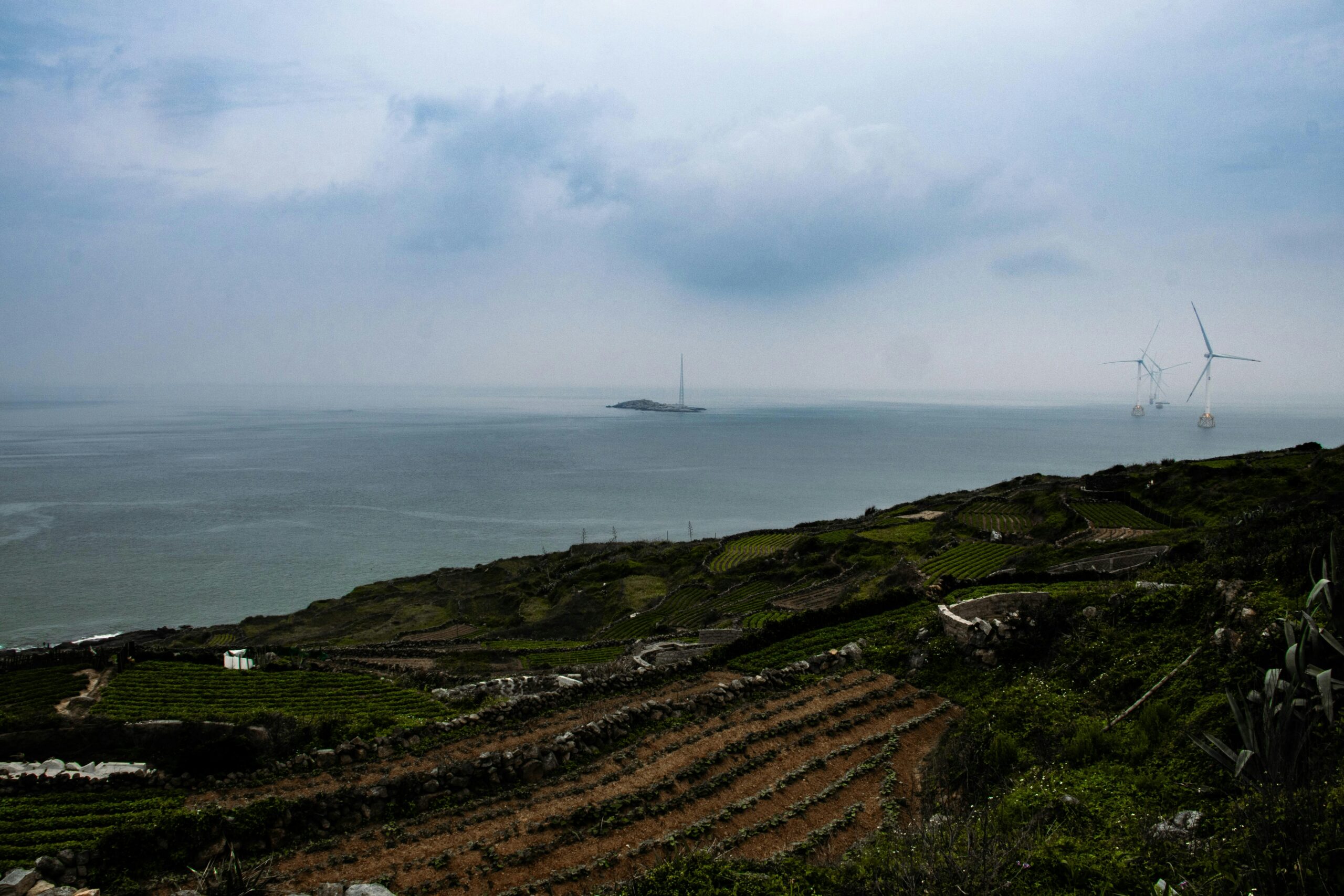
Haiyang 3 Just Passed the Test That Decides If a Reactor Is Ready
Haiyang 3 just cleared 53 test procedures across 308 chapters with zero fuel loaded, the toughest checkpoint before a reactor can go commercial. A clean pass hands China a repeatable playbook for the five more reactors planned at the same site.
-
The Component Deal That Makes Nuclear Act Like a Battery
A South Korean manufacturer just signed on to build the core components for a Wyoming reactor that can burst from 345 to 500 megawatts on demand, undercutting the priciest power of the year.
-
The State of Nuclear Fuel Supply in 2026
From enrichment capacity to TRISO manufacturing to reactor safety, four separate supply-chain deals this year are quietly deciding whether nuclear’s next decade of growth actually delivers on schedule.
-
The Fuel Deal That Lets a Truck-Sized Reactor Actually Ship
TRISO fuel wraps uranium in ceramic and carbon layers so tough that the material stays locked in under extreme heat. For years, a shortage of qualified producers, not engineering, was the industry’s real bottleneck.
-
The Fuel Swap That Could Upgrade Reactors Without a Single New Building
New irradiation data show ANEEL fuel samples exceeding 60 gigawatt-days per metric ton, nearly eight times what conventional uranium fuel manages in the same CANDU reactors, with no new reactor construction required.
-
The Uranium Plant That’s Nuclear Power’s Insurance Policy
Urenco USA has started building 2.1 million SWU of new uranium enrichment capacity in New Mexico, easing the fuel-supply bottleneck on fission deployment.
-
The Gravity-Fed Tank That Makes Zhangzhou 4 Safer
No pumps, no switches, no outside power needed: gravity alone can flood the reactor core in an emergency, the same failure point that turned a blackout into Fukushima’s 2011 meltdown.