
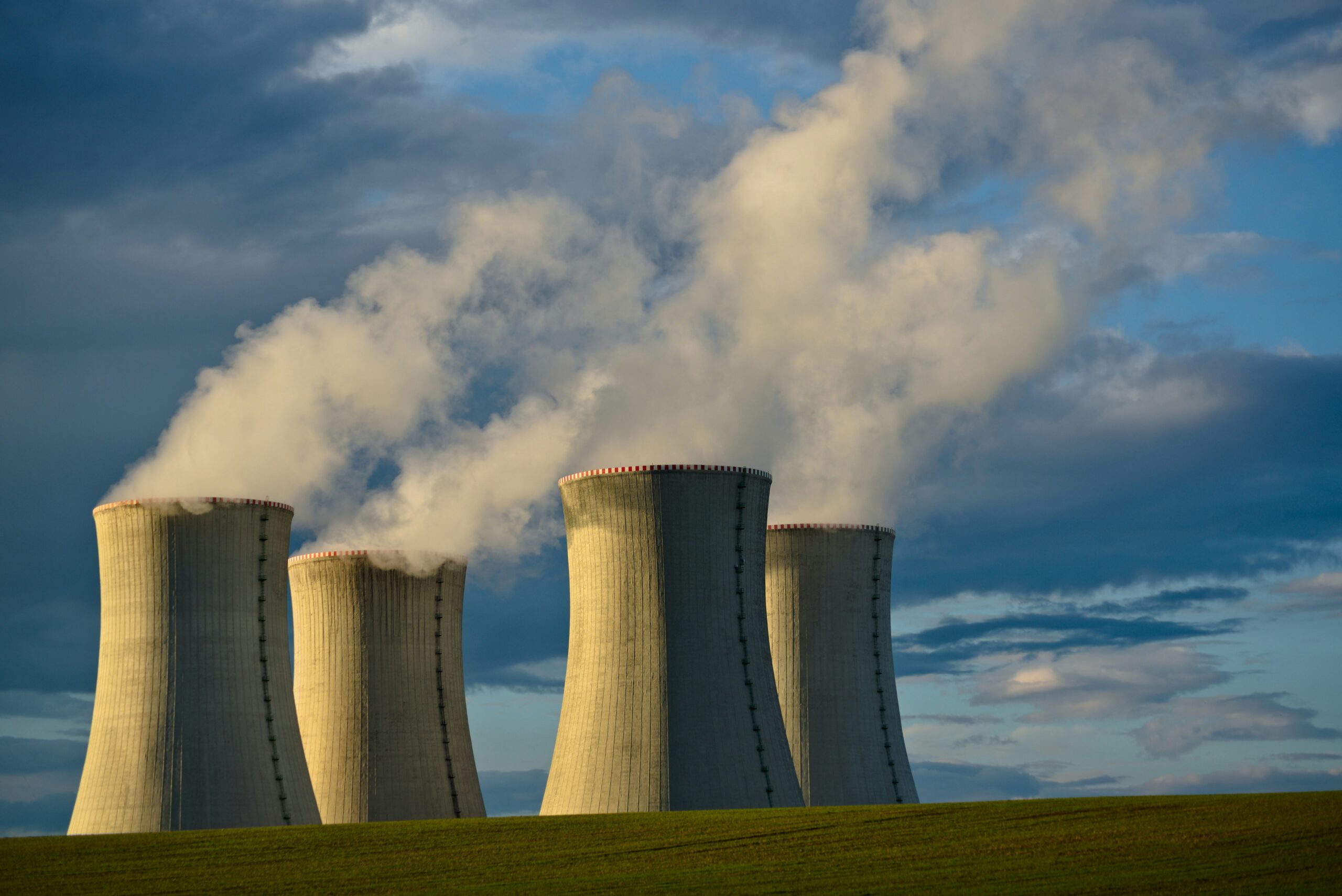
Ask any factory floor manager what keeps them up at night, and “will my power stay affordable” usually beats “will the lights turn on.” A groundbreaking in the New Mexico desert last month is aimed squarely at that first worry.
What Got Built in Eunice
On August 19, Urenco USA broke ground on an expansion of its National Enrichment Facility in Eunice, New Mexico, the uranium enrichment plant that anchors US domestic fuel supply. The project adds roughly 2.1 million separative work units, or SWU, a nearly 50% jump over the site’s current 4.3 million SWU of annual capacity. US Energy Secretary Chris Wright showed up for the ceremony, which World Nuclear News covered the same day.
SWU measures separation effort, not tonnage, but the plain-English version is simpler: uranium comes out of the ground at about 0.7% U-235, the isotope that actually sustains a reactor’s chain reaction. A commercial reactor needs that pushed to roughly 3% to 5%. Getting there takes thousands of centrifuges spinning around the clock, and that’s exactly the kind of capacity this uranium enrichment plant just committed to building.
Why This Is an Insurance Policy, Not Just an Expansion
Here’s the part that touches your electric bill even if you’ve never heard of Eunice. A US ban on Russian-enriched uranium imports takes full effect in January 2028. Right now, roughly a third of what US reactors need runs through this plant. Add domestic capacity, and utilities swap a fuel source exposed to geopolitics for one that isn’t.
That matters because nuclear fuel is normally the most stable, most boring line item in what it costs to run a reactor, usually 10 to 15% of total generation cost, compared to the wild swings gas plants pass straight through to customers. Keep that fuel domestic and price-stable, and nuclear stays one of the few power sources that doesn’t spike your bill when something goes wrong on the other side of the planet.
Urenco CEO Boris Schucht said customers requested this expansion and backed it with long-term contracts, which is what let the company raise its total investment at the site from more than $5 billion to more than $8 billion. Firm, decades-long offtake agreements are what let a utility lock in a fuel price instead of gambling on the spot market.
The Catch: This Doesn’t Fix Everything
New cascades from this expansion won’t start producing until 2032, with more coming online through 2036 (a separate, smaller 700,000 SWU project finishes sooner, in 2027). That’s a long runway. And it’s worth noting this capacity targets low-enriched uranium for today’s reactor fleet. Advanced designs like Radiant’s TRISO-fueled Kaleidos microreactor need HALEU, enriched to 5% to 20%, and that supply chain remains much thinner.
What to Watch Next
Construction at Eunice will support 300 to 600 jobs at its peak and about 70 permanent positions after that. Watch whether other enrichment projects follow with faster timelines, and whether HALEU capacity gets the same kind of investment. Retrofitting existing reactors with better fuel, like thorium ANEEL fuel, is one way to close that gap without waiting on new enrichment cascades at all.
Source: World Nuclear News: Urenco breaks ground for new enrichment capacity