
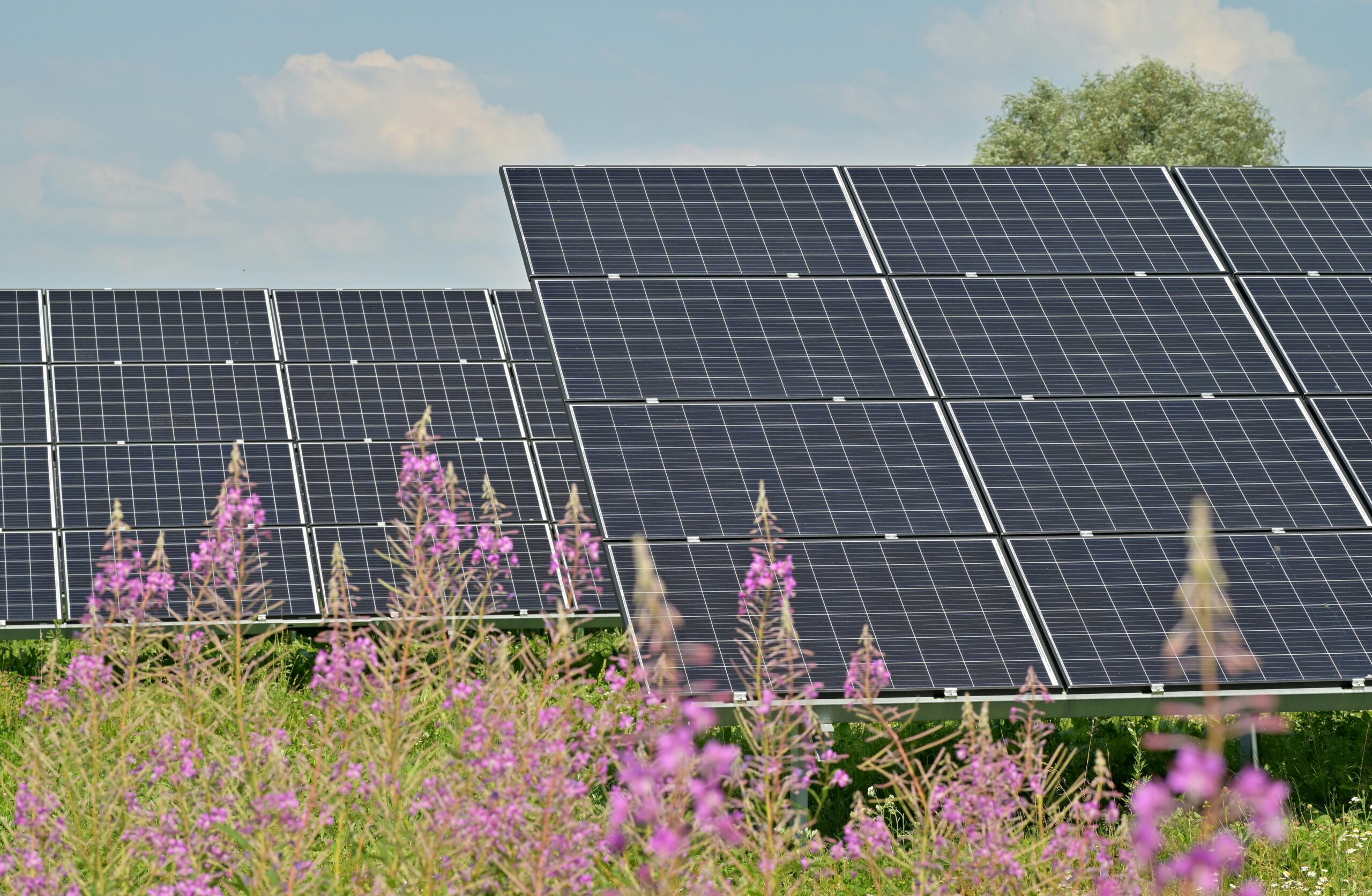
Five acres behind Hooksett’s public works yard sat empty for 26 years. Grass grew. Nobody built on it. Nobody could, because a capped landfill sits underneath. This month, that quiet patch of scrubland in New Hampshire became the ground for a brand-new Hooksett landfill solar array.
Town Administrator Andre Garron called it a “no-brainer.” Crews broke ground in September 2026 on a 1.34-megawatt solar farm. ReVision Energy is building it. Blue Haven Solar is financing it through a long-term power contract. The town pays nothing upfront. Over the life of the deal, Hooksett expects to save more than $10 million.
How the Hooksett Landfill Solar Deal Works
The array will carry 2,288 solar panels across five acres, mounted on gabion baskets so nothing pierces the landfill’s protective cap. Once it switches on in late summer 2027, it should generate more than 1.65 million kilowatt-hours of electricity every year. That’s roughly what 155 average New Hampshire homes use in a year, though this power goes to town buildings and schools instead.
Nobody had to raise taxes to pay for it. Under the power purchase agreement, Hooksett simply buys electricity from the array at a rate lower than what it currently pays its utility. The town can also buy the whole system outright after six years if the math keeps favoring it.
Why This Matters for Hooksett Families
Picture Maria, a Hooksett parent who shows up to school board budget meetings every spring, bracing for cuts. Rising electricity bills eat into the same funds that pay teachers and keep the heat on in classrooms. When a town’s utility costs drop, that pressure eases. More of the budget stays available for staff, buses, and after-school programs instead of vanishing into an electric bill.
This is not a one-town experiment, either. Neighboring Derry pulled off a similar landfill solar deal earlier this month, projecting $4 million to $10 million in savings over 25 years. Hooksett’s numbers land in a similar range, on a smaller array.
| Town | Developer | Array Size | Projected Savings |
|---|---|---|---|
| Derry, NH | Encore Renewable Energy | 2.25 MW | $4M to $10M over 25 years |
| Hooksett, NH | ReVision Energy | 1.34 MW | $10M+ over the contract’s life |
The Environmental Payoff
The array should cut about 720 metric tons of carbon dioxide every year. That is close to taking 155 gas-powered cars off the road for good. It does that without touching farmland, forest, or open space that could have been used for something else.
“Converting capped landfills to community solar just makes good financial and environmental sense,” says Mark Zankel, ReVision Energy’s Director of Community Solar.
ReVision Energy has now built solar arrays on 11 capped landfills across New Hampshire and Maine, with three more coming. Its earlier project in Jaffrey followed the same playbook: idle land, no upfront cost, real savings.
What to Watch Next
Hooksett’s array will not produce a single watt until late summer 2027. That’s the real test: the savings only prove out once the panels start running and the bills arrive lower. If they do, expect more New England towns to look at their own old landfills differently. Got a fenced-off lot in your town that nobody has touched in decades? It might be worth asking your select board whether a solar developer has ever called about it.
Source: Concord Monitor