
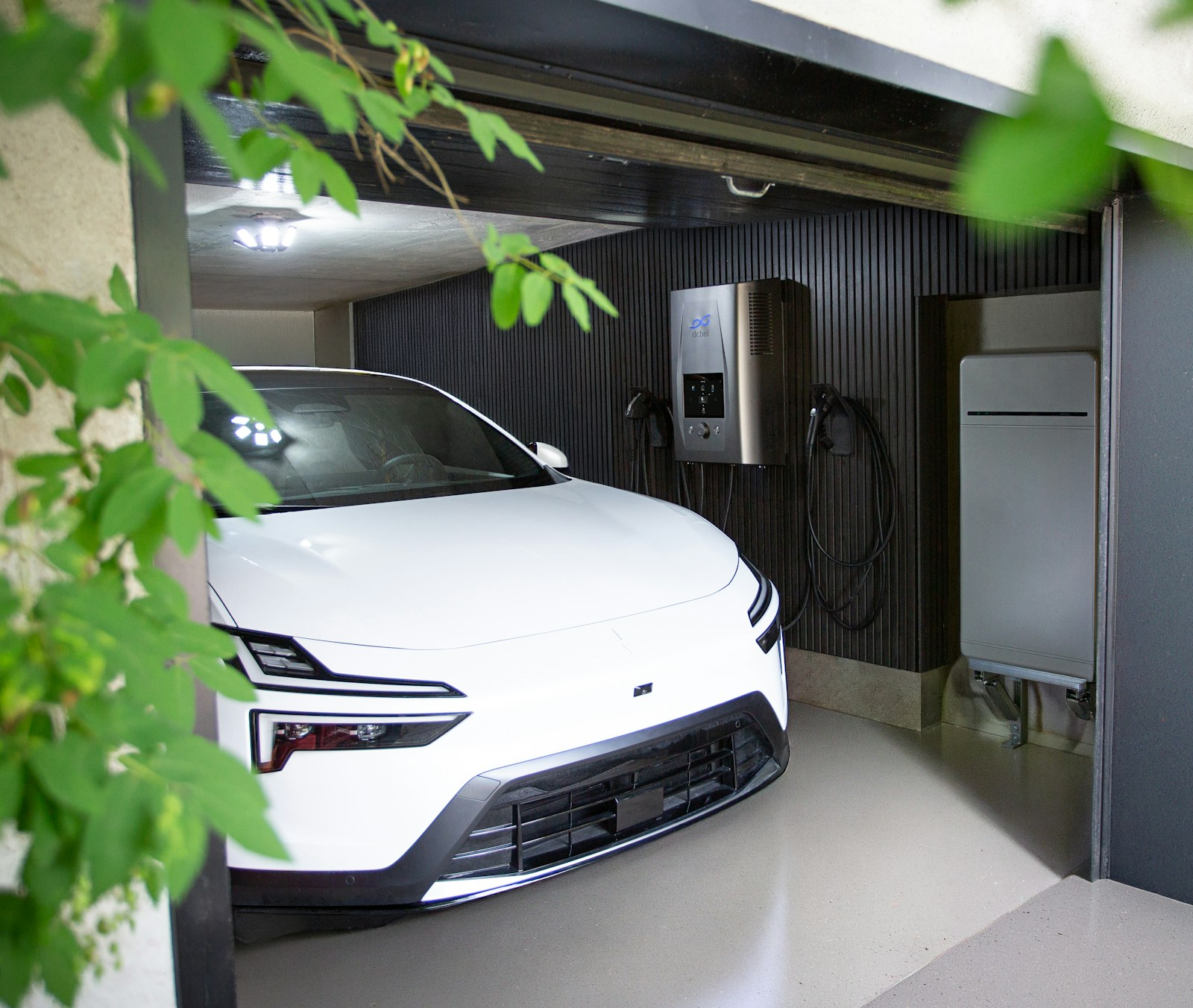
On September 9, 2026, during a California heat wave, home batteries sent a record 580 megawatts to the grid over a three-hour evening window, according to Electrek. More than 140,000 batteries took part. About 110,000 were Tesla Powerwalls that delivered 517 megawatts, and more than 30,000 batteries from other makers added 63 megawatts. Electrek calls it a record for a residential virtual power plant event, and no independent record was available to check that.
Why It Matters to You
If you own a home battery in California, programs like this pay owners for power sent back, though Electrek gives no rates. Owners usually enroll through their battery maker or installer, such as Tesla or Sunrun. Everyone else may benefit indirectly if batteries cut system costs, but the savings figure is a projection, not a lower bill.
How the dispatch worked
Two state programs drove the event. The California Energy Commission’s Demand Side Grid Support program, known as DSGS, triggers automatically when the day-ahead price tops $200 per megawatt-hour. The California Public Utilities Commission’s Emergency Load Reduction Program, known as ELRP, lets utilities call events directly as a heat wave peaks. Electrek says both were in play on September 9. A second dispatch of more than 140 megawatts followed on September 10 at Southern California Edison’s request.
Tesla and Sunrun run large battery fleets in these programs. Sunrun says it owns or operates 55% of the batteries, though Electrek’s wording leaves unclear whether that share refers to the Powerwalls or the whole fleet. Sunrun CEO Mary Powell said, “Sunrun’s distributed home batteries are operating at a scale larger than many peaker power plants combined.” A newer law, SB 913, aims to change how regulators value customer batteries over the long term. The September 9 event ran under existing programs.
The $206 million figure, and what it isn’t
The savings number comes from a Brattle Group analysis that Sunrun and Tesla Energy commissioned, as Utility Dive reported on August 20, 2025. Brattle estimated that DSGS could provide net system cost savings of $28 million to $206 million between 2025 and 2028. The $206 million is the top of that range, assumes the program continues and grows, and is a system-wide estimate rather than a promise of a lower bill. Utility Dive also reported in 2025 that the state budget cut $18 million from DSGS and that advocates warned it could run out of money, and 2026 funding is unconfirmed. Electrek says 580 megawatts could power every household in Sacramento County at peak, but no calculation backs that. The figures here rest on Electrek, which cites the companies, and no California Energy Commission statement turned up.
Quick answers
Did this save ratepayers $206 million?
No. $206 million is a 2025 projection for the top of a range through 2028, not a measured result.
Should I join, and will my battery still back up my home?
Before you agree, ask what the program pays per kilowatt-hour, how many events it may call each year, and whether it leaves a reserve in the battery for outages. The sources don’t say how these events handle backup reserves.
Sources
- Electrek: Tesla and Sunrun’s VPP Dispatch Record 580 MW to California Grid (Sep 21, 2026)
- Utility Dive: California’s Virtual Power Plant Could Save $206M by 2028 (Aug 20, 2025)
- Canary Media: Newsom says yes to virtual power plants (Oct 1, 2026)