
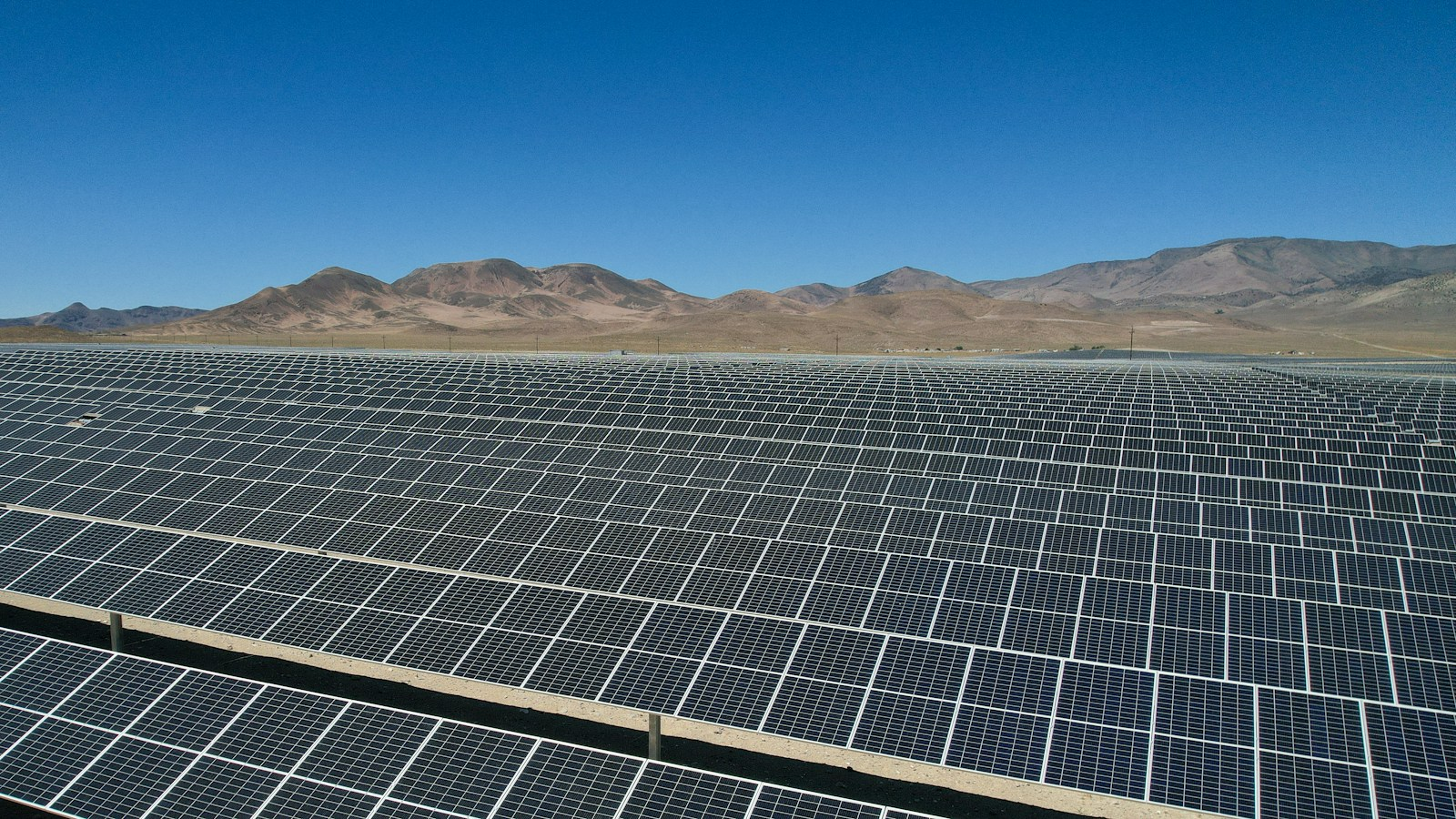
- The US installed a record 20.2 GWh of battery storage in Q2 2026.
- First-half installs hit 30.8 GWh, up 23% from a year earlier.
- Arizona led with 6.2 GWh, ahead of Texas (3.8) and California (3.6).
- Home batteries went the other way: residential installs fell 27%.
The numbers come from the US Energy Storage Market Outlook, published by the Solar Energy Industries Association (SEIA) and Benchmark Mineral Intelligence, as reported by Electrek on August 31, 2026.
Where the batteries went
Utility-scale projects made up about 18 gigawatt-hours of the quarter, and 44% of that was paired with solar while 56% stood alone. Seven projects at gigawatt-hour scale came online: four in Arizona, two in California and one in Utah. Commercial and industrial systems added about 1.8 gigawatt-hours. Residential installs came to 657 megawatt-hours, down 27% year over year. The report ties that drop partly to the end of the federal 25D tax credit and partly to installs pulled forward into 2025. It gives no other causes.
Benchmark points to strong project pipelines in Arizona, Nevada, Oregon and Colorado, among other states. It expects about 71 gigawatt-hours installed in 2026, roughly 20% above 2025, and raised its forecast through 2030 by 11.5% to 683 gigawatt-hours.
What a grid battery does
Batteries soak up power when it is plentiful, often from midday solar, and release it in the evening when demand peaks. That can cut the need to run costly peaking plants. Texas is a recent example, covered in our look at ERCOT’s record battery output.
Gigawatt-hours measure stored energy, not power output. A battery’s output in megawatts and its storage in megawatt-hours are different things, and the article gives no project names or sizes.
Why It Matters to You
Grid batteries mostly work in the background, so you won’t buy one of these. If you live in a state with fast-growing storage, such as Arizona, Texas or California, the benefit is a grid that can lean on stored solar power in the evening. Whether that shows up on your bill depends on your utility’s rates and rules. SEIA’s chief executive says storage “puts downward pressure on electricity bills,” but the report we read puts no dollar figure on it. Home batteries are still on sale, though installs fell this quarter.
What the report doesn’t tell us
- No bill savings are measured. The report covers installed capacity, not what households pay.
- Electrek says batteries supplied more electricity to the grid in the first eight months of 2026 than in all of 2025. That figure isn’t traced to a primary dataset.
- Electrek also says Tesla brought its third Megafactory online in Texas, with 50 GWh of annual Megapack capacity. That claim isn’t checked against Tesla.
- The forecast is 683 GWh through 2030, with no multiple of today’s level given.
- The underlying report wasn’t available to us, so every figure comes through Electrek’s summary.
Quick answers
Will this lower my electric bill?
Possibly, but the report doesn’t say by how much. Savings depend on your utility’s rates, your state’s market rules and how storage is used.
Does storage reduce blackouts?
Batteries can supply power when solar fades, but this report didn’t measure outages. The Texas post linked above shows one case of reliability, with limits.
Why did home battery installs drop?
The report points to the removal of the federal 25D credit and to installs pulled forward into 2025.