
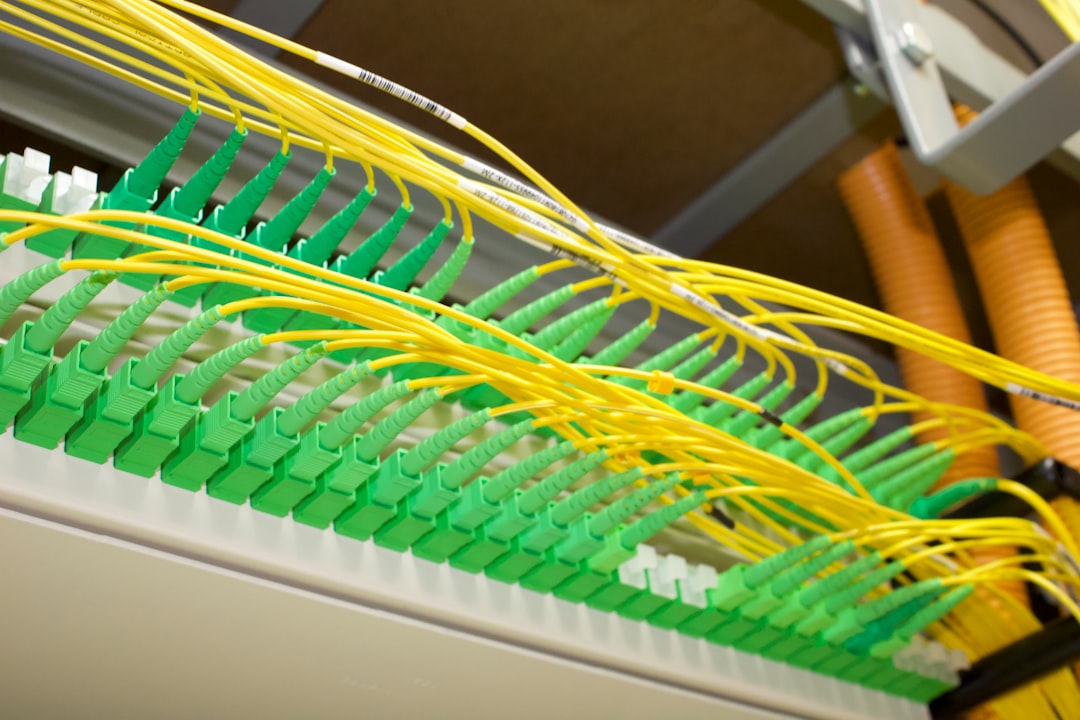
On August 13, 2026, the California Public Utilities Commission (CPUC) announced it had approved nearly $32 million in grants from the California Advanced Services Fund (CASF). The money is split three ways. Some of it pays for fiber in rural counties. Some pays to put free broadband into affordable housing complexes. The rest funds programs that teach digital skills and help households sign up for affordable plans. Nobody has dug a trench yet, though. These are approvals, and the fiber is not built.
The biggest piece, up to $24 million, comes from the CASF Broadband Infrastructure Grant Account. It funds three fiber projects by Frontier California Inc. that the CPUC says will serve 590 unserved homes in Fresno, Merced, Plumas, and Tulare counties. The Plumas County project is tied to recovery from the Dixie Fire.
| Project | Up to | Locations | Source |
|---|---|---|---|
| Merced Dos Palos (Fresno and Merced counties) | $14.8 million | 289 | CPUC |
| Plumas Greenville (Plumas County) | $3.45 million | 187 | CPUC |
| Tulare Central (Tulare County) | $5.75 million | 114 | CPUC |
A second grant, up to $595,911 from the CASF Broadband Public Housing Account, pays to install Wi-Fi and broadband infrastructure at four affordable housing developments with 315 residential units. Residents get free service at speeds of at least 100 Mbps download and 20 Mbps upload. The developments are Maple Meadows I in Chowchilla, La Vista Apartments in Concord, River Glen in Livingston, and Mariposa Townhomes in Orcutt.
These are CPUC approvals of “up to” amounts. The release does not say when construction starts or ends, so no home is connected yet because of this vote.
The third piece, up to $7.26 million from the CASF Broadband Adoption Account, funds ten projects. Eight are digital literacy programs the CPUC says will train more than 2,600 participants. Two are statewide call centers that the CPUC says will help more than 29,000 households connect to affordable broadband. The CPUC’s top-line figure is “nearly $32 million,” and the three grant accounts add up to about $31.9 million.
Why It Matters to You
If you live in one of the four named housing developments, the plan is free internet at 100 Mbps down and 20 Mbps up, though no start date has been given. If you are in a funded county, ask the named provider or your county broadband contact whether your address is covered, since the release lists project names and counties, not street addresses. Anywhere in California, the funded call centers and training programs are aimed at helping households get on affordable plans, but the release gives targets, not results.
What we can’t tell from the release
- No construction dates are given, so the timing of any new connection is unknown.
- The 590 fiber locations are small next to the 2,600 trainees and 29,000 households in the adoption programs. Most of the people reached would be served by training and sign-up help, not new cable.
- The 2,600 and 29,000 figures are targets the CPUC reports for funded projects. They are not results.
- The release does not say how many of the 315 housing units currently pay for internet, so we can’t say how much renters will save.
- No monthly prices are given for any service, so there is no sourced cost comparison.
- The grants come from the California Advanced Services Fund, which the CPUC administers. The release does not break out the fund’s revenue sources.
Quick answers
Is the fiber already built?
No. The CPUC approved grants to Frontier California Inc. for three projects, and the release gives no construction dates.
Do residents at the housing developments pay anything?
The CPUC says residents will receive free service, at minimum speeds of 100 Mbps down and 20 Mbps up.
Sources
- CPUC: CPUC Approves Nearly $32 Million to Expand Broadband Access, Digital Skills, and No-Cost Internet for Californians (Aug 13, 2026)