
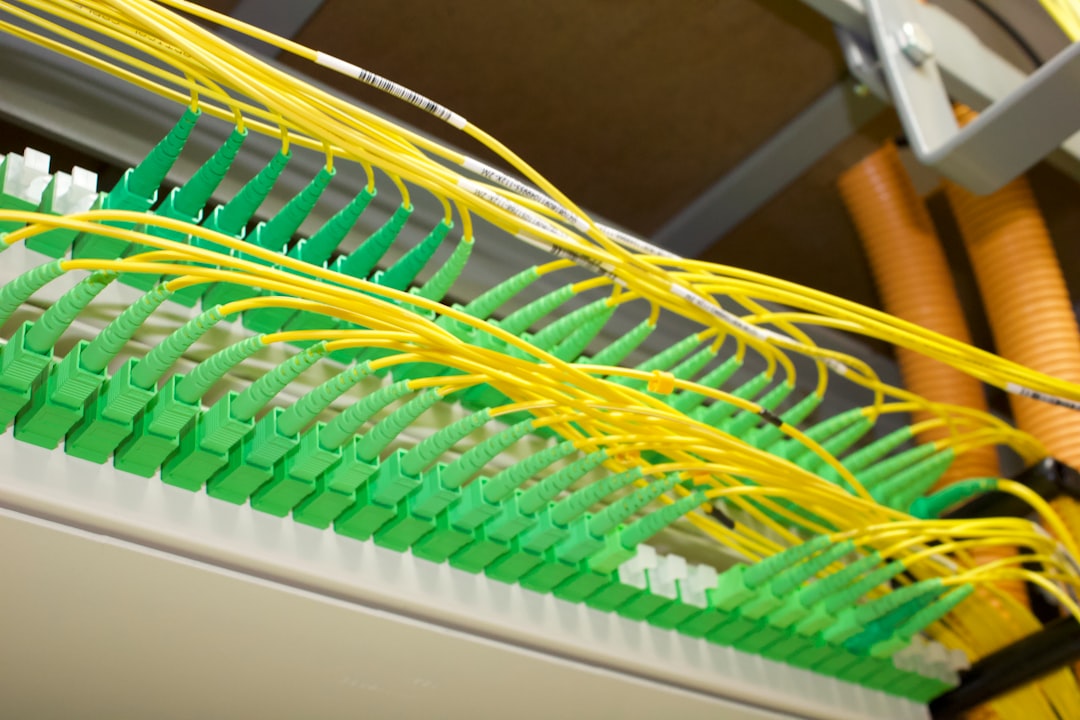
On September 10, 2026, West Virginia officials joined Armstrong in Hamlin, Lincoln County, to announce a broadband build backed by $100 million in public and private investment. Armstrong president Jeff Ross said the company is constructing more than 500 miles of fiber across 10 counties. Gov. Patrick Morrisey, Sen. Shelley Moore Capito, and FCC Commissioner Olivia Trusty attended. West Virginia broadband director Kelly Workman called Armstrong the largest cable and internet company with a corporate headquarters in Appalachia.
Three funding programs at three stages
The $100 million draws on three programs: the federal Broadband Equity, Access, and Deployment (BEAD) program, the state’s Line Extension Advancement and Development (LEAD) program, and the FCC’s Enhanced Alternative Connect America Cost Model (E-ACAM). The report doesn’t say how much comes from each or how much is private money.
The projects sit at different stages. Armstrong has “substantially completed” its LEAD projects. E-ACAM projects are in progress. BEAD groundbreaking is expected “soon,” and no completion date was given for the whole effort. The report doesn’t name the 10 counties.
Morrisey said the state’s terrain makes these connections difficult: houses far apart on hilly roads cost more to reach per customer than a town grid. Capito said broadband matters for emergency response because the state is prone to floods, and she also noted spotty phone service. Those are officials’ statements about why connectivity matters, not measured results from this build.
What holds up and what doesn’t yet
| Works well | Be careful |
|---|---|
| Armstrong has “substantially completed” its LEAD projects. | BEAD work has not started, so much of the 500 miles is not yet built or serving customers. |
| E-ACAM work is underway. | The $100 million is an announced figure, not broken down by program or by public and private share. |
| Armstrong says the fiber will reach 5,000 homes and small businesses. | Morrisey estimates about 10,000 will benefit. The two numbers measure different things, and the report doesn’t explain the gap. |
| Statewide, 22,592 of 42,496 locations have been served, with 45 active projects (Broadband Enhancement Council meeting the day before). | That is the council engineering partner’s count, not Armstrong’s. The announcement also gives no speeds or prices. |
So there is real construction behind the announcement, but the headline numbers are promises more than results. Treat the 500 miles as a plan in progress and the home counts as estimates from two different sources.
Why It Matters to You
If you live or run a small business in one of the 10 counties, this build is meant to bring fiber to your area, with Armstrong counting 5,000 homes and small businesses and the governor estimating 10,000 beneficiaries. Some work is done and some hasn’t started, and no completion date, speeds, or prices have been given. Your own address may not be covered. Contact Armstrong or the West Virginia broadband office, since the counties and addresses were not published in the report.
Quick answers
Why do the home counts differ? Armstrong cites 5,000 homes and small businesses it will reach directly. The governor’s office estimates 10,000 beneficiaries. The report does not reconcile them.
Is the fiber finished? Partly. LEAD projects are substantially complete and E-ACAM work is underway. BEAD construction has not started.
How can I check my address? Contact Armstrong or the West Virginia broadband office. The counties and addresses were not published in the report.
Sources
- WV MetroNews: Internet service coming to estimated 10,000 rural West Virginia homes, businesses with broadband expansion (Sep 10, 2026)