
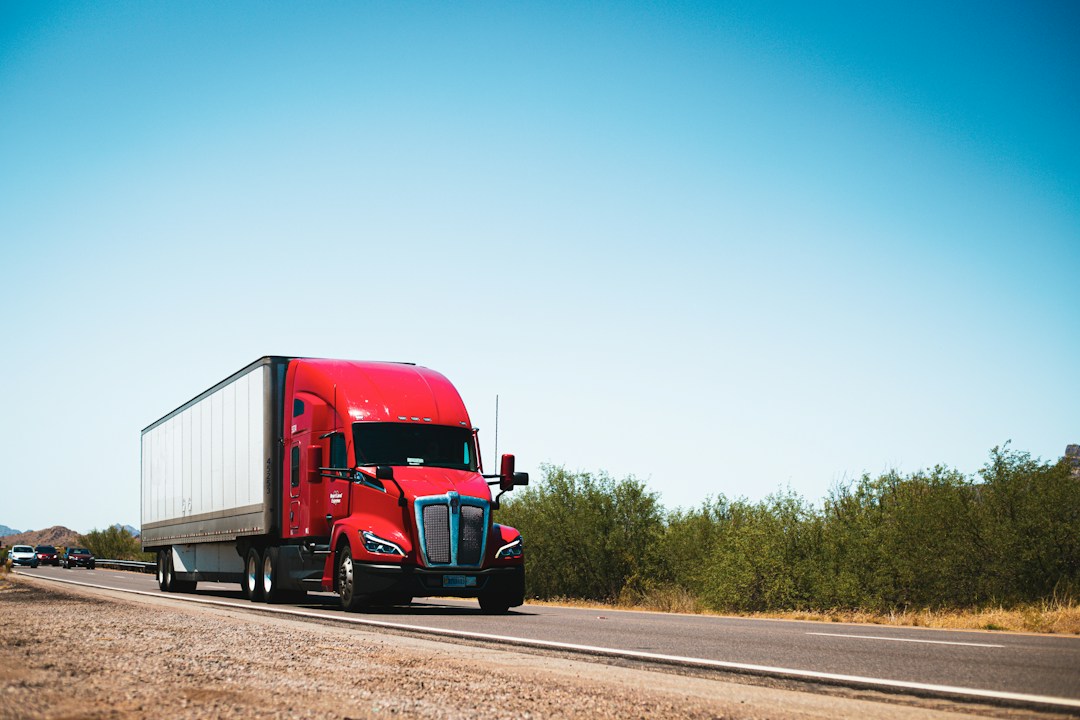
A box truck rolled out of a Lidl distribution center in Germany last week with no one behind the wheel. There was no wheel to sit behind, either. Built by the Swedish company Einride, the cab-less autonomous truck drove itself along public roads to a nearby Lidl store and helped restock the shelves, the same job a human-driven truck has always done, minus the human.
Germany’s Federal Motor Transport Authority, the KBA, granted the permit that made this run legal, marking the country’s first cab-less autonomous truck cleared for daily operation on public roads. That single approval matters more than it sounds. It means shoppers in one German town now depend, at least in part, on a truck that has no driver’s seat to fall back on.
Why This Cab-Less Autonomous Truck Matters to Shoppers
Grocery delivery runs on razor-thin timing. A late truck means empty shelves, and empty shelves mean higher prices or a wasted trip to the store. Lidl’s logistics team says the goal is simple: keep goods flowing so shoppers can count on finding what they came for. Thomas Dangelmayer, who heads operational logistics at Lidl, put it plainly, saying efficiency is what keeps product availability reliable day after day.
That reliability problem is not unique to Germany. Trucking companies across Europe and the United States have struggled for years to find enough drivers willing to take long, often lonely routes. Fewer drivers means slower deliveries and, eventually, thinner shelves. Gatik has already shown what happens when autonomous trucks fill that gap in the United States, keeping grocery shelves stocked on routes that human drivers kept falling behind on. Einride’s truck brings that same fix to a German supply chain that badly needs it.
Regulators Set a High Bar Before Letting This Truck Loose
Germany did not hand out this permit lightly. Regulators required extensive safety validation before allowing a vehicle with no human override option anywhere near public roads, and German road safety rules rank among the strictest in the world. That caution mirrors what happened in China, where Inceptio’s self-driving trucks had to cross a billion kilometers of real driving before regulators trusted them with everyday cargo. The pattern is the same everywhere this technology moves from testing lot to public road: prove it works at scale first, then let it near ordinary people’s deliveries.
A Small Fix With Room to Grow
Right now, Einride’s truck runs a single route between one warehouse and one store. Einride’s leadership has already said it plans to expand toward a multi-stop model, which would let one cab-less truck serve several stores instead of just one. Multiply that across a country where driver shortages ripple into every supermarket aisle, and the appeal becomes obvious: more reliable deliveries, steadier prices, and fewer of those frustrating moments when a shopper reaches for something that simply is not there.
None of this promises a driverless future overnight. But for the families and retirees doing their weekly shop at a Lidl near this new route, the practical effect is refreshingly ordinary: the truck shows up, the shelves get filled, and nobody had to wonder whether a driver would make it in on time. Read the original coverage from Tech.eu for more on the rollout.