
Picture a nurse named Priya finishing a night shift at a two-bed clinic on Canada’s northern coast. The lights flicker. The diesel generator that powers her building hiccups again, the way it does most winters when fuel barges run late. For thousands of people living off the main power grid, that flicker isn’t a rare event. It’s a weekly worry.
A new project in Belledune, New Brunswick, aims to end that worry for good. Prodigy Clean Energy, working with the Pabineau and Eel River Bar First Nations, just picked a BWXT BANR microreactor to power a floating nuclear plant. World Nuclear News reported the pick on October 6. This isn’t just another plant on a bigger grid.
How the BWXT BANR Microreactor Ships by Barge
BWXT’s BANR is a high-temperature, gas-cooled reactor that runs on TRISO fuel, the same meltdown-resistant ceramic pellets we covered when TRISO fuel testing cleared its own hurdles earlier this year. Instead of pumps, it relies on natural convection to carry away heat if something goes wrong. No power, no pumps, no problem.
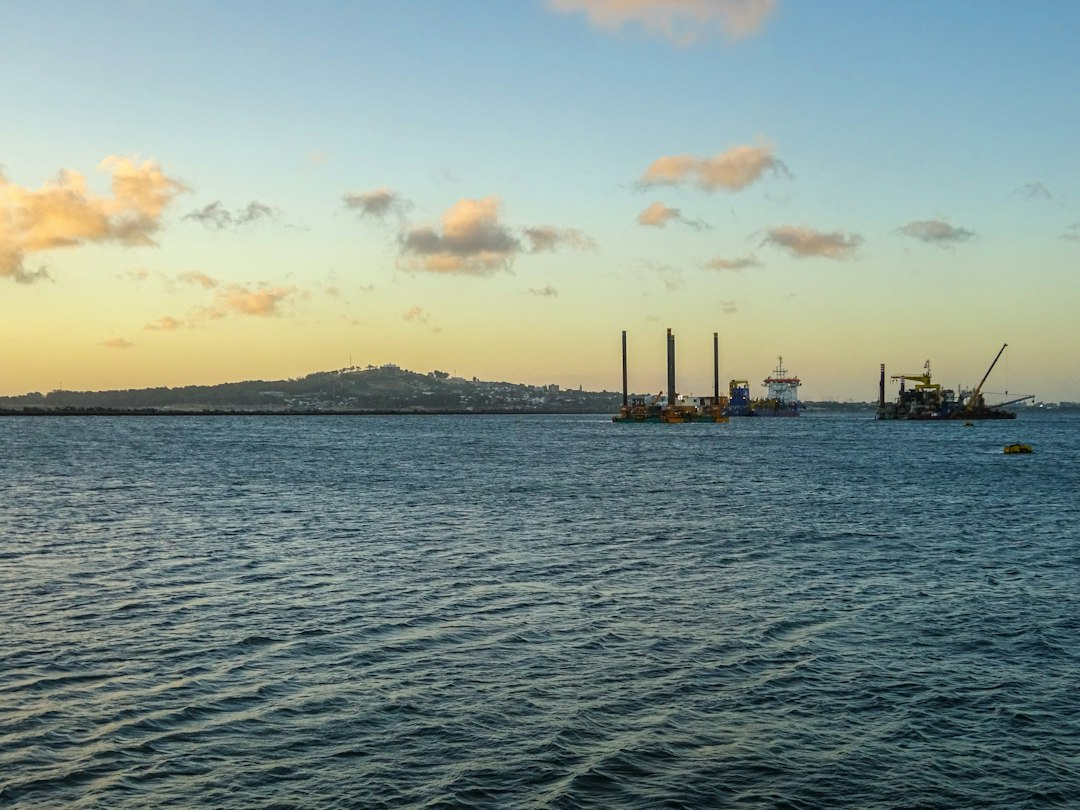
The plant itself is the real trick. Builders assemble the whole thing in a factory, load it onto a vessel, and float it to a shoreline site. When it’s done producing power decades from now, tugboats haul it away for decommissioning, leaving nothing permanent behind. Quick specs worth knowing:
- Two BANR units, 22 megawatts of electricity each, enough combined output for roughly 40,000 homes
- Passive, pump-free cooling built into the reactor design
- Built off-site and delivered fully assembled, with about 18 months to install and commission
- Targeted to start supplying power in the early 2030s
Why a Diesel Town Should Care
Here’s the part that matters to Priya and people like her. Remote communities burn diesel because nothing else reaches them reliably. Ottawa reportedly spends more than $2 billion a year subsidizing that power, according to figures reported by the Globe and Mail. That money could stay in government coffers if a factory-built reactor floats in instead of a fuel truck driving in.
Prodigy CEO Mathias Trojer frames Belledune as proof that a transportable reactor fleet can work, calling it a realistic path toward the G7’s first commercial deployment of the technology.
For a clinic like Priya’s, or a family running a small fishing operation nearby, that shift means fewer blackouts during a blizzard and fewer anxious calls about whether the next fuel barge made it through the ice. It also means jobs now: Prodigy and BWXT expect more than 150 positions during construction and roughly 40 permanent ones once the plant runs.
The Catch: Fuel, Ownership, and Skeptics
TRISO fuel needs HALEU, uranium enriched to about 20 percent, and almost none of it is made outside Russia and China today. BWXT will likely need U.S. suppliers instead, a gap we mapped out in our rundown of the state of nuclear fuel supply in 2026. Every microreactor project is racing against that same bottleneck.
There’s real skepticism too. Nuclear analyst Mycle Schneider argues that a market for remote reactors is unlikely to materialize, since the electricity would cost too much. Prodigy disagrees. The Pabineau and Eel River Bar First Nations would hold majority ownership, making this the first Indigenous-led nuclear project in Canada. Nothing is signed yet: BWXT and Prodigy are still negotiating a final agreement, and regulators haven’t opened a formal review.
Watch for two things next: whether BWXT and Prodigy lock in a binding contract before 2027, and whether the Canadian Nuclear Safety Commission opens a formal review. If both happen, Priya’s generator might finally get some competition.
Related Reading
- TRISO Fuel Testing Aims to Make Small Reactors Meltdown-Proof
- The Tennessee Factory That Might Matter More Than the Reactor It Feeds
- The State of Nuclear Fuel Supply in 2026
- World Nuclear News: BWXT’s BANR microreactor selected for Canadian project
- Interesting Engineering: US microreactors could power Canada’s first transportable plant