
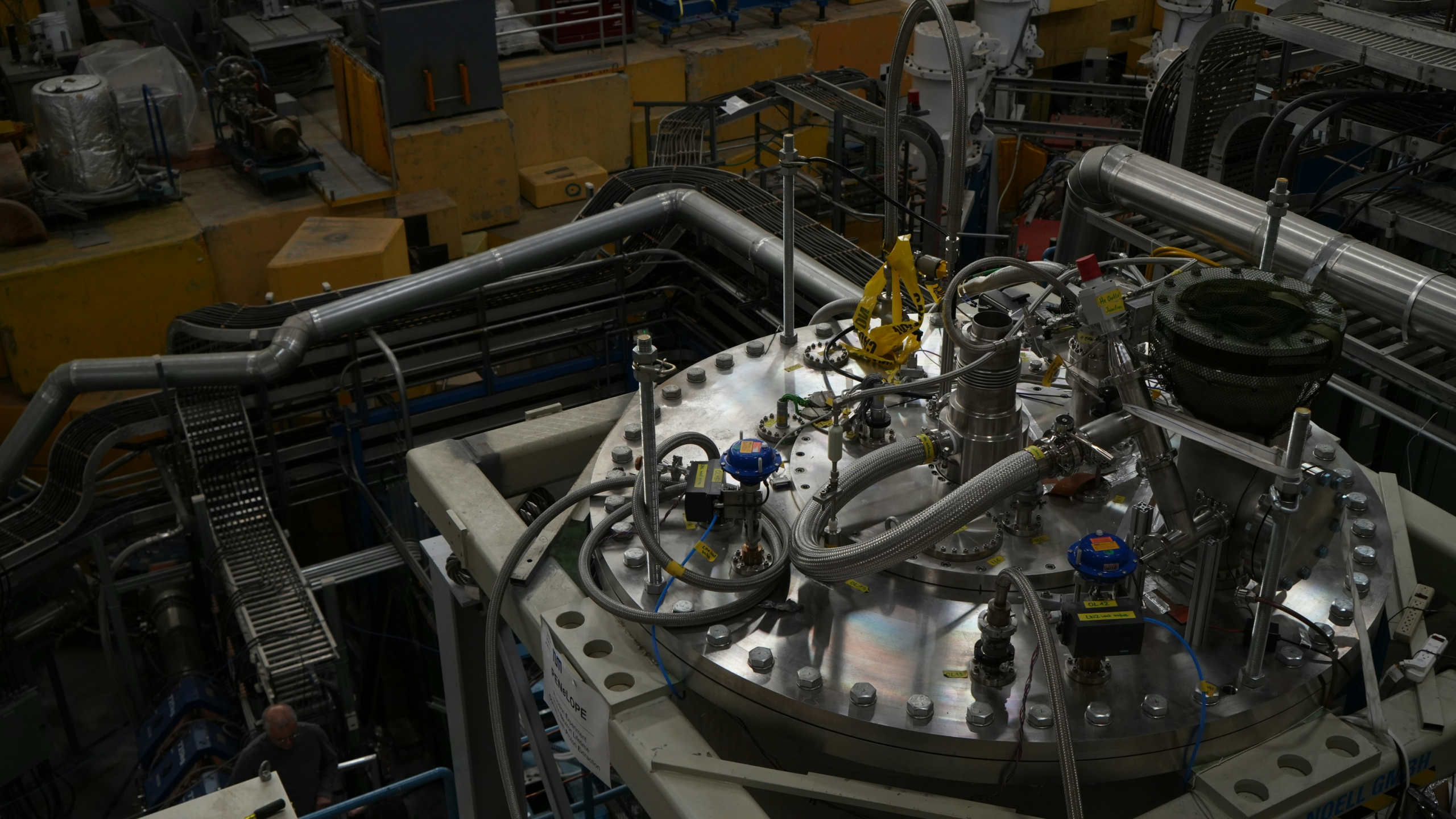
Picture a diesel generator thumping outside a fish plant in rural Alaska. Diesel drums come in by truck or prop plane all winter, and electricity there can cost three or four times what people in Seattle pay. That is exactly the kind of place a new round of TRISO fuel testing in Idaho hopes to reach.
This month, engineers at Idaho National Laboratory started testing a fresh batch of next-generation nuclear fuel. Three companies sent samples into the lab’s Advanced Test Reactor: X-energy, BWX Technologies, and Radiant. Each is racing to build a compact reactor meant to go places a full-size power plant never could.
Why This TRISO Fuel Testing Matters
TRISO stands for tri-structural isotropic fuel. Each particle is smaller than a poppy seed. Ceramic and carbon layers wrap around it like a tiny containment vessel of its own. One INL engineer put it simply.
Fission products can be contained at extraordinarily high temperatures, much higher than the melting point of steel.
That fact removes the physics behind a meltdown. Fuel that cannot get hot enough to fail skips the massive containment dome and backup systems a normal plant needs. The reactor shrinks. Construction gets cheaper. A small utility can finally afford one.
Three Companies, One Fuel Family
This test round covers several fuel recipes:
- X-energy’s XPeRT experiment tests near-full-size pebble fuel for its Xe-100 reactor.
- BWXT’s BANR tests compare uranium nitride and uranium oxycarbide forms under stress.
- Radiant’s RAFT experiment checks HALEU TRISO fuel for its portable Kaleidos microreactor, built to ship on a flatbed truck.
Uranium nitride fuel runs 20 to 25 percent denser than the oxycarbide version. Denser fuel means a reactor can run longer between refueling, or pack more power into a smaller core. Either way, that adds up to fewer shutdowns and less fuel handling over the plant’s life.
What This Means for Your Power Bill
Off-grid communities do not pay grid rates. They pay for every gallon barged or flown in, plus generator upkeep. A safer, denser fuel changes that math. It lets a company like Radiant promise a reactor small enough to sit behind that same fish plant, running for years without a single fuel truck.
The federal government is betting on this shift too. The Agriculture Department just opened a 175 million dollar funding round for rural electric cooperatives, and part of it is earmarked for nuclear power instead of diesel or costly new transmission lines. A co-op manager in Montana could realistically apply.
Picture Renata, who runs a small co-op in the Montana panhandle. Every winter she calls vendors, begging for one more diesel delivery before the passes ice over. A reactor built on this fuel would not need a delivery for years at a stretch. That is why she reads every nuclear fuel headline that crosses her desk.
Idaho is not the only place chasing better fuel chemistry. A molten salt fuel project with KAERI is testing a different approach, and the wider nuclear fuel supply chain is racing to keep up with all these new designs.
Still Years Away, But the Timeline Just Got Shorter
None of this fuel is licensed for a commercial reactor yet. INL still has to run post-irradiation exams and accident-scenario tests, a process that likely stretches into 2027 and beyond.
Related work is already moving. World Nuclear News reported that Radiant’s Kaleidos fuel shipment cleared a separate hurdle at INL’s DOME facility this summer, and Centrus Energy signed a supply deal to keep HALEU flowing for Radiant’s future cores.
Here’s a look at the portable microreactor this fuel is designed for:
Here is what to watch next. Check whether your local utility or co-op applies for that USDA funding round, and ask what fuel technology backs their pitch. The fuel sitting in a test reactor in Idaho today could be the reactor in someone’s backyard five years from now.