
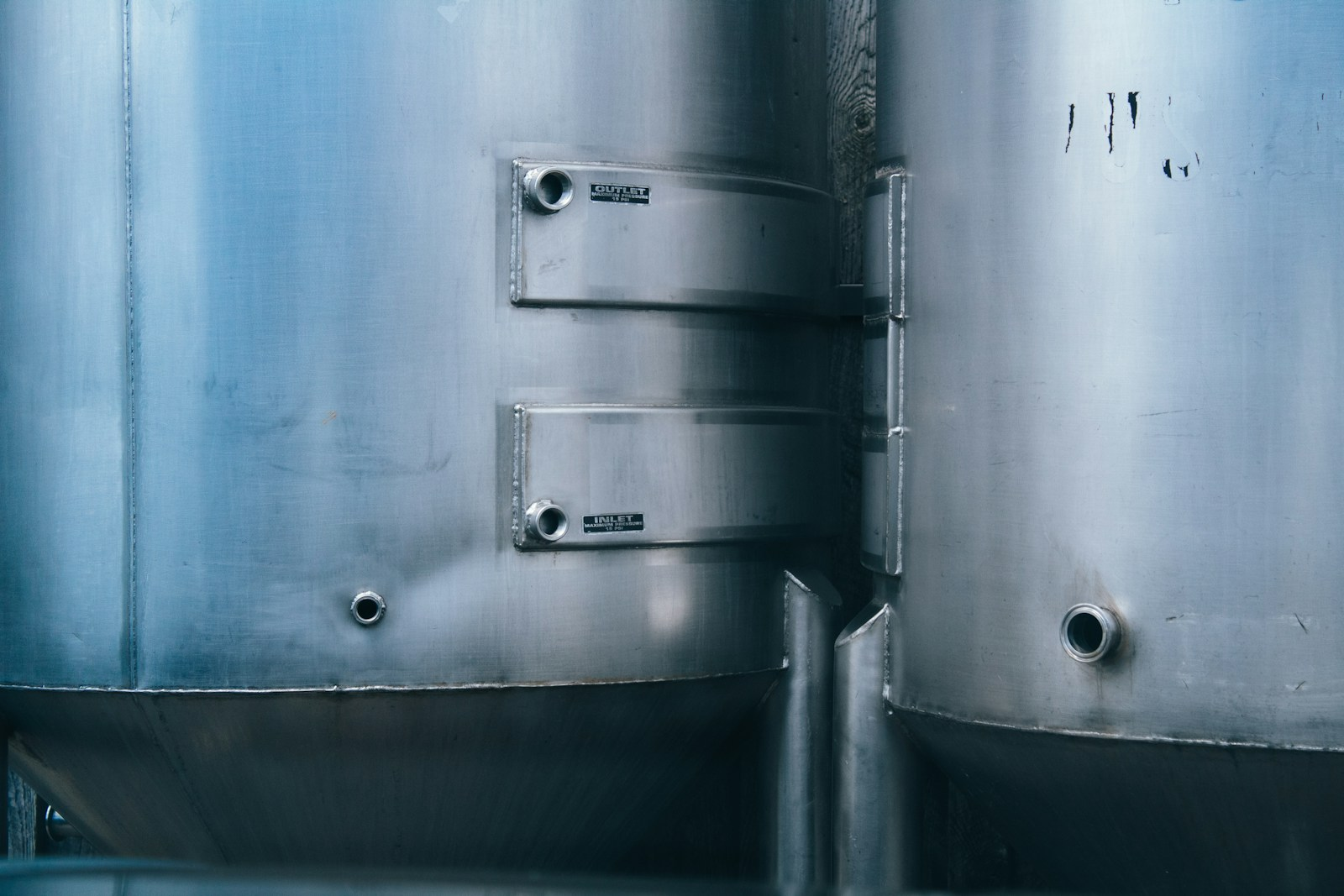
Rosatom has installed two steam separator-superheaters in the turbine hall of BREST-OD-300, a lead-cooled fast reactor under construction at the Siberian Chemical Combine in Seversk, Tomsk region, Russia. World Nuclear News reported the milestone on October 7, 2026. Each unit is 16 meters tall and weighs 95 tonnes.
What’s new
- Two separator-superheaters are now in the turbine hall.
- Rosatom says the foundation for the turbine and generator will be finished by the end of 2026, which would allow turbine installation to begin.
What isn’t confirmed
- The original target was operation in 2026. World Nuclear News gives no revised startup date, and with the turbine not yet installed, that target is in doubt.
- No core has been loaded and no fuel is in.
- The article gives no cost.
What the equipment does
A separator-superheater sits between the high-pressure and low-pressure stages of a steam turbine. It removes moisture from the steam and reheats it. Rosatom says the equipment prepares steam for the turbine’s low-pressure cylinder. Dry steam protects the blades from droplet erosion and improves turbine efficiency.
About the reactor
BREST-OD-300 is a 300 MWe (700 MWt) lead-cooled fast neutron reactor. It is the main facility of Rosatom’s Pilot Demonstration Energy Complex, part of the Proryv (Breakthrough) project, which aims for a closed nuclear fuel cycle. Construction began in 2021, and the World Nuclear Association reported the reactor vessel about 70 percent assembled in January 2026.
The World Nuclear Association describes the design this way. Fuel is mixed uranium-plutonium nitride, with a fuel load of 20.6 tonnes. Lead coolant runs at 540 degrees C and feeds supercritical steam generators. The core breeding ratio is 1.05 and there is no uranium blanket, so the design cannot produce weapons-grade plutonium. Partial refueling is planned about every 10 months, on a 5 to 6 year fuel cycle. Used fuel is meant to be recycled on site.
Why fast reactors draw interest
Today’s light-water reactors use less than 1 percent of the energy potentially available in natural uranium, according to the World Nuclear Association. The association says fast reactors can use uranium about 60 times more efficiently and can burn long-lived actinides, which would leave less long-lived material in high-level waste. POWER magazine makes a similar comparison and says fast reactors could consume plutonium, americium and curium that keep used fuel radioactive for longer than hundreds of years.
Those are theoretical figures for fast reactors as a class. They are not measured results for BREST-OD-300, which has not operated, and the 60 times figure assumes a full closed fuel cycle that has not run at commercial scale for this design. Our post on a reprocessing chemistry test covers a related used-fuel recycling question, and our fuel supply overview shows why uranium efficiency draws attention.
Rosatom says initial operation will focus on performance, and the unit is expected to become commercially oriented after about 10 years. That is Rosatom’s plan. This is a Russian state project, and no independent technical assessment of its schedule or safety case has been published. The figures here are Rosatom’s or World Nuclear Association summaries, not audited results.
Why It Matters to You
- Nothing here reaches consumers today. The reactor is under construction and has not operated.
- If the design works as described, it could use uranium more efficiently and leave less long-lived waste. That is a promise for the future, not a result.
- Anyone following used-fuel recycling and waste would learn the most from this project, once it runs and independent data exists.
Quick answers
What does a separator-superheater do? It dries and reheats steam before it enters the low-pressure part of the turbine, which protects blades and improves efficiency.
Is BREST-OD-300 running? No. It is under construction. The turbine is not installed and no core has been loaded.
Has the fuel been loaded? No. No core load has been reported.
What should readers watch next? Completion of the turbine foundation by the end of 2026, turbine installation, a revised startup schedule and fuel loading.
Sources
- World Nuclear News: Key equipment installed in BREST-OD-300 turbine hall (Oct 7, 2026)
- 1RU: Separators-superheaters installed on the BREST-OD-300 reactor with liquid lead (Oct 7, 2026)
- World Nuclear Association: Fast Neutron Reactors (accessed Oct 13, 2026)
- POWER: Rapid Advancements for Fast Nuclear Reactors (Mar 1, 2019)