
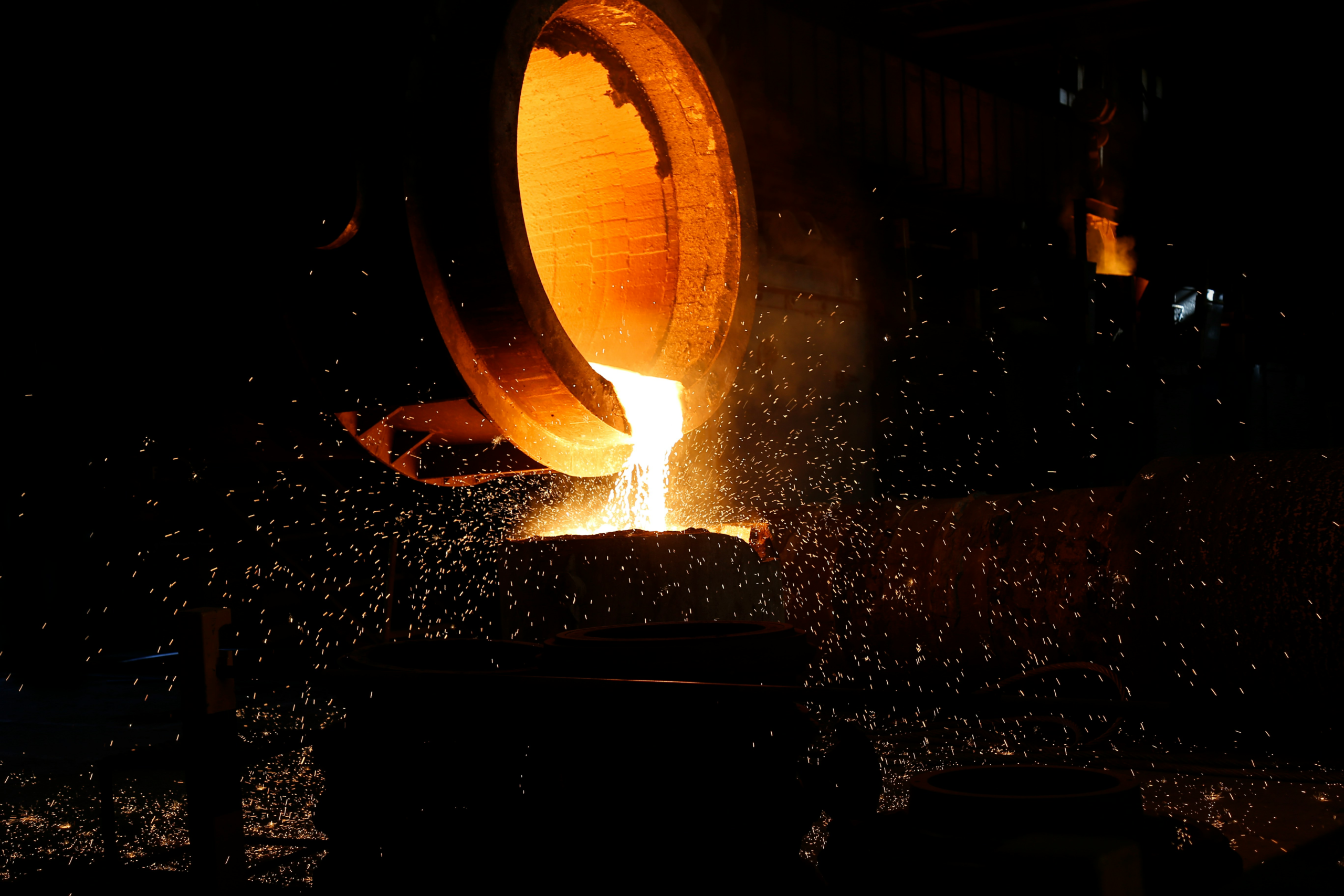
A steelworker in an inland Swedish town has spent years watching industrial electricity prices climb, with no power plant nearby to bring them back down. A material breakthrough announced this August could put a reactor in that same town within a decade.
What Blykalla Just Filed For
The Blykalla SEALER reactor took a real step toward commercial use this August. The Swedish nuclear startup filed a state-aid application to build a second small reactor park at Untra, a site north of Stockholm in Uppsala County. If regulators approve it, up to eight SEALER units will rise there, delivering as much as 440 megawatts of carbon-free power.
That matters because lead-cooled reactors have chased commercial viability since the 1960s and never managed to sell. Blykalla just solved the problem that stopped them.
Why Lead-Cooled Reactors Kept Stalling, and How Blykalla Fixed It
Liquid lead makes an excellent reactor coolant. It won’t boil until 1,749°C, so a lead-cooled reactor can’t suffer the steam explosions that threaten water-cooled plants, and lead keeps circulating on its own after a shutdown, cooling the core through plain physics instead of pumps or backup generators. But molten lead eats steel, and corrosion killed every earlier attempt to sell the technology.
Blykalla says it cracked that problem. Engineers developed a patented aluminum-alloyed steel that resists lead’s corrosive bite, a single materials breakthrough that clears the hurdle that stalled lead-cooled designs for six decades. Each SEALER unit produces about 55 megawatts electric and is small enough to build on an assembly line instead of pouring concrete in place at the site. Newcleo is making the same bet with its own lead-cooled reactor design, though Newcleo is testing a floating version at sea, not a landlocked plant.
Why This Reaches Towns a Big Plant Never Would
Factory production cuts the costs and delays that have made large reactors hard to finance. It also lets Blykalla put reactors near the industrial customers that need steady power, in spots a gigawatt-scale plant could never fit. CEO Jacob Stedman said the design lets Sweden “build nuclear power where and when it’s needed, closer to industry, in new municipalities and inland locations.” For a steel mill or paper plant paying industrial power rates today, that’s the difference between importing electricity from across the country and generating it down the road. Industrial electricity in those inland regions often carries a real premium over rates closer to existing generation, and a plant paying that premium every month has actual money riding on how fast a reactor like this reaches the grid.
What Happens Next at Untra
Sweden’s government handed the Untra proposal to the County Administrative Board in Uppsala, which has until April 30, 2027, to draft a facility plan. Blykalla targets first power sometime in the early 2030s, a timeline that still depends on Sweden’s permitting process. Other builders are racing to compress build times too: 3D-printed pressure vessels are already cutting assembly time elsewhere in the industry.
If Blykalla clears Sweden’s review, SEALER would become one of the first lead-cooled reactors anywhere to reach commercial operation, validating the corrosion fix for every developer chasing the same problem worldwide, and giving industrial towns a smaller, cheaper, walk-away-safe reactor to build instead of waiting on a traditional plant. Read more on the state-aid filing at World Nuclear News.