
A family on a drought-stricken Mediterranean island can watch their water bill climb every summer, because turning seawater into drinking water takes enormous amounts of energy, and that energy usually comes from burning diesel or gas shipped in by tanker. A nuclear barge being designed in France is aimed at breaking that link.
What Newcleo Just Got Funded to Design
Newcleo, the French reactor developer, will lead a consortium designing a nuclear barge built to house multiple reactors at sea. Bpifrance, the French public investment bank, is funding an 18-month engineering study with nearly €1 million through its maritime decarbonization program. The project goes by the name n-Floating. Newcleo will work alongside Bureau Veritas Marine & Offshore and the engineering firm ABMI Groupe to draft conceptual designs for a non-self-propelled barge carrying several LFR-AS-200 reactors, 200-megawatt lead-cooled fast reactors Newcleo has spent years developing on land.
Lead-cooled fast reactors run hotter and more efficiently than conventional water-cooled plants, and they skip the high-pressure systems that drive up construction costs. Liquid lead also resists boiling off in an accident, removing one of the biggest safety headaches water reactors carry.
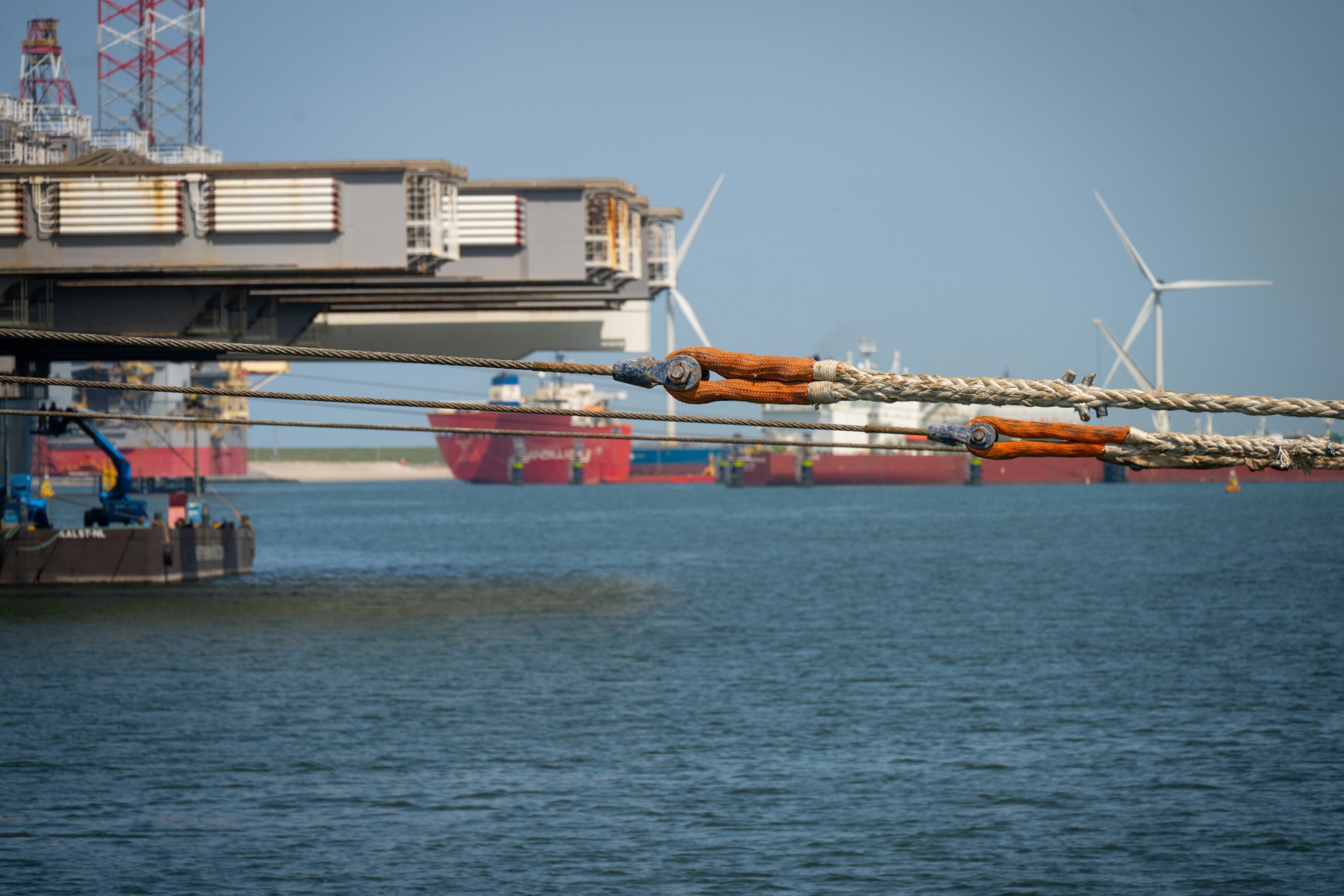
Land-based nuclear plants take years of site prep, environmental review, and custom civil engineering before construction even starts. A floating design flips that order: shipyards build the reactor barge on an assembly line, tow the finished unit to its destination, and moor it near the customer, the same playbook offshore wind and LNG terminals already use to build power infrastructure at sea faster than utilities can build it onshore.
Why a Coastal Community Should Care
Newcleo is targeting energy-hungry coastal industries: data centers, hydrogen production, desalination plants, and heavy manufacturing like cement and steel. Desalination is the one that touches ordinary water bills directly. Turning seawater into fresh water is one of the most energy-intensive processes a coastal community can run, and when that energy comes from imported diesel or gas, water prices swing with fuel prices. A moored reactor barge supplying steady, low-carbon heat and electricity could decouple a community’s water supply from the fuel market entirely, and that shift is not small: desalination run on diesel generators typically costs several times more per cubic meter of water than desalination powered by cheap, stable electricity, a gap that shows up directly on a household’s water bill. Newcleo CEO Stefano Buono put it plainly: “Floating nuclear offers an opportunity to bring reliable, low-carbon power to applications at sea and in coastal locations.”
The Timeline Ahead
The n-Floating study won’t produce a working reactor. It will produce engineering drawings, safety assessments, and a construction plan the consortium can hand to shipyards. Newcleo is aiming for industrial deployment by 2036, alongside a broader wave of advanced reactor projects racing toward commercial operation this decade, including the US Army’s own microreactor rollout to its bases and Westinghouse’s recently cleared eVinci criticality milestone.
If the design study succeeds, Newcleo won’t just have a new reactor. It will have a repeatable, factory-built platform that sidesteps the slowest part of building nuclear power: the years spent pouring concrete on land, and the years a drought-hit coastal town spends paying fuel-linked water prices in the meantime.
Source: World Nuclear News