
Bitget Wallet turned on a new card for its Nigerian users on November 3, 2026. The card draws straight from a stablecoin balance, like USDT or USDC, and it is meant to work anywhere Visa does. Two Nigerian outlets, BusinessDay and Tekedia, covered the launch independently, and their reporting lines up on the basics: it is a virtual card, it rides through Google Pay, and it pays up to 3% back in crypto rewards. What neither outlet, nor Bitget’s own site, has published yet is a fee schedule, a sign-up process, or a confirmed list of which stablecoins you can actually spend day to day.
What Bitget Wallet’s Nigeria Card Actually Does
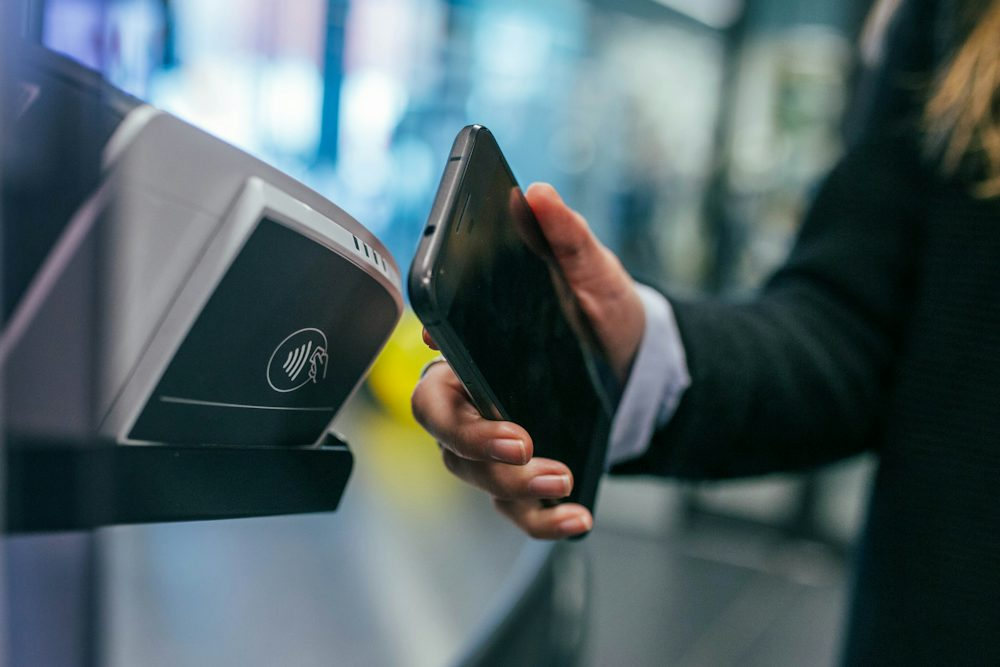
There is no plastic involved. The card lives inside the Bitget Wallet app, and you spend it by tapping your phone through Google Pay or paying online, the same way you would with a bank card loaded into a digital wallet. Instead of pulling from a linked bank account, it pulls from whatever stablecoin balance you are holding in the app. BusinessDay reported the card launched “on Tuesday,” which lines up with Tekedia’s explicit date of November 3. Both outlets describe the same cashback structure, called Assetback, which Bitget’s own card page confirms separately: a base 2% back on eligible spending, with a 3% “booster” tier for new users or anyone who crosses a monthly spending threshold the company hasn’t disclosed.
Card type: Virtual only, built on the Visa network. No physical card has been announced for Nigeria.
How you spend it: Through Google Pay, tapping to pay in stores or checking out online, drawing directly from your stablecoin balance.
Rewards: Up to 3% back through Assetback, paid out in Bitcoin, tokenized gold, tokenized stocks, or USDC, your choice, changeable once a month.
Launch promo: Sign up between November 3 and 13, 2026, and new users can earn up to $20, plus an extra bonus tied to Google Pay or Google Play spending.
Which stablecoins you can spend: Not confirmed by either report. Bitget’s own site names USDC only as a rewards currency, not as a confirmed spending balance, so don’t assume USDT works the same way until the company says so.
Why This Is Landing in Nigeria First
Nigeria isn’t a random test market. Chainalysis data, cited by both BusinessDay and Tekedia, puts the value of crypto Nigeria received between July 2024 and June 2025 at more than $92.1 billion, nearly three times South Africa’s volume and the largest total anywhere in Sub-Saharan Africa. A separate IMF paper the outlets cite says Nigeria has accounted for roughly 60% of the region’s stablecoin inflows since 2019. That’s not a niche habit. It’s millions of people already holding digital dollars because the naira has been unstable and because years of FX shortages between 2023 and 2025 pushed Nigerian banks to cut offshore spending limits on ordinary debit and credit cards.
Diaspora Nigerians feed into this too. Central Bank of Nigeria Governor Olayemi Cardoso said in July that remittances from abroad already top $600 million a month, with the bank expecting that to approach $1 billion a month by the end of 2026. A card that lets someone spend a stablecoin balance directly, without first trading it for naira cash through a P2P deal or an exchange that charges its own spread, fits neatly into both of those stories: dollar holders who can’t rely on their bank card abroad, and remittance recipients who’d rather spend what lands in their wallet than cash it out first.
The timing is notable for another reason. Nigeria’s central bank published new rules for stablecoins that took effect on November 5, 2026, just two days after this card went live. Those rules require any stablecoin legally reaching Nigerian users to be fully backed and redeemable at face value, and they ban algorithmic tokens outright. Neither BusinessDay nor Tekedia reported a statement from Bitget on how the new card squares with that licensing regime, so that’s an open question rather than a confirmed answer.
The Gaps in Bitget’s Own Story
- No fee schedule. Neither article, nor Bitget’s site, states what the card charges for a purchase, a currency conversion, or an ATM-style withdrawal.
- No sign-up or KYC details. It’s unclear what identity checks a Nigerian user has to clear to get the card inside the app.
- Conflicting merchant claims. BusinessDay says the card works at Visa merchants “worldwide.” Tekedia is more careful, saying access depends on compatible devices and that users should check which merchants actually accept it. Neither claim is independently confirmed.
- No compliance statement. Bitget hasn’t said, on the record in either report, whether this card operates under Nigeria’s new foreign-currency stablecoin licensing requirement or an older framework.
Why It Matters to You
If you’re a freelancer, a small trader, or someone who receives money from relatives abroad in Nigeria, and you already hold USDT or USDC, this could mean spending that balance directly at checkout instead of converting it through a peer-to-peer trader first, a step that usually costs you a spread on top of whatever rate you’re quoted. It’s genuinely available now, not a pilot or a future promise. The catch is that it’s virtual and tied to Google Pay, so it mainly helps people with a compatible Android phone, and nobody outside Bitget has confirmed what it actually costs to use. Treat the “up to 3%” cashback and the “worldwide” merchant claim as marketing language until you’ve tested it yourself with a small purchase.
What to Ask Before You Load Money Onto It
If you already hold stablecoins in Nigeria and you’re tempted to try this, don’t start with a big balance. Ask Bitget’s in-app support two specific questions first: what naira conversion rate applies at checkout, and which merchants near you have actually accepted a payment from the card. Those two answers will tell you more about whether this beats your current options than any rewards percentage will.
Sources
- BusinessDay NG: Bitget brings stablecoin payments to Nigerians as crypto market expands (Nov. 4, 2026)
- Tekedia: Nigeria’s crypto boom moves into everyday spending with new Visa card by Bitget Wallet (Nov. 6, 2026)
- Bitget Wallet: Assetback card rewards program details (accessed Nov. 10, 2026)