
Bay Area regulators had a choice on November 4: let a landmark rule covering home water heaters take full effect on schedule, or soften it to survive. They did some of both. The Bay Area Air District’s board voted 16-1, with one abstention, to push the rule’s start date back a year, to January 2028, while approving exemptions the agency says could cover roughly half of the water heaters replaced in the region.
The rule itself isn’t new. The Air District set a zero-nitrogen-oxide standard for home water heaters and furnaces back in 2023, aiming to cut the smog-forming pollution that comes from burning natural gas indoors in roughly two-thirds of the Bay Area’s 1.8 million households. What changed this month, after months of hearings and a vote that opponents tried to turn into a full repeal, is who has to comply and when.
What Actually Changed
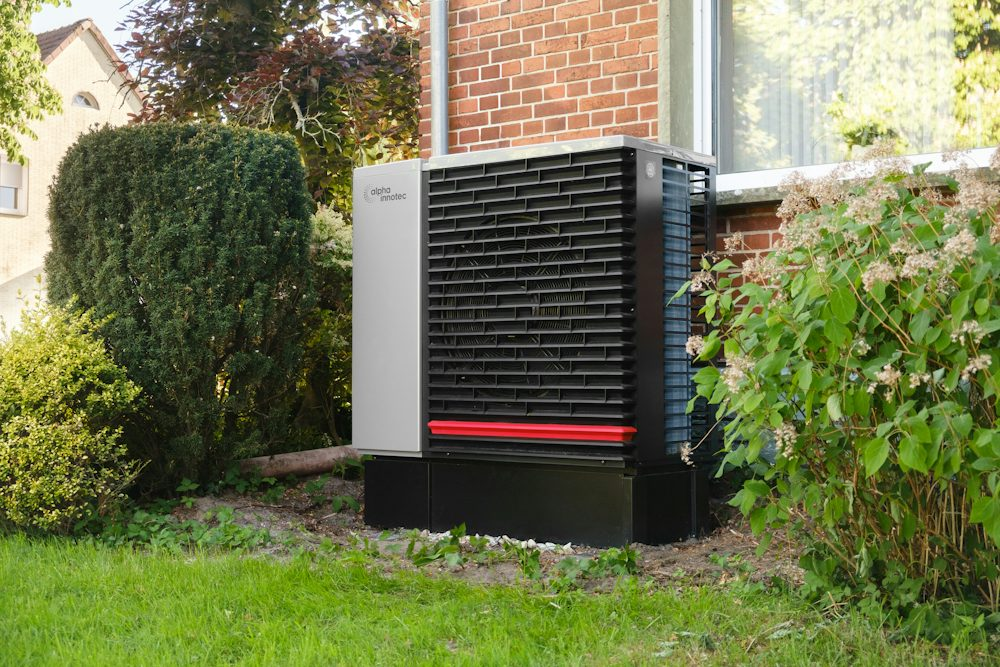
The rule only kicks in when a water heater gets replaced. It doesn’t require anyone to tear out a unit that still works. Starting January 1, 2028, a year later than originally planned, most property owners buying a new water heater in the nine-county district will have to install a model that emits zero nitrogen oxides, which in practice means an electric heat pump. The standard doesn’t touch stoves, dryers or fireplaces, and a parallel rule for gas furnaces, once set for 2029, still hasn’t been finalized; the board takes that up in December.
Air District staff say gas-fired water heaters and furnaces together produce roughly as much smog-forming nitrogen oxide pollution as every passenger vehicle in the region combined. That pollution aggravates asthma, is linked to heart disease, and helps form the fine particulate matter that settles over neighborhoods regardless of whose water heater produced it.
Who Gets a Pass on Bay Area Water Heaters
- Lower-income households: Property owners earning at or below 80% of the area median income, or enrolled in Medi-Cal, CalFresh or similar programs, can self-certify online and keep buying a gas water heater. So can anyone whose mortgage and property-tax payments eat up 28% or more of their gross income. The district estimates about one in five Bay Area households qualifies this way.
- Tight or outdated wiring: Homes with an electrical panel under 100 amps, not enough capacity, or a wire run of more than 50 feet to reach the water heater get a one-time exemption, verified by a licensed contractor. The district estimates this covers another one in five installations, the same kind of panel bottleneck that has pushed other states to test adapters that skip a full panel upgrade.
- Small tanks: Water heaters of 30 gallons or less, plus units in mobile homes, are exempt outright because no zero-emission version of that size is sold in the U.S. yet. That’s roughly one in ten replacements.
- Apartments and affordable housing: Buildings with five or more units, deed-restricted affordable housing, and some specialized commercial units now have until 2033 instead of 2031 to comply.
Most of these exemptions run through the district’s online portal; the electrical and space exemptions need a contractor to confirm the constraint.
The Rule’s Reach, With and Without the Carve-Outs
The Air District has published two different sets of numbers, and they aren’t measuring the same thing. One is the original 2023 projection for both the water heater and furnace rules combined, assuming no exemptions. The other is what the agency now expects from the water heater rule alone, now that exemptions are built in and the furnace rule hasn’t been decided.
| Measure | 2023 estimate (water heaters + furnaces, no exemptions) | 2026 estimate (water heater rule only, with exemptions) |
|---|---|---|
| Premature deaths avoided per year | Up to 85 | Up to 16 |
| New asthma cases avoided per year | Up to 15,000 attacks | Up to 21 new cases |
| Healthcare costs avoided per year | Up to $890 million | About $90 million |
Source: Bay Area Air District, 2023 rule analysis and a November 2026 statement to CalMatters.
District staff told CalMatters the exemptions put roughly half of the water heater rule’s originally projected pollution cuts out of reach. That’s the real-world cost of writing a rule that most of the board could still live with.
The Catch
Nobody disputes that a heat pump water heater costs more to buy. The district puts the difference at about $3,500, and a consultant for the agency estimated the amended rule will cost Bay Area households replacing water heaters roughly $372.8 million a year combined, even after subtracting about $60.8 million a year in projected energy-bill savings. The district’s own figures say a paid-off heat pump unit saves a household $40 to $50 a year on utility bills. The nonprofit RMI, using an electricity rate change that hasn’t taken effect yet, puts the realistic number for most households closer to $360 a year. Both estimates can’t be right at the same time, and which one holds up probably depends on whether California follows through on the rate reform RMI is assuming.
Property-owner groups, including the California Apartment Association and the California Rental Housing Association, say the rule still underestimates what older multifamily buildings will need to spend, and argue incentives would work better than a mandate. A political action committee funded by Chevron, PBF Energy Western Region, Phillips 66 and Marathon Petroleum spent roughly $60,000 trying to re-elect a board member who’d opposed the standard; he lost his race anyway. And the Bay Area’s decision to press ahead, even in watered-down form, cuts against the statewide trend: the California Air Resources Board has backed off its own goal of zero-emission water and space heaters by 2030, and Southern California’s air district shelved a similar plan last year under political pressure.
Whether the Bay Area’s version holds up may depend on what the board decides about gas furnaces in December, and on whether the exemptions that got this rule across the finish line turn out to be permanent or just a first draft.
Why It Matters to You
For a family with a child who has asthma, any personal benefit here is diffuse — this is regional air pollution, not a guarantee tied to one house. But the people the rule is built to protect, renters and lower-income homeowners who can’t absorb a surprise repair bill thousands of dollars higher than expected, don’t have to choose between an unaffordable swap and breaking a rule. If your household qualifies for Medi-Cal or CalFresh, or your housing costs already eat up a big share of your paycheck, you can keep a gas water heater when the old one dies, no fight required. If you’re not exempt and a unit fails after January 2028, expect the heat pump version to cost more upfront, with rebate programs elsewhere showing how incentives can close that gap, plus savings on your utility bill over time, narrowing it further.
Sources
- Bay Area Air District: Board of Directors adopts water heater rule amendments (Nov. 4, 2026)
- Canary Media: Bay Area finalizes rules to boost heat-pump water heater adoption (Nov. 12, 2026)
- KQED: Bay Area Air District Votes to Delay Zero-Emission Water Heater Rule (Nov. 4, 2026)
- CalMatters: New deadline for phaseout of gas water heaters gives Bay Area homeowners one more year (Nov. 5, 2026)