
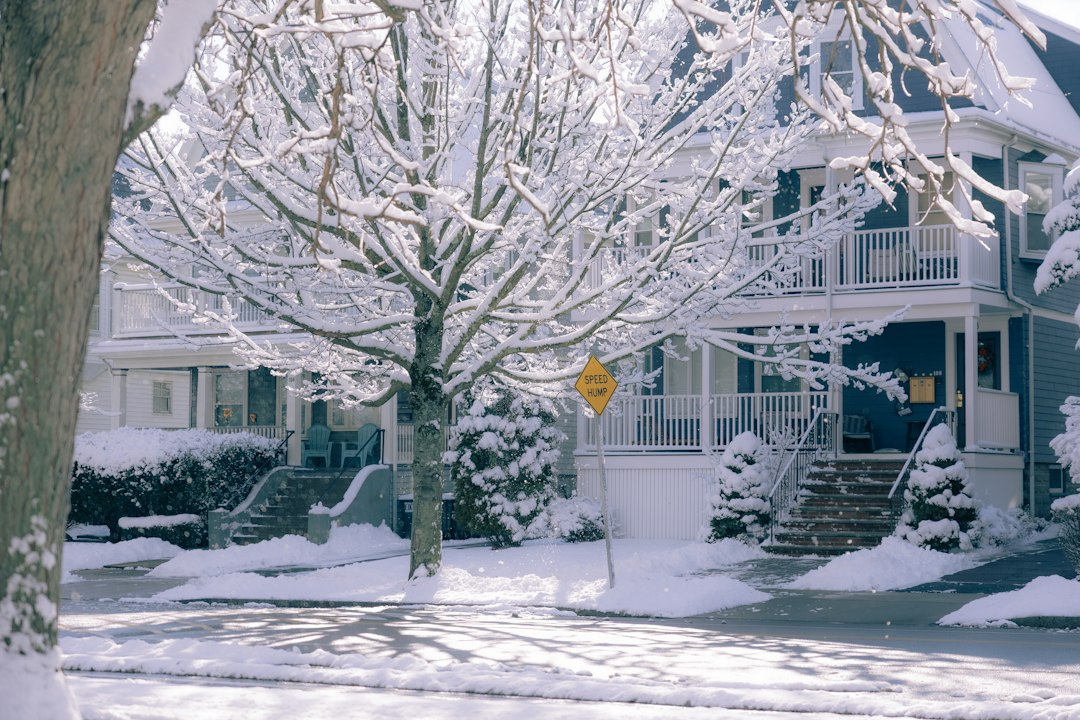
What happens when a gas utility pays for someone else’s heating upgrade instead of selling more gas? In Hinesburg, Vermont, Vermont Gas Systems is doing exactly that. The utility is bankrolling affordable geothermal heating for Riggs Meadow, a brand-new affordable housing development. Renters there will never see a drilling invoice or an installation bill. They just move in and stay warm.
Affordable Geothermal Heating Without the Upfront Cost
Geothermal heat pumps work well. The problem has always been price. A single home retrofit near Denver runs about $25,000 before rebates, according to Inside Climate News reporting on a similar Dandelion Energy project in Colorado. Most renters never get a vote on that kind of spending. Plenty of homeowners cannot swing it either.
Riggs Meadow flips that math. Vermont Gas Systems drills the wells, owns the underground loops, and maintains them through its Clover Energy program. Residents pay a simple monthly fee for heat, the same way they would pay any utility bill, instead of financing a system themselves.
Who Actually Benefits
Riggs Meadow will house 44 families in one, two, and three bedroom apartments built for people with low and moderate incomes, plus several townhomes for sale through a shared equity program. Picture Denise, a home health aide who works night shifts and juggles two part time jobs to cover rent. She does not have $20,000 saved for a heating system. She does not need it. Her building already has one built into the foundation.
Champlain Housing Trust, which co-developed the project with Evernorth, says the real benefit shows up on the rent bill, not just the thermostat.
“The efficiency of the geothermal system allows us to stabilize that energy cost that we’re including in the rent, so we won’t need to be looking at larger rent increases,” says Amy Demetrowitz, the trust’s chief operating officer.
That is the part renters almost never get. A landlord who can promise your heat will not cost more just because gas prices spiked somewhere else.
The Math Behind the Warmth
Ground source heat pumps pull steady, mild heat from underground, where temperatures barely shift season to season. That makes them roughly 30% more efficient than the air source heat pumps most people know. Riggs Meadow’s system should avoid close to 30 metric tons of carbon dioxide every year. That is about what six typical gas powered cars put out combined.
Vermont is not the only place testing this model. A geothermal drilling breakthrough aimed at affordable clean heat is pushing costs down nationwide, and a Minnesota college used similar drilling advances to keep its own tuition from climbing. Riggs Meadow’s twist is ownership. The utility keeps the hardware and spreads the cost over decades, so residents never carry the upfront bill at all.
What to Watch Next
Drilling starts in early 2027, and the first residents move into Riggs Meadow by the end of that year. Vermont Gas Systems just answered one hard question: what happens once a utility’s customers stop needing its pipes? Other gas utilities facing that same question, as Electrek reported this week, may follow the same playbook. Ask your own utility where it stands. The honest answer says a lot about where your next heating bill is headed.
Related Reading
- A Geothermal Drilling Breakthrough Could Make Clean Heat Affordable for Everyone
- A Minnesota College Just Drilled 280 Wells to Keep Tuition Down
- Vermont Public’s original report on Vermont’s first geothermal neighborhood
- Canary Media on Lennar and Dandelion Energy’s 1,500-home geothermal push in Colorado