
What do you do if you land in Bangkok with a phone full of USDT but not one baht in your wallet? Until this week, the honest answer was to find a currency exchange counter, a crypto ATM, or a peer-to-peer trader, and pay whatever spread they charged. WORPT’s stablecoin payments app just gave Thailand’s visitors a different option, and Thailand’s securities regulator is watching over how it works.
WORPT went live for international tourists on October 26, 2026, according to a company release from its two builders, Waan Exchange and Wipay. It runs inside Thailand’s Tourist DigiPay regulatory sandbox, overseen by the country’s Securities and Exchange Commission, and it’s the first app approved to operate under that specific sandbox. The idea is simple: deposit USDT or USDC, and WORPT converts it into Thai baht. Travelers can then pay at any shop that takes a PromptPay QR code, the same QR network Thai banks and merchants already use every day. Bitcoin.com News and Blockhead both covered the launch independently, and their reporting matches the company’s own account of how it works. Still, neither the company nor either outlet has published a fee schedule, a transaction limit, or a count of participating merchants.
Why It Matters to You
If you’re traveling to Thailand holding USDT or USDC instead of baht, WORPT’s stablecoin payments could save you a detour. A currency counter or crypto ATM typically charges a spread on top of whatever fee it posts. Right now that’s a “could,” not a confirmed saving. The companies haven’t published what WORPT itself charges, so there’s no way yet to say whether it actually beats those options on cost.
Thai merchants stand to gain too, in a quieter way. A shop that signs on through The Mall Group’s retail network, one of WORPT’s named partners, gets paid in ordinary baht through PromptPay. That’s the same rail it already uses for every other digital payment. It never touches a crypto wallet and never carries the risk of a token’s price moving before it cashes out. Picture an illustrative example, not a real case: a market vendor in Bangkok we’ll call Nok sells silk scarves to tourists. If one of her regular customers starts paying through WORPT, Nok doesn’t have to learn anything new. The baht lands in her account exactly the way any other digital payment would.
Keep the scale in mind, though. This is a regulatory sandbox pilot, not a nationwide rollout. It only works with two stablecoins, only at merchants connected through WORPT’s partners, and only while the SEC keeps supervising it as a sandbox program.
How WORPT’s Stablecoin Payments Work
The mechanics, according to WORPT’s own release and the two independent reports that covered it, break down into a few steps:
- A visiting tourist downloads the WORPT app and completes identity verification, part of the anti-money-laundering checks the sandbox requires.
- They deposit USDT or USDC, the only two stablecoins the app currently supports.
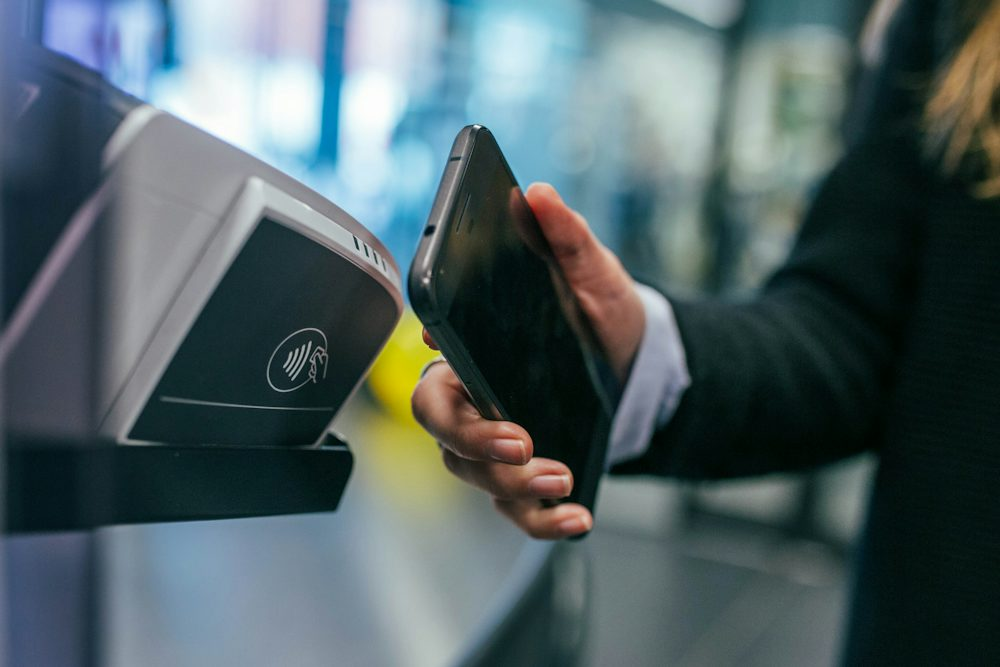
- At checkout, they scan a merchant’s PromptPay QR code, the same code a Thai customer would scan using a local bank app.
- WORPT converts the stablecoin into baht behind the scenes and routes the payment through PromptPay. The merchant sees an ordinary baht payment land in its account, never a cryptocurrency.
That last step is the whole point. Thailand has banned using crypto directly as payment for goods and services since 2018, and that ban hasn’t changed. WORPT works around it rather than through it: the conversion to baht happens before the merchant is ever paid, so legally nothing changes hands except local currency. It’s a similar workaround to the one Binance Pay used to let visitors to Japan spend crypto at PayPay merchants without those shops ever touching a token.
WORPT’s co-founders framed the app as a shift in what crypto gets used for. “Historically, cryptocurrencies have largely been viewed as assets for holding and trading,” said Janeboon Roonnaphaya in the company’s release. “What makes the current development particularly significant is their transition toward practical utility in everyday life.” Co-founder Pavin Jittiwongsamarn added that the goal is letting travelers “make practical use of the cryptocurrencies they already have while visiting Thailand.”
A Visa-branded piece is coming next. The release says a physical Visa prepaid card is planned for mid-November 2026, with a virtual version following in early 2027. Both will draw from the same baht balance as the QR payments, so travelers won’t have to juggle separate accounts.
What’s Confirmed, and What Isn’t
Here’s a plain breakdown of what the company and two independent outlets have actually verified, versus what’s still an open question.
Confirmed:
- WORPT is live and downloadable for international tourists as of its October 26, 2026 release.
- It’s built by Waan Exchange, an SEC-licensed digital asset exchange, and Wipay, a Bank of Thailand-regulated e-money provider.
- It runs inside the SEC’s Tourist DigiPay regulatory sandbox and is the first app approved to operate there.
- It supports only USDT and USDC for now, with the company saying more assets may be added later.
- Tether and retail operator The Mall Group are named partners, alongside a planned Visa prepaid card.
Not yet announced:
- Any conversion fee or spread, for the tourist or the merchant.
- Any daily or per-transaction limit.
- How many merchants currently accept it beyond The Mall Group’s venues, or how many tourists have signed up since launch.
- Whether Thailand’s underlying ban on using crypto directly for goods and services is changing in any way. It isn’t: WORPT operates around that rule, not through a change to it.
A public launch event, with executives from WORPT, Tether, and The Mall Group plus unnamed “representatives from relevant authorities,” is planned for sometime in November 2026. That event may fill in some of the blanks above, but as of this writing it hasn’t happened yet.
If you’re planning a trip to Thailand and you’re sitting on USDT or USDC instead of baht, WORPT is worth checking before you go. Just don’t assume it’s automatically cheaper than a travel card or an airport currency counter until the company actually publishes what it charges. Ask the app directly what the conversion will cost you, before you load your travel budget onto it, not after.
Sources
- GlobeNewswire: WORPT Now Available Under Thailand’s Tourist DigiPay Regulatory Sandbox (Oct. 26, 2026)
- Bitcoin.com News: Thai Platform Unveils Crypto-to-QR Payment App for Foreign Travelers (Oct. 26, 2026)
- Blockhead: Thailand’s Tourist DigiPay Sandbox Gets a Live Stablecoin App (Oct. 29, 2026)