
Roughly 10,000 homes and small businesses scattered across ten West Virginia counties have been waiting years for something most Americans take for granted: internet fast enough to hold a video call without it freezing. That wait is ending. A new West Virginia broadband expansion, backed by $100 million in combined public and private funding, will lay more than 500 miles of fiber optic line across the state’s most rural stretches. It is one of the largest broadband builds the state has seen, and it lands right as hurricane season reminds Appalachia why a strong signal can matter more than convenience.
Ten Counties, 500 Miles of Fiber
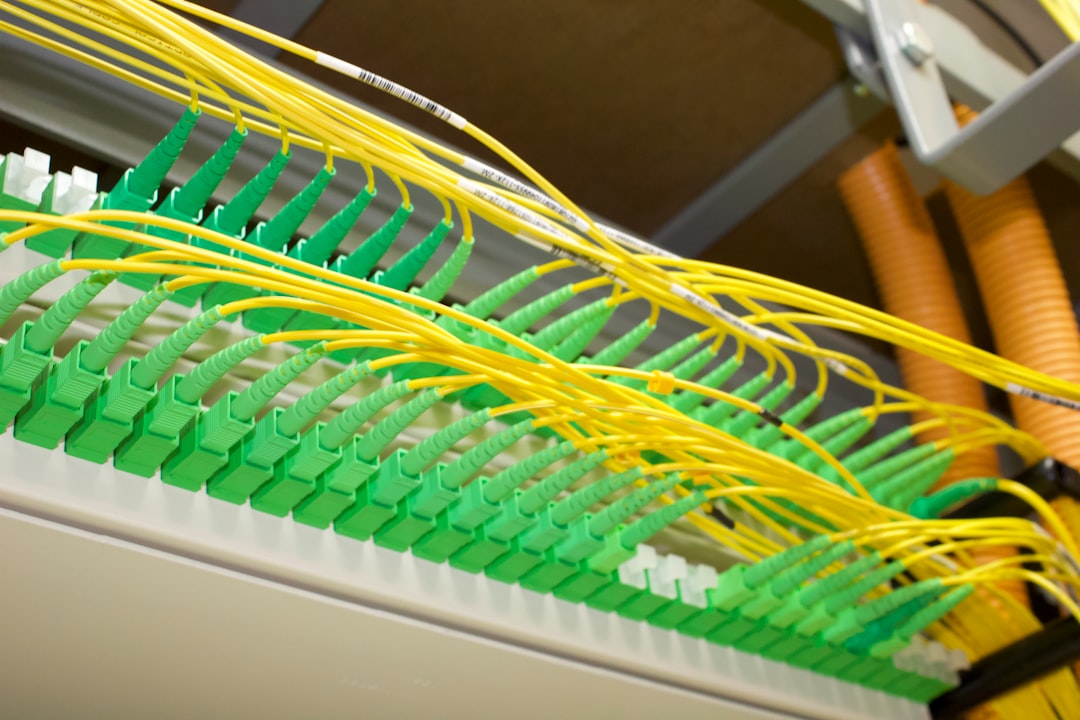
Armstrong Utilities, headquartered in Appalachia and already the region’s largest cable and internet provider, is doing the physical work. Company president Jeff Ross says crews are stringing more than 500 miles of fiber across ten counties to reach roughly 5,000 homes and small businesses directly, with total beneficiaries expected to hit 10,000 once every phase wraps up. The money comes from three programs working together: the federal Broadband Equity, Access, and Deployment program, the state’s Line Extension Advancement and Development fund, and the FCC’s Enhanced Alternative Connect America Cost Model. Some projects have already finished. Others are just breaking ground. Governor Patrick Morrisey put his finger on why these homes got skipped for decades in the first place: reaching a house at the end of a gravel road costs far more per customer than wiring a subdivision.
A West Virginia Broadband Expansion That Matters When the Water Rises
The most persuasive argument for the project did not come from a telecom executive. It came from Senator Shelley Moore Capito, who pointed to the state’s flood risk as proof that connectivity is not a luxury item. When a flash flood knocks out a bridge or a cell tower, real-time internet access becomes the fastest way to warn neighbors, coordinate rescues, and let families outside the area know who made it out safely. A fiber line that finally reaches a hollow does more than stream video. It becomes part of the county’s emergency response plan.
What Changes for Families and Small Businesses
For residents, the everyday upside is simpler than any funding formula: kids can do homework without driving to a parking lot for Wi-Fi, a home health aide can run a telehealth visit without the picture freezing mid-sentence, and a farmer or shop owner can finally take online orders without a trip to town just to get a signal.
This build follows a similar rural push already underway at Doddridge County, where Wi-Fi now reaches nearly every student’s home, and it echoes what Oregon’s own rural fiber buildout has done for households on the other side of the country. You can read the full county-by-county rollout schedule in the original report from WV MetroNews.
None of this happens overnight, and some of these projects will take months to finish. But for a family that has spent years driving to the library parking lot just to submit a job application online, the difference between this year and next is the difference between being cut off and being connected.