
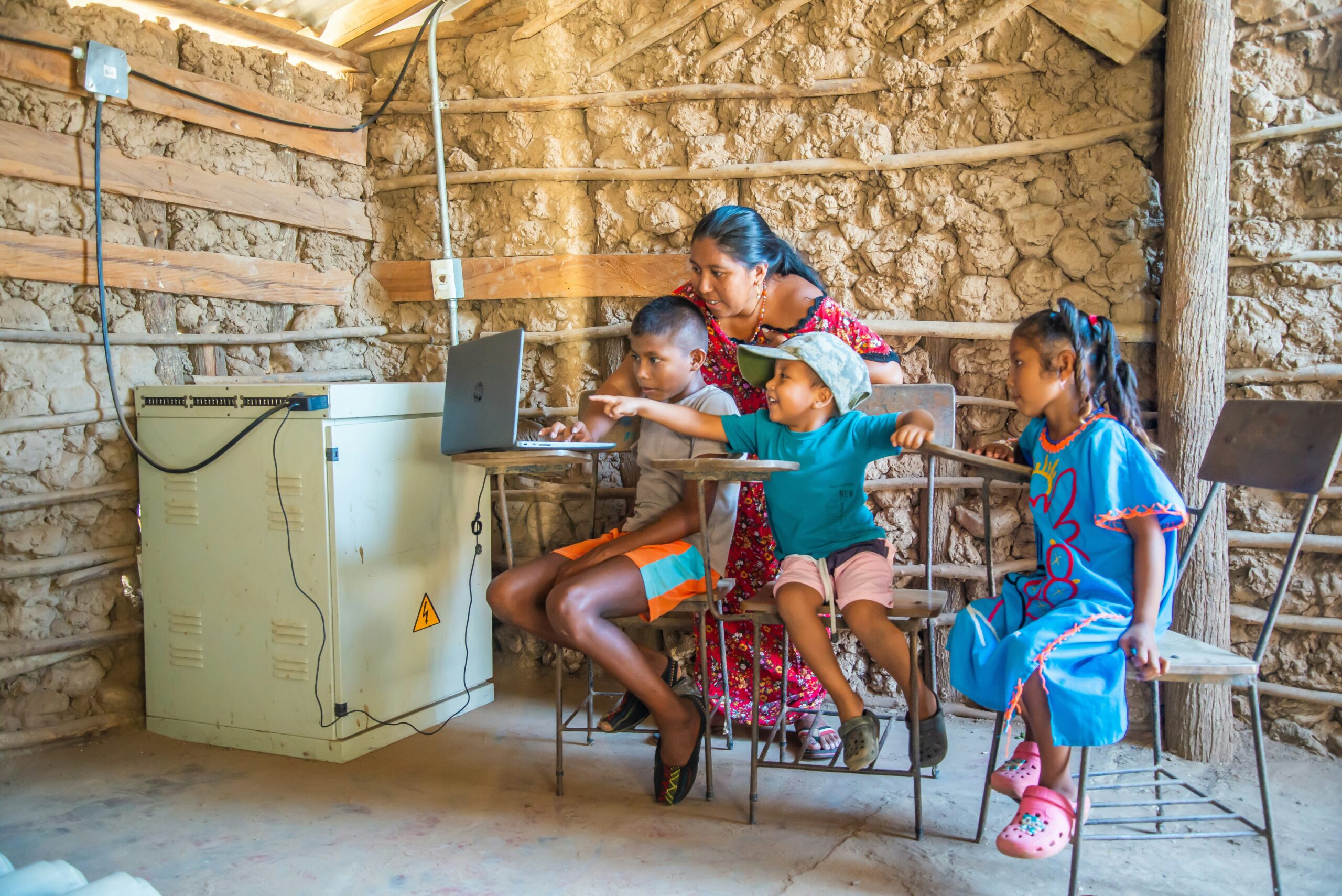
Every student in Doddridge County, West Virginia now has a working internet connection at home. The new Doddridge County Wi-Fi program covers all 568 households with kids enrolled in the district, and the results already show up in test scores.
Closing the Home Internet Gap
The service launched as the new school year began. Superintendent Adam Cheeseman built it so no student falls behind because of a bad connection at home. That’s a real problem in rural counties like this one, where cell towers are scarce and fiber lines are expensive to run.
Before this rollout, families here had few good options. Some parents drove their kids to a library parking lot after dinner just to catch a signal for homework. Others sat in fast-food lots with laptops balanced on their knees. Low-income households felt it hardest. Kids without home internet turned in late assignments, or skipped online work entirely because there was nowhere to do it.
That changed this fall. Every student with a district-issued laptop now gets a home connection that actually works. Parents don’t pay a monthly bill, one that typically runs $30 to $85 a month for a comparable home broadband plan, real money back in the pocket of every one of those 568 families every month. Teachers don’t have to plan lessons around who has internet and who doesn’t.
How the Doddridge County Wi-Fi Deal Came Together
This didn’t happen overnight. The county’s Board of Education committed $600,000 to the project. The county commission added $1.5 million on top of that. Citynet, the West Virginia-based provider building the network, layered in more than $12 million from federal broadband programs. That money came through USDA Rural Development and the FCC’s Rural Digital Opportunity Fund.
Total investment: roughly $14 million for a county of fewer than 8,000 people. That kind of money rarely reaches a place this small. Rural terrain makes fiber costly to install, and providers often skip low-density areas because the math doesn’t pencil out. Doddridge County got there anyway. Officials stacked school district funds on top of state and federal grants. Then they locked in a provider willing to build for the long haul, as WV MetroNews reported when the partnership was finalized.
The free service runs through July 2027. That gives the district time to line up its next round of funding before any family feels a gap in service.
Test Scores Are Climbing Too
Doddridge County Schools weren’t a low performer before this rollout. But the numbers have moved since students gained reliable access. Reading proficiency now ranks second among 13 north central West Virginia counties. Science scores are up nine percentage points since 2024. The district has climbed from the middle of the pack into the state’s top ten.
No superintendent will claim Wi-Fi alone drives test scores. But when a student can finish an assignment at home instead of losing their connection at 8 p.m., that’s one less obstacle between them and a passing grade.
Doddridge County joins a small but growing list of communities where public dollars are closing the connectivity gap for good. It’s following a path similar to California’s recent push to bring fast internet to rural homes. As more households get connected nationwide, tools like AI chat assistants built for younger users become just another part of how kids do homework online.
The nearest city of any size sits over an hour from Doddridge County. Reliable home internet changes what’s possible after the school bell rings. A kid finishing a science project no longer has to choose between dinner and a drive to find a signal.