
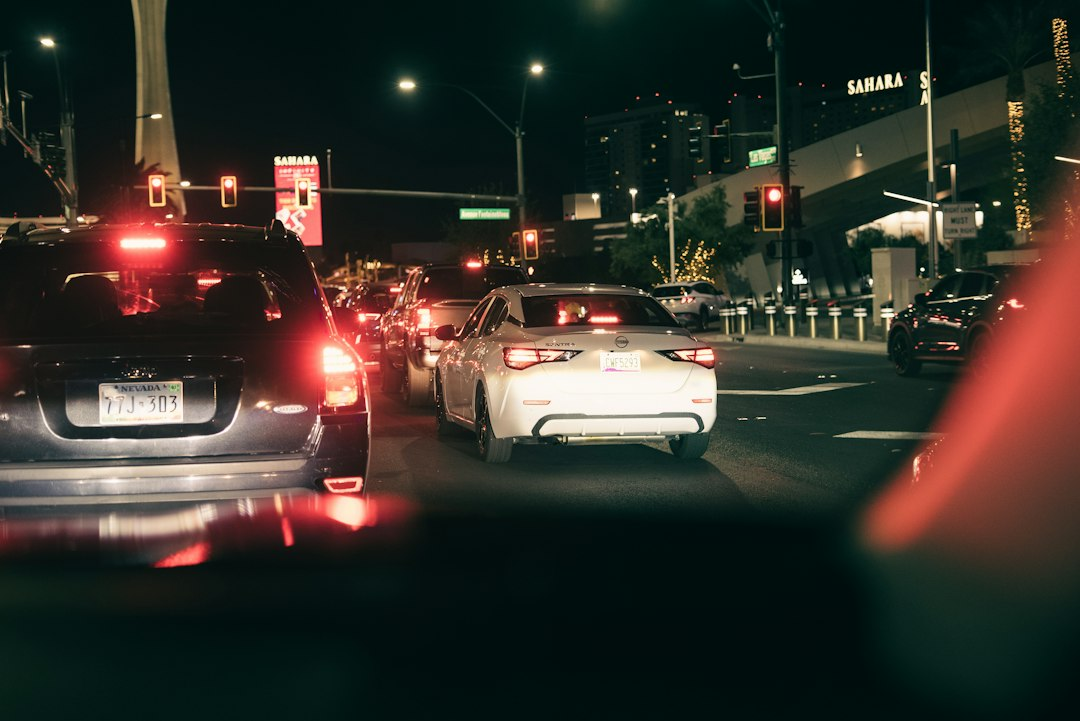
On October 8, 2026, Waymo published research titled “Sober Drivers Still Face Nearly 4x Nighttime Risk.” It looks at human driving, not at Waymo’s own crash record.
What the research reports
- Sober drivers face 3.1 to 3.9 times the fatal crash risk at night compared with daytime.
- With alcohol-involved drivers removed, the urban fatal crash rate drops 23% on average (1.42 to 1.10 per 100 million miles), by 31% in Houston and 13% in Minneapolis.
- Over 2% of nighttime drivers, about 1 in 50, are over the legal limit in some urban areas.
- Over 30% of U.S. traffic deaths are directly linked to alcohol impairment.
What stays the same or isn’t confirmed
- The post gives human-driver benchmarks. It has no crash data from Waymo’s own fleet at night.
- Waymo conducted and published the work, and we did not find an independent review of it.
- Waymo’s separate fleet figures (September 2026) do not break out nighttime results, and its hub says time of day is not adjusted for.
How the study was built
Waymo describes two studies. The first uses an “exposure reconstruction” model, because national databases do not track miles driven by blood alcohol level. It covers the 50 most populous U.S. urban areas and draws on NHTSA fatal crash data (FARS) with toxicology results, plus real-world telematics. That makes the sober-versus-impaired mileage a modeled estimate, not a direct count.
The second study applies the U.S. DOT’s Safe System Approach to fatal crash data. Of about 37,654 fatal cases in the 2023 FARS database, over 77% involved at least one of impairment, speeding, or a missing seat belt or helmet. Waymo then estimates that autonomous driving could address up to 83% of system failures. That last number is Waymo’s estimate of what could be addressed, not a measured result. All figures here are Waymo’s reporting of its own research.
Stacey D. Stewart, CEO of Mothers Against Drunk Driving (MADD), said the research can “fill a major gap in road safety research,” according to Waymo’s post.
Why It Matters to You
- If you drive at night, the research says the dark itself raises fatal risk, even when everyone on the road is sober.
- It makes a case for autonomous driving as a safety tool, but offers no proof yet. Waymo’s own nighttime crash rate isn’t reported.
- Nothing here is a product or service you can use. It’s a research post.
Questions people ask
Is night driving more dangerous even without alcohol? Waymo’s research says yes: 3.1 to 3.9 times the fatal crash risk at night compared with daytime for sober drivers.
Does this show Waymo is safer at night? No. The post covers human drivers and what autonomous systems might address. It does not report Waymo’s nighttime crash rate.
What role did MADD play? MADD’s CEO commented on the research in Waymo’s post. The post does not say MADD audited the data.
Where does the 77% figure come from? From about 37,654 fatal cases in the 2023 FARS database. Over 77% involved at least one of impairment, speeding, or lack of a seat belt or helmet.
Sources
- Waymo: Sober Drivers Still Face Nearly 4x Nighttime Risk (Oct 8, 2026)
- Waymo: Safety Impact data hub (accessed Oct 13, 2026)