
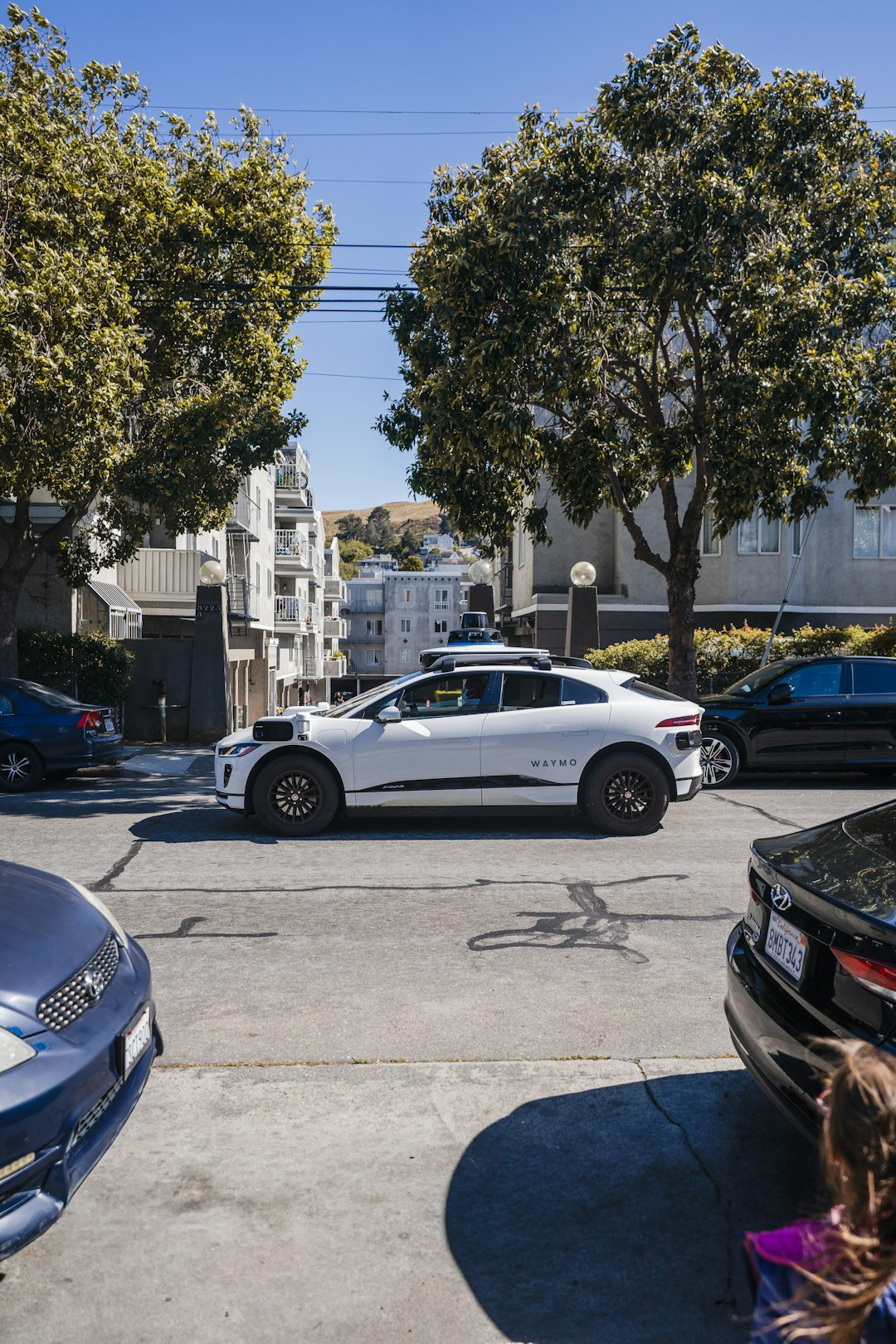
Dana Okafor was deep into an overnight paramedic shift in Alameda County when the power went out. Streetlights died first. Then dozens of empty robotaxis froze in place, scattered across intersections like abandoned shopping carts. Her crew needed to reach a man having a heart attack six blocks away. Instead, they sat behind a stalled self-driving car for eleven minutes, waiting for anyone to move it. A new California robotaxi safety law exists because of nights exactly like that one.
That December outage wasn’t a one-off. Roughly 1,500 Waymo vehicles froze across the Bay Area, and some 911 dispatchers waited on hold for up to 53 minutes trying to reach a human. Robotaxis have also blocked fire engines and trailed officers into active scenes. Now there’s a price on those lost minutes.
The New California Robotaxi Safety Law, Explained
On October 1, Governor Gavin Newsom signed Senate Bill 1246, rewriting the rules for every robotaxi company in the state. Starting July 1, 2028, Waymo, Tesla, and Zoox have to:
- Staff remote, U.S.-based drivers who hold valid licenses, so a real person can step in fast
- Send an actual local technician to a crash or stall, not a tow truck hours later
- Tell city emergency managers immediately when a system-wide failure strands their fleet, and where
- Meet DMV response-time rules or pay up to $10,000 per incident that blocks first responders longer than 30 minutes
Local jurisdictions, not just state regulators, get the power to issue those fines.
Why Thirty Minutes Is the Whole Point
Thirty minutes sounds generous until you measure it against a human body. Cardiac arrest survival odds fall roughly 10 percent for every minute that passes without CPR and a defibrillator. A kitchen fire can jump past the room where it started in under five minutes. The law’s trigger isn’t a grace period. It’s meant to force companies to solve problems in minute four, not minute fifty-three.
State Senator Dave Cortese, who wrote the bill, said California has embraced autonomous vehicles but can’t embrace innovation at the public’s expense. Theresa Rutherford of SEIU 1021, which represents emergency dispatchers, put it bluntly: first responders shouldn’t be roadside assistance for AV corporations’ fleets. Firefighters, highway patrol officers, and police chiefs across California backed the bill.
What It Means for the Rest of Us
You don’t have to ride in a robotaxi to feel this. Live along a Waymo, Zoox, or Tesla route, and this law could mean an ambulance reaching your block in six minutes instead of sixteen. During the next blackout, companies must tell your city where their stranded cars sit, instead of leaving firefighters to find each one block by block.
A $10,000 fine is pocket change for companies worth billions. Stack enough of them on top of bad press and a threatened permit, though, and the math starts to bite, pushing operators to staff for emergencies before they happen. Not everyone thinks it goes far enough: gig and rideshare drivers have spent over a year rallying at the Capitol for tighter rules still.
Weigh it against Waymo’s own data showing 841 fewer injury crashes this year, real progress worth crediting. But a car that drives better than most humans can still become a roadblock the moment its software stalls, as San Antonio learned during flash flooding.
Next time you pass a car with no one behind the wheel, hazards blinking at a dead stop, ask yourself one question: if that intersection were on fire, how long would you want to wait? California just decided the answer is thirty minutes, not fifty-three.