
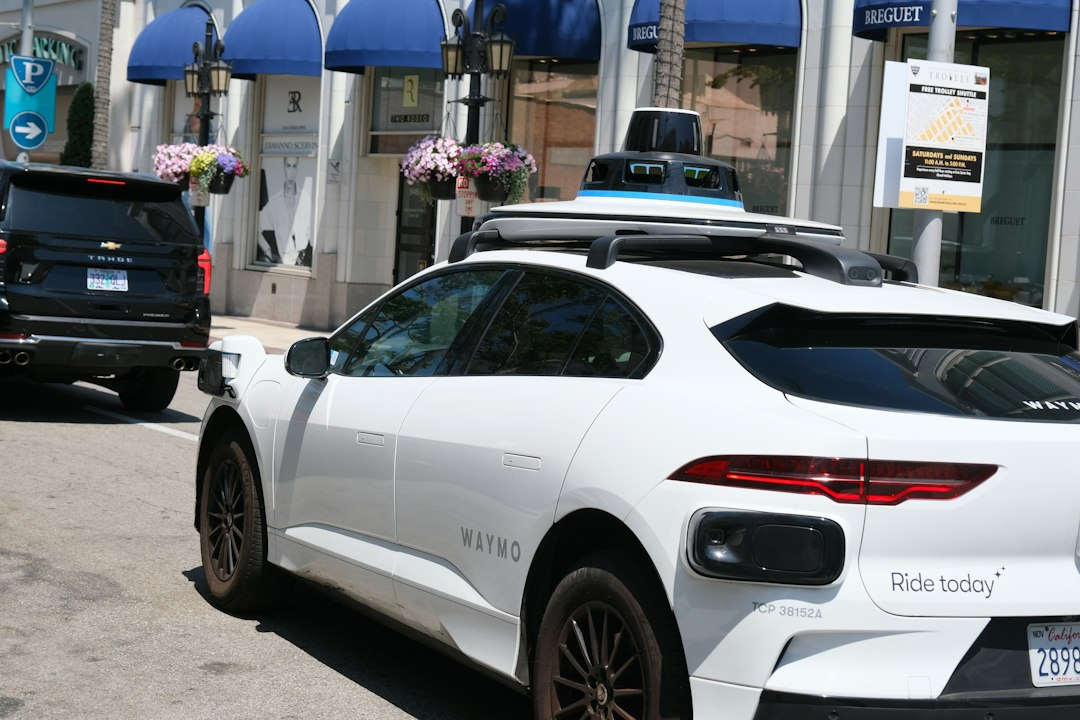
“With Waymo, they get their independence back.” That’s what Scott Young, board chair of Lighthouse for the Blind & Low Vision in Tampa, said about a change that took effect October 14, 2026. Waymo opens to everyone in San Antonio, San Diego and Tampa as of that date, dropping the waitlist that used to stand between a rider and a ride. Anyone with the app can now hail a fully driverless car in all three cities. San Antonio also got something new: pickups and drop-offs at its international airport, according to Waymo’s own announcement.
How Waymo Opens to Everyone on October 14
Before this week, riders in these three cities had to download the app and wait for an invitation. Waymo says it has carried “hundreds of thousands of riders” across the three cities since each opened earlier in 2026, with trips to beaches, a hockey game, the Riverwalk, and the grocery store. Now there’s no line to stand in. You open the app, request a ride, and go, as long as your pickup and drop-off fall inside the service area.
San Antonio’s piece is the most concrete. Trips to and from San Antonio International Airport are open to anyone, not just invited riders. Jesus Saenz, the city’s director of airports, called it “a significant milestone for Waymo, our city and travelers,” according to News 4 San Antonio. The San Antonio service area runs roughly from the King William neighborhood to Wurzbach Parkway, covering downtown, the River Walk, the Alamo and North Star Mall, but it skips outlying areas like Shavano Park, according to San Antonio CultureMap. Fares there run a $3 base plus $2.25 a mile, with an average local trip costing around $20, CultureMap reports, citing the fare-tracking site RideWise.
Why advocates for seniors and blind riders are paying attention
The headline number is access, but the quotes Waymo chose to put in its own announcement say more about who this is supposed to help. Bob Kelly, founder and CEO of the San Diego Seniors Community Foundation, framed it around older adults who’ve given up driving: “Self-driving technology like Waymo’s isn’t just about innovation, it’s about inclusion,” he said.
Young explained why in blunter terms:
“For our clients, transportation is the number one barrier for their independence.”
That’s a real problem these organizations deal with every day. A senior who can no longer drive at night, or a person who is blind or has low vision and can’t read a street sign, often depends on a relative’s schedule or an expensive specialty van. A car that shows up on its own, with no human driver to coordinate with, removes one layer of that dependency. It doesn’t erase it. The ride still costs money, and the rider still needs a smartphone, a bank card, and a service area that happens to include their trip.
Who still can’t get a ride
Waymo’s own quotes lean hard on inclusion. Its track record on one specific group is less settled: wheelchair users who can’t transfer into a regular car seat.
Kelsey Brickl, a disability rights advocate who uses a power wheelchair, pushed back hard when Nevada regulators approved up to 1,000 Waymo vehicles in Las Vegas this past August. Her chair weighs 388 pounds and can’t be folded or stored in a trunk, she told Nevada Current. She’s asked regulators to pause rollouts until companies explain how they’ll serve riders like her, and she says the private wheelchair-accessible vans that do exist can run $254 to $373 one way.
Waymo hasn’t given a different answer for San Antonio, San Diego or Tampa. According to that same Nevada Current reporting, the company told a Washington, D.C. council committee in July that it hasn’t yet found an electric vehicle platform that’s fully wheelchair accessible and compatible with its self-driving system. So when Scott Young says his clients get their independence back, that’s true for blind and low-vision riders who can use a standard seat. It isn’t yet true for riders who use a power wheelchair. Both groups are disabled. Only one is served today.
Why It Matters to You
- If you live in San Antonio, San Diego or Tampa and don’t drive, you can get a ride right now, no invitation needed, and in San Antonio that now includes the airport.
- If you’re an older adult who’s stopped driving at night, or you’re blind or have low vision, this is a real, working option today, not a future promise, though it still costs money and needs a smartphone.
- If you use a power wheelchair, this expansion doesn’t change much for you yet. Waymo has said it hasn’t solved that problem on any of its current vehicles.
None of this is free, and none of it is citywide. But compare it with the alternative for someone without a car: waiting on a relative, paying for a specialty van, or just not making the trip. That’s the gap this fills, for the riders it currently fits.
Frequently Asked Questions
Do I still need an invitation to ride Waymo in these cities?
No. As of October 14, 2026, anyone with the Waymo app can request a ride in San Antonio, San Diego and Tampa, as long as the trip starts and ends inside the mapped service area.
Can I get a Waymo to or from the airport?
In San Antonio, yes, that’s new as of this announcement. Waymo’s post and local coverage don’t mention airport service opening at San Diego or Tampa’s airports.
Are Waymo vehicles wheelchair accessible?
Not for power wheelchairs that can’t be folded or transferred out of. Waymo has said it hasn’t found an electric platform that’s both fully wheelchair accessible and compatible with its driving system.
Sources
- Waymo: Open to everyone in San Antonio, San Diego and Tampa (Oct 14, 2026)
- News 4 San Antonio: Waymo opens driverless rides to everyone in San Antonio, including airport trips (Oct 14, 2026)
- San Antonio CultureMap: Waymo opens rides to all passengers (Oct 15, 2026)
- Nevada Current via News From The States: As Waymo expands fleet, some wheelchair users will be left at curb, says advocate (Sep 1, 2026)