
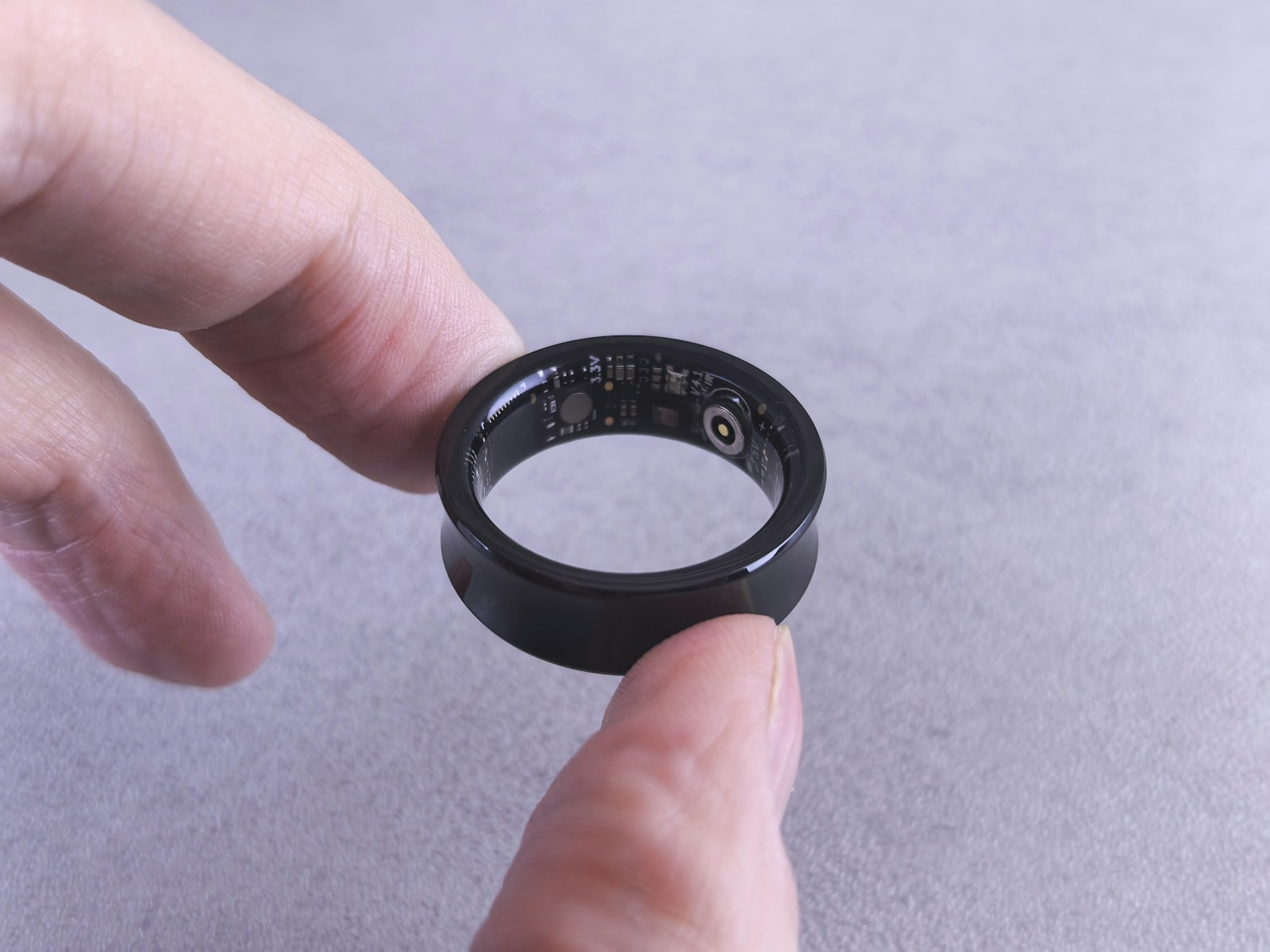
Wahoo has launched My Readiness, a feature in its Wahoo App that pulls overnight data from an Oura smart ring to estimate how ready you are to train. Wahoo’s Oura page says it is available from November 10, 2026, and the company’s press release is dated November 12. Both Wahoo pages say it works with every Oura Ring generation and requires an active Oura membership. It is live now for the Oura link. Apple Health and COROS connections are listed as next.
If you already wear an Oura ring and ride, run or lift, this is the first time Wahoo has accepted outside recovery data. Wahoo’s own page calls Oura its first wearable integration. Here is what is verified, what it costs, and where it falls short.
What Wahoo My Readiness Does With Oura Data
According to Wahoo’s Oura partner page, the app imports beat-to-beat heart rate variability (HRV), overnight heart rate, sleep duration and stages, respiratory rate, skin temperature and blood oxygen. HRV is the tiny variation in time between heartbeats. It is often used as a rough signal of how stressed or rested your body is.
Wahoo says it does not use Oura’s own Readiness Score. It calculates its own number, called Recovery Response, on a scale from minus 100 to plus 100. Zero means recovery is on track for your training. The app then combines that with your training history and a 90-second daily reaction-time check-in. The result is one of six states, from Primed and Ready to Rest Recommended and Anomalies Detected.
On connecting, Wahoo can import up to 90 days of Oura history, so the score has a baseline from day one. DC Rainmaker tested it for about a day and reported that setup took a few seconds from a notice on the Wahoo dashboard. The data flows one way, from Oura to Wahoo.
What It Costs and What Is Free
Wahoo says its Recovery Response, readiness state, sleep, HRV and resting heart rate views are free for every Wahoo athlete. It also says there is no recovery paywall. Wahoo’s press release describes My Readiness as free for all Wahoo App users with an active Oura membership.
The Oura membership is the real cost. Wahoo’s FAQ lists it at US$5.99 a month or US$69.99 a year before tax, with other currencies shown. Wahoo’s own tiers sit on top of that. Its subscription page lists Core at $4.99 a month or $49.99 a year, and Pro at $17.99 a month or $179.99 a year.
| Item | Monthly | Yearly |
|---|---|---|
| Oura membership (US, before tax) | $5.99 | $69.99 |
| Wahoo App Core (US, before tax) | $4.99 | $49.99 |
| Wahoo App Pro (US, before tax) | $17.99 | $179.99 |
Source: Wahoo Oura partner page and Wahoo App subscription page, as read November 16, 2026.
Some inputs sit behind those tiers. Wahoo’s Oura page says historical Training and Mental Capacity values are part of Wahoo Core. The subscription page marks Mental Capacity as Pro. The two pages do not agree, so check the tier before you pay.
Apple Health and COROS Are Next
DC Rainmaker reports that COROS and Apple Health connections are slated for Tuesday, November 17, and that he has not tested them. TechTimes, citing Oura’s support page, reports that an Apple Health route may not carry HRV, resting heart rate or blood oxygen. I did not open Oura’s support page, so treat that as a report, not a confirmed limit. If it holds, Oura owners would get the fuller picture through the direct Oura link.
Limits and Caveats
Wahoo says Oura and My Readiness are not medical devices and are not meant to diagnose or treat any condition. This is a wellness feature. No regulator has cleared it.
Accuracy is the open question. Wahoo has not published its formula or weights, and its page warns that numbers will not always match other apps because it calculates its own HRV values. The5krunner, which had not tested the full process, argues that overnight HRV reflects resting physiology more than athletic readiness. TechTimes cites a 2024 Sensors study of 114 people that found an 11.36 percent median error in one HRV measure for older adults on five-minute segments, with better results on longer averages. Single nights are noisy, and sync gaps can leave holes in the data.
Other gaps from the reporting: blood oxygen needs a manual toggle in the Oura app, and DC Rainmaker saw a “historical chart is coming soon” message in early use. Calibration needs seven recorded days in the last 90, per Wahoo. Neither Wahoo page explains how your health data is stored or shared. Read its privacy policy before connecting.
Why It Matters to You
If you own an Oura ring and train with a Wahoo app, you can now see one readiness number without a second subscription for the ring data. The real cost is the Oura membership you may already pay. Use the score as a nudge, not an order, especially if you are an older athlete or train with a health condition. Talk to a clinician before changing training because of any wellness score.
Sources
- Wahoo, Oura partner page (undated, 2026)
- Wahoo, Wahoo App subscription page (2026)
- Endurance Sportswire, Wahoo press release (November 12, 2026)
- DC Rainmaker (November 12, 2026)
- TechTimes (November 12, 2026)
- the5krunner (November 13, 2026)
Watch the November 17 Apple Health and COROS rollout. It will show whether non-Oura wearers get a score worth trusting.