
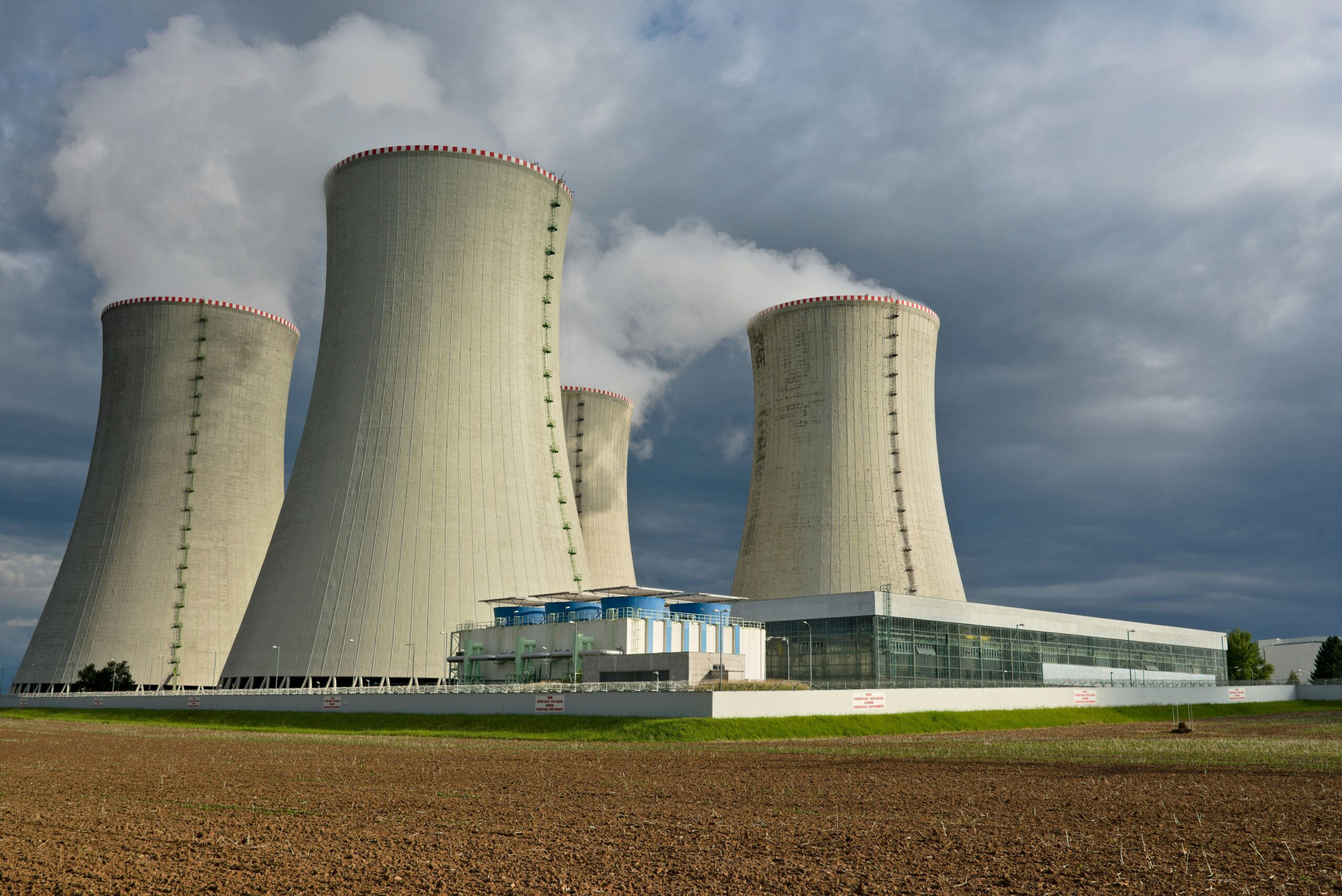
Five years. That is how long the VVER-1200 reactor at Tianwan Unit 7 took to go from first concrete to a core that can sustain its own chain reaction, in Jiangsu, China. In the United States, our two most recent reactors took almost three times that long, and ratepayers are still covering the bill.
On September 28, Rosatom and its Chinese partners brought Tianwan 7 to what engineers call “minimum controllable power level.” That is the moment a reactor first sustains its own chain reaction without outside help. World Nuclear News covered the milestone. Rosatom chief Alexey Likhachev put it simply:
“Construction of Units 7 and 8 began just over five years ago, and today, one could say, the heart of the reactor at Unit 7 has begun beating.”
Meet the VVER-1200 Reactor Behind the Milestone
Unit 7 is a VVER-1200, Rosatom’s newest workhorse design. It is a pressurized water reactor rated around 1,100 megawatts, built with a core catcher and passive cooling that keep it safe even if it loses outside power. Reaching minimum controllable power is only stage two of a seven-stage startup process. Engineers will raise power step by step, with a safety check before each increase. They will connect Tianwan 7 to the grid only once every check clears. Rosatom expects full commercial operation later this year, with twin unit Tianwan 8 following in 2027.
A reactor turning on is not news by itself. Dozens have done it before. What makes this one worth a second look is the clock.
The Real Breakthrough Is the Calendar
Compare that five-year timeline to Plant Vogtle, the last large reactors built in the United States. Vogtle’s Units 3 and 4 arrived seven years late and seventeen billion dollars over budget. Georgia regulators approved roughly nine extra dollars a month on customer bills to help cover it.
| Project | Construction Start to First Criticality | Reported Overrun |
|---|---|---|
| Plant Vogtle Units 3 & 4 (Georgia) | About 14 years | $17 billion |
| Tianwan 7 (Jiangsu, China) | About 5 years | Not disclosed |
Picture a bakery owner in Macon, Georgia, opening her utility bill. Nine extra dollars will not break her, but it is money she never agreed to spend when the project started. A late reactor is not just an engineering story. Someone always pays the interest on a missed deadline.
Tianwan’s pace is not an accident. Rosatom has now built the VVER-1200 design repeatedly, in Russia, Belarus, Turkey, and India. Crews, supply chains, and paperwork all get faster once a team repeats a design instead of inventing a new one each time.
Why This Should Matter Even If You Live Nowhere Near a Reactor
You are probably not a Tianwan ratepayer. So why should a nurse finishing a night shift in Ohio, or a retired teacher in Arizona, care? Because the same lesson is spreading here, too. The Nuclear Regulatory Commission just issued its first construction permit for a BWRX-300 small reactor in Tennessee, built on a standardized design four utilities already share. That approval leans on the idea Tianwan just proved: repeat a reactor design, and the schedule stops being a gamble.
Faster, more predictable construction means lower financing costs. Those savings can flow to electricity customers, or the next round of surprises can eat them instead. Every year shaved off a build is a year of interest that never lands on a bill. That math matters more now, with electricity demand climbing from AI data centers and more electric homes and cars.
Nuclear power will not get cheaper because one reactor in China turned on. It gets cheaper when hitting the schedule becomes ordinary instead of newsworthy. Tianwan 7 is one data point suggesting that shift is underway. Next time a utility near you announces a new reactor, skip the ribbon-cutting photo. Watch one number instead: the gap between groundbreaking and first criticality. Shrink that gap, and your power bill eventually shrinks too.
Related Reading
- The Permit That Took 14 Months, Not a Decade, to Build a Reactor
- Four Companies Just Agreed to Stop Building Nuclear Reactors One at a Time
- World Nuclear News: Tianwan 7 Brought to Minimum Controllable Power Level
- Nuclear Engineering International: Tianwan 7 Hits First Power
- Fox 5 Atlanta: Georgia’s Nuclear Rebirth Arrives Seven Years Late, $17B Over Cost