
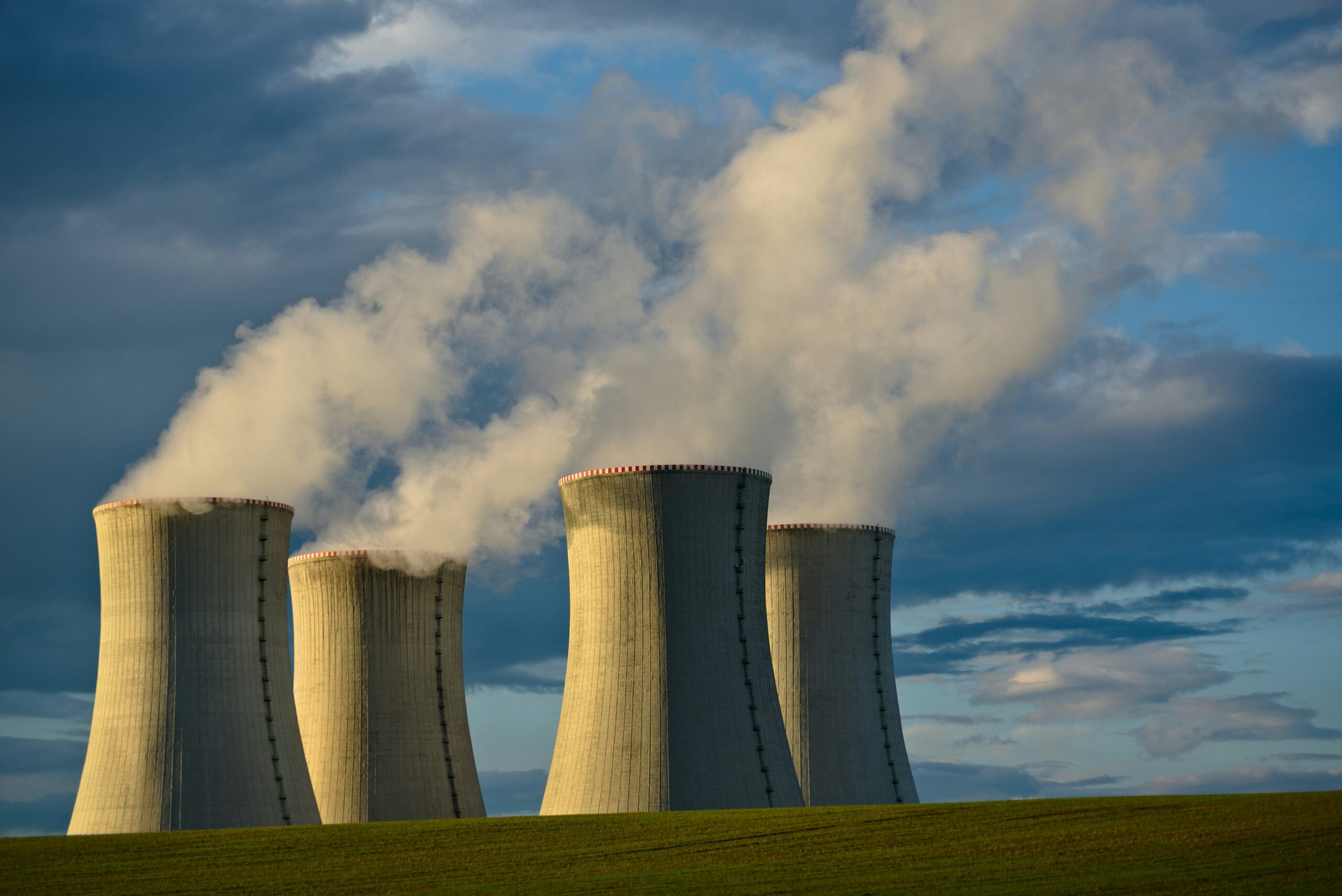
On September 29, the Nuclear Regulatory Commission did something it hasn’t done in nearly a decade. It signed off on a construction permit for a brand new commercial reactor design. The Tennessee Valley Authority can now build a 300 megawatt BWRX-300 small modular reactor at the Clinch River site near Oak Ridge, Tennessee.
It’s the first Clinch River SMR permit the NRC has ever issued, and regulators finished the review four months ahead of schedule. That speed is the real story here.
The Clinch River SMR Permit, Explained
TVA filed its application in May 2025. The NRC spent 14 months on the technical review, not the eight to ten years older reactor applications used to take. NRC Chairman Ho Nieh put it plainly:
“The new NRC can make rigorous and credible safety decisions that enable major American nuclear projects to move forward.”
Here’s why that matters beyond Oak Ridge. Every future BWRX-300 applicant can now point to a tested, repeatable licensing path instead of starting from zero. GE Vernova Hitachi’s fleet-standardization deal with four utilities already banks on exactly this idea. Build the same design over and over, and each permit gets faster and cheaper than the last.
What the BWRX-300 Does Differently
The BWRX-300 isn’t a shrunken version of a 1970s reactor. It cools itself through natural water circulation instead of powered pumps. It leans on passive safety systems that don’t need a human or a backup generator to kick in during an emergency. The design borrows from GE Hitachi’s ESBWR, an already proven boiling water reactor lineage. That head start is part of why regulators could move faster this time.
- A smaller footprint than a traditional 1,000-plus megawatt plant
- Passive, natural-circulation cooling with fewer moving parts to maintain
- Factory-built modules shipped to the site instead of poured and welded on location
Oak Ridge already hosts the TRISO-X fuel plant we covered a few weeks ago. This corner of Tennessee is quietly becoming a hub for the whole advanced reactor supply chain, not just one reactor.
What This Means for Your Power Bill
Picture Priya, a respiratory therapist who works night shifts at a hospital outside Knoxville. Her summer electric bill has climbed two years running. Data centers nearby keep pulling more power off the same grid she relies on, and she’s not alone. Goldman Sachs expects data center electricity demand to roughly double, from 31 to 66 gigawatts, between 2026 and 2027. That demand doesn’t wait for paperwork.
A faster, repeatable licensing path won’t fix Priya’s bill tomorrow. Construction still runs into the early 2030s. But every year shaved off a regulatory timeline is a year sooner that new baseload power reaches a strained grid. That’s one of the few real levers against the price spikes that hit when demand outruns supply. Multiply a four month head start across dozens of future SMR applications. That adds up to years of savings across the industry, not just on one project.
World Nuclear News has the fullest rundown of the engineering details, and the American Nuclear Society notes this is only the second U.S. commercial reactor construction permit issued in nearly a decade. Tennessee Governor Bill Lee called it “the next chapter in our state’s legacy of innovation.”
Watch what happens next. Ontario’s Darlington project already has its own BWRX-300 permit. Poland, the UK, and Canada all have versions of this reactor moving through their own reviews. If Clinch River comes in on time and on budget, expect the rest of that global queue to move a lot faster too.