
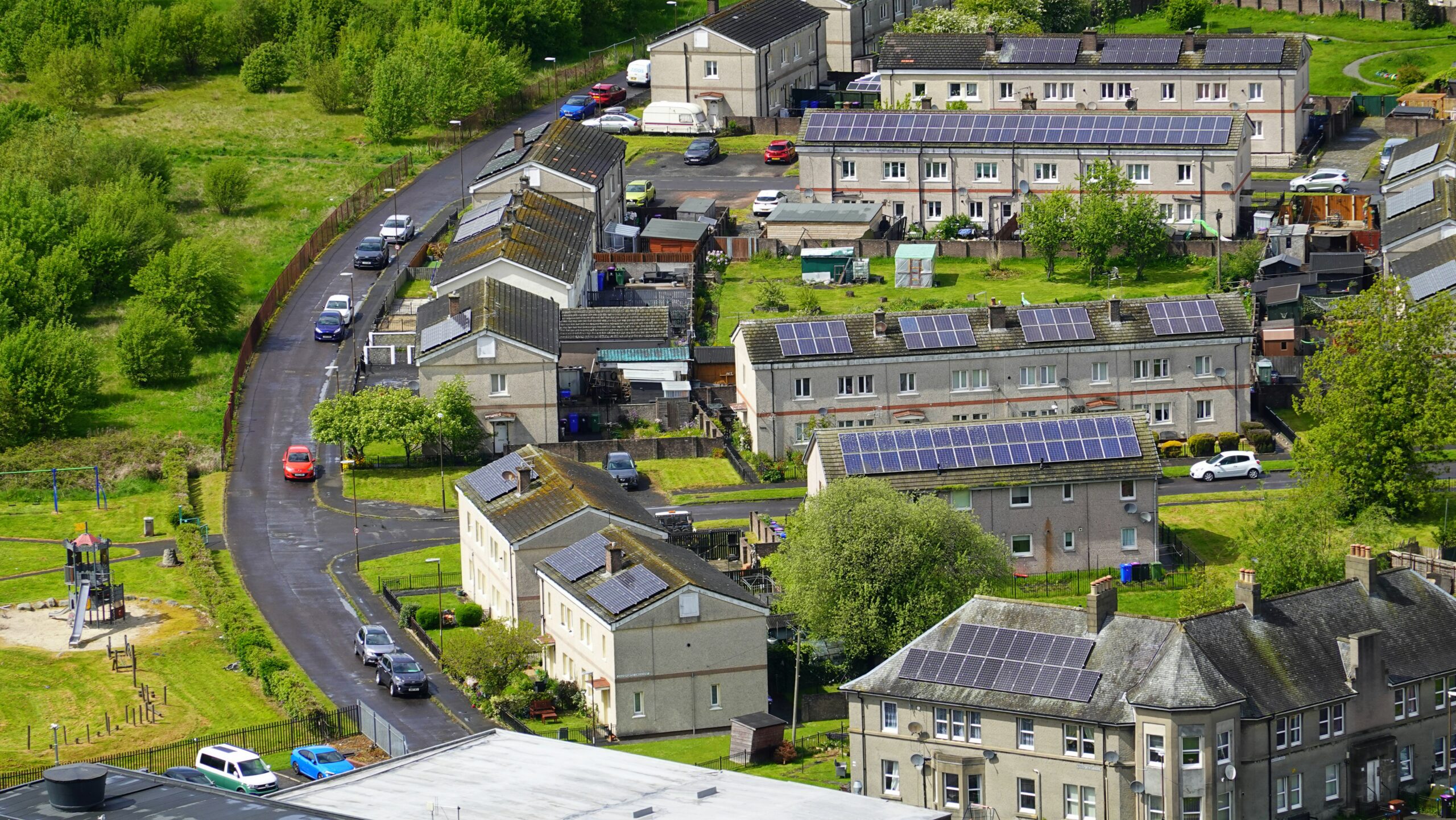
Robert has a home battery and a smart thermostat in his San Jose house, and until this week neither device did much more than sit quietly in the background. Nearly 21,000 home batteries, smart thermostats, and heat pumps across the Bay Area, including his, are about to start acting as one giant power plant. PG&E, Google, and the nonprofit Rewiring America launched the program this week. The bet behind it is simple: coordinate enough small devices at once, and you can do something California’s grid badly needs, which is lower electric bills without building another gas plant.
How the SHARE Program Works
The program is called SHARE, short for Smart Home Assets for Reliability and Efficiency. It doesn’t ask anyone to buy new equipment. Instead, it links up devices homeowners already own, batteries, connected thermostats, and battery-enabled heat pumps, so a utility operator can nudge thousands of them at once during the exact hours when the grid is straining. Eligible households sit in Santa Clara and Alameda counties, and enrollment happens automatically for many customers who already have the right smart devices installed. Google is footing the bill for incentives and technology deployment, so joining costs nothing.
What Robert Actually Gets, and What Everyone Else Gets Too
Homeowners like Robert get paid or credited simply for letting their battery discharge, or their heat pump ease off, during a two or three hour window on a hot afternoon, enough over a summer to offset a real chunk of his electric bill without him lifting a finger once he’s enrolled. Here’s the part that matters even if you never enroll: every PG&E customer benefits. When thousands of batteries and heat pumps shave the peak instead of everyone drawing power at once, the utility avoids firing up its most expensive generation and delays the transmission upgrades that ratepayers would otherwise cover. Lower peaks mean lower costs across the board, not just for households with batteries in their garage.
Why This Matters for the Grid and the Air We Breathe
Peaker plants are gas turbines that some utilities fire up for only a few dozen hours a year, almost always during heat waves. They tend to sit near lower-income neighborhoods that already carry more than their share of air pollution. Every kilowatt that a coordinated home battery supplies instead is a kilowatt a peaker plant doesn’t have to burn. Carrier built the battery-enabled heat pump hardware for the program, while Tesla, Sunrun, and Renew Home supply the software that actually orchestrates thousands of devices in real time. None of it works without California’s 2025 virtual power plant law, which first opened the door for homeowners to get paid for grid services like this.
What Comes Next
PG&E expects SHARE to start supporting the grid as early as fall 2026, and the utility plans to share initial results in late 2026 or early 2027. If the numbers hold up, the model could expand beyond homes into commercial and industrial buildings. For Robert, the whole thing will show up as a smaller number on next summer’s bill and nothing else: no new equipment to install, no app to babysit, just a quieter kind of savings than he expected from a battery he originally bought for backup power.