
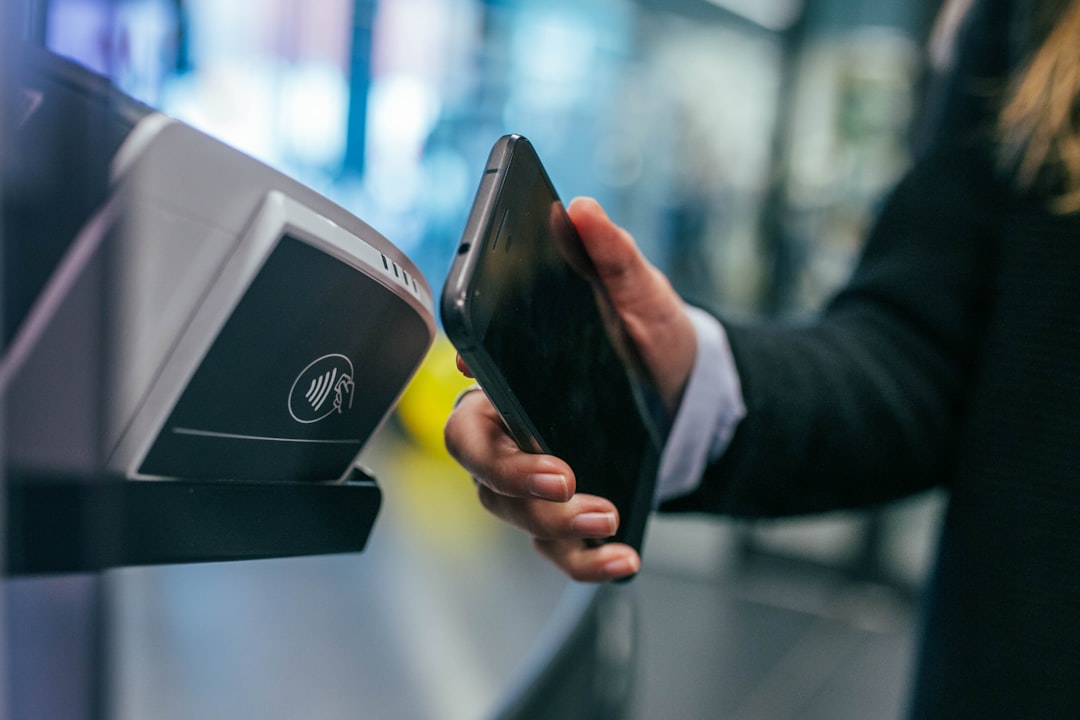
Maria runs a nail salon in Queens. Every card swipe costs her almost 3% in fees, and the money doesn’t land in her bank account for two or three days. A new stablecoin merchant payments partnership aims to close that gap for small business owners like her.
Miracle Pay teamed up with crypto infrastructure firm zerohash on August 26 to let U.S. merchants accept stablecoin payments at checkout, both online and in person. Zerohash handles the conversion, custody, and settlement behind the scenes. A shop owner never has to open a crypto wallet or learn what a blockchain is.
What Changes for Small Business Owners
Here’s what changes for owners like Maria. Stablecoins are digital tokens that track the U.S. dollar one to one, so a customer’s payment keeps its value the instant it arrives. Instead of waiting through the standard one-to-three-day card settlement window, funds move to the merchant’s account in near real time. That difference can mean covering payroll on time instead of scrambling for a short-term loan.
Fees matter just as much as speed. Card processing typically costs small merchants 2% to 3.5% per transaction once interchange, network, and processor markups stack up. On a $100 sale, that’s $2 to $3.50 gone before the owner sees a dime. Stablecoin rails skip most of that stack, since payments settle directly instead of routing through several intermediary banks.
Why Stablecoin Merchant Payments Beat the Card Fee Squeeze
Small businesses live and die by cash flow, not annual revenue. A coffee cart operator who gets paid Tuesday instead of Friday can restock beans before running out. A freelance electrician can pay a helper the same day a job closes instead of floating the cost personally. When money moves at the speed of a text message instead of a bank’s back office, everyday operating decisions get a lot less stressful.
The rollout also matters because it removes the technical barrier that has kept most small merchants away from crypto payments until now. Plenty of blockchain payment tools already exist, but they’ve required merchants to manage wallets, track token prices, and handle their own conversions. Miracle Pay folds all of that into a checkout experience that feels standard, much like Deel’s zero-fee stablecoin payouts already spared freelancers from wrestling with blockchain mechanics on the payroll side.
None of this requires customers to own cryptocurrency. In most setups, the shopper still pays with a card or a linked account, and the stablecoin conversion happens invisibly on the back end. The technology stays out of sight. The settlement speed is what merchants actually feel.
What Comes Next for Merchants
Miracle Pay says the service is rolling out now to U.S. merchants, both physical and online. For a small business owner counting the days until the next card deposit clears, near-real-time settlement isn’t a technical footnote. It’s the difference between paying a supplier on time and eating a late fee. Similar speed gains are already showing up elsewhere in payments infrastructure, including Aptos’s native USDC transfers, which now settle in seconds instead of minutes.
Read the original announcement from GlobeNewswire.