
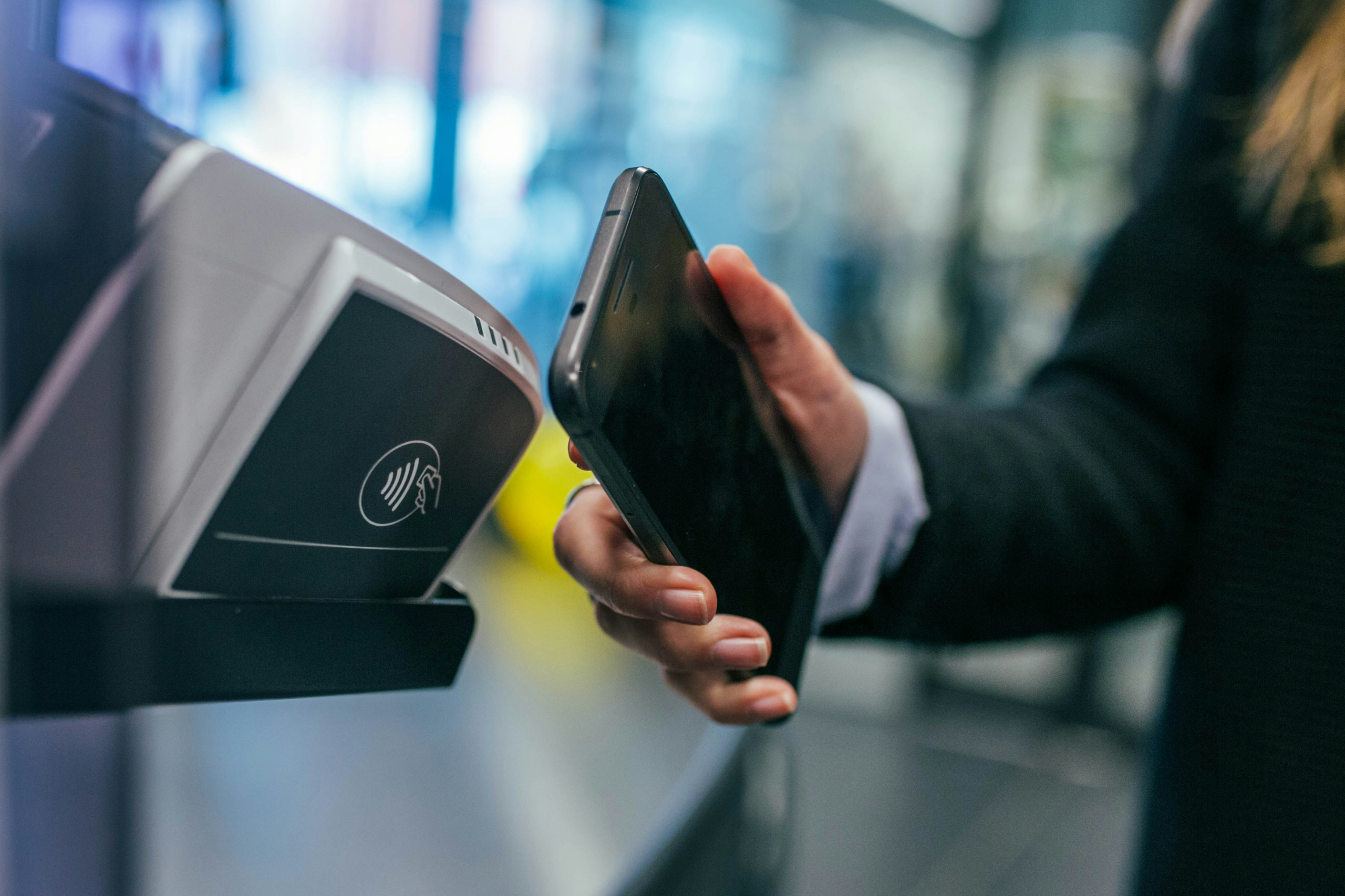
Grocery prices in Argentina can jump before a paycheck even clears the bank. Stablecoin debit cards are giving families a way to dodge that hit, and new data shows the shift is happening fast.
People across Argentina and Brazil now use dollar-backed digital cards to buy groceries, order food delivery, and pay for rides. The card looks and works like any other Visa or Mastercard. It doesn’t pull from a local bank account, though. It draws from a balance held in a stablecoin like USDC or USDT, then converts to pesos or reais automatically at checkout.
The Numbers Show a Real Shift, Not a Trend Piece
Researchers tracked $1.04 billion in stablecoin-funded card spending in July 2026, according to CoinDesk. Platforms like RedotPay, Oobit, and Kraken led the way. That’s more than triple the $306 million spent in July 2025. Shoppers made over 10 million transactions, averaging $86 each. Dollar-backed stablecoins funded 70% of that spending, and USDC alone covered more than half.
The growth runs steepest exactly where the need is greatest. StraitsX powers card infrastructure behind several of these programs. It watched transaction volume in lower-income markets jump 600% between March 2025 and February 2026, four times the 150% growth rate in wealthier markets. In Argentina, 72% of card payments ran through USDT, and 41% went toward food. In Brazil, groceries made up 35% of spending, and users averaged $400 a month across 20 separate purchases.
Why Stablecoin Debit Cards Matter for Everyday Spending
A family holding pesos watches its savings lose value overnight when inflation spikes. Holding a stablecoin balance instead locks that money to the dollar, so a paycheck saved on Monday still buys the same groceries on Friday. The card then lets that dollar balance spend anywhere a normal card works, without a trip to a currency exchange or a bank that limits dollar purchases.
Oobit’s Eduardo Prota leads the company’s Latin America business. He put it simply: “Stablecoins are increasingly doing two jobs at once: helping people preserve value, then letting them use that same balance for everyday expenses.” StraitsX CEO Tianwei Liu made a similar point, noting that “what stands out most is how ordinary the spending has become.”
That ordinariness is the real story. This isn’t crypto trading. It’s a parent buying groceries, a driver topping up on gas, a student paying for a subway ride, all without watching the local currency eat into what they saved.
Where This Is Headed Next
The same dollar stability that’s reshaping everyday spending is already saving families money on remittances in Pakistan. It’s also part of why stablecoin payouts became a safer option for freelancers waiting on paychecks from abroad. Different use cases, same underlying shift: dollar-backed digital money is quietly becoming a tool ordinary people use to protect and spend their own income.
Visa now counts more than 160 stablecoin-linked card programs live or in development worldwide. For families in high-inflation economies, that scale means more banks and apps will likely offer this kind of protection soon, not just a handful of crypto-native platforms.