
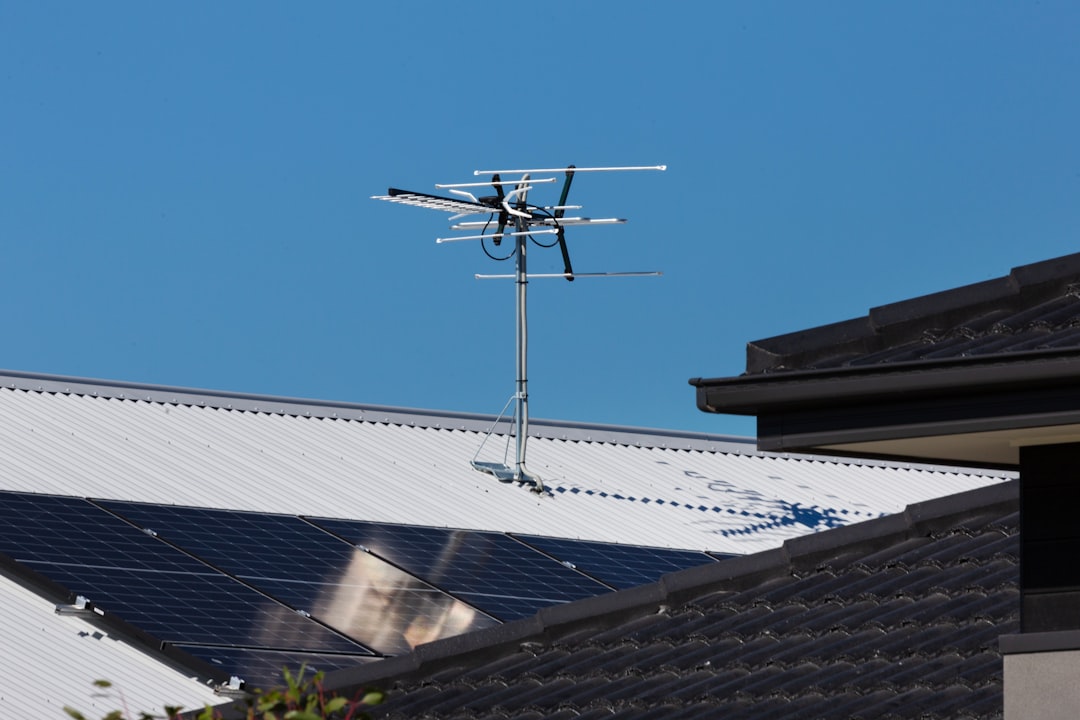
On August 31, rooftop solar hit a new record in South Australia. Panels on ordinary homes supplied 99.9% of the state’s entire electricity demand for a stretch of the afternoon. Grid operators needed just 2 megawatts of backup power to keep the lights on. That’s the smallest amount of conventional generation the state has ever needed. This South Australia rooftop solar milestone didn’t come from one giant power plant. It came from more than half a million ordinary roofs.
A Record Built on Half a Million Rooftops
More than 57% of homes across South Australia now carry solar panels, according to the Australian Energy Market Operator (AEMO). Together, those rooftops generated 2.92 gigawatts of power on August 31, enough to run nearly the whole state without coal or gas. AEMO confirmed the record at 1:30 p.m. local time, on the final day of winter, when sunlight is weaker and demand for backup power usually climbs.
“These records demonstrate how rapidly the electricity system is changing,” AEMO said. Batteries, hydro, and gas now balance that renewable power in real time, the operator noted.
Why South Australia Rooftop Solar Pays Off for Families
Homeowners with solar panels feel the savings first. Every kilowatt-hour they generate is one they don’t have to buy from the grid. Many households sell their extra daytime power back for bill credits, too. Those credits add up to real money saved, month after month.
Renters and apartment dwellers benefit as well, even without panels of their own. When rooftop solar covers nearly all daytime demand, grid operators run fewer expensive gas plants. That eases pressure on wholesale electricity prices for everyone on the grid, not just the households with panels.
Batteries Keep the Power Flowing After Sunset
Solar power fades once the sun goes down, but South Australia’s grid didn’t skip a beat. Batteries across the state charged up during the afternoon solar surge, storing cheap clean power for the evening peak. It’s the same pattern of record battery storage growth that utilities elsewhere are counting on to keep the lights on after dark and avoid blackouts.
The same day set a national record, too. Winter demand on Australia’s National Electricity Market fell to just 11,992 megawatts, the lowest ever recorded. Renewables, rooftop and utility-scale solar plus wind, supplied 71% of the electricity flowing through the market that day.
Cleaner Air Today, More Room to Grow Tomorrow
Every hour that rooftop solar and batteries replace coal and gas is an hour without the soot, smog, and carbon pollution those plants produce. That means cleaner air for people living near power stations and fewer emissions warming the planet for the next generation.
Families elsewhere are already seeing their own version of this shift. In Nevada, a solar savings program is cutting bills for renters who could never put panels on their own roof. South Australia shows where that trend can lead. Ordinary rooftops, not power plants, now carry the grid on a sunny afternoon. Homeowners keep more of their own money instead of sending it to a utility.
None of this means South Australia is done. Winter records prove the system can handle near-total rooftop solar even when sunlight is weakest. As batteries keep growing and more homes add panels, that record will likely fall again. The same people benefit each time: households paying less, and neighborhoods breathing cleaner air.