
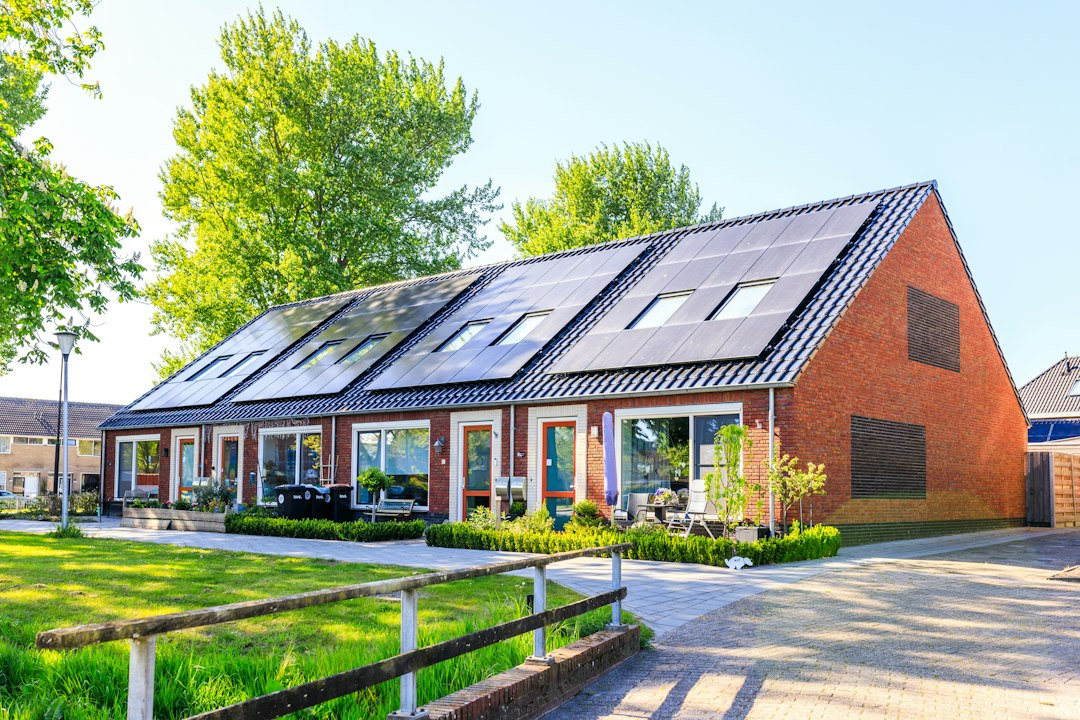
Picture a school bus driver in Fort Wayne, Indiana, who signed up last year for free rooftop solar through a local nonprofit installer. The crew got partway through the job. Then the money disappeared overnight, and the panels sat wrapped in plastic on the lawn for more than a year.
That freeze wasn’t a one-time mix-up. It hit the Solar for All program in nearly every state. On September 21, a federal judge ordered the whole thing fixed. That ruling puts real money back within reach for hundreds of thousands of households.
What the Solar for All Program Actually Pays For
The Solar for All program is a $7 billion fund created under the Inflation Reduction Act in 2022. It sends grants to 60 state agencies, tribes, and nonprofits, who use the money to install rooftop or community solar and battery storage for low-income and working-class households. No six-figure income required. No good credit score needed. Just a qualifying address.
The program guarantees at least a 20% cut to a participating household’s electric bill. Nationally, the EPA projects it will reach more than 900,000 homes and save families $350 million a year once fully rolled out:
| What the numbers show | Figure |
|---|---|
| Total program funding | $7 billion |
| Households expected to benefit | 900,000+ |
| Minimum guaranteed bill reduction | 20% |
| Average savings per household | About $400/year ($33/month) |
| Combined annual savings nationwide | $350 million |
| Estimated savings over a 25-year system life | $8 billion+ |
Thirty-three dollars a month sounds small until you’re choosing between a full tank of gas and a lighter grocery cart. A lower power bill removes exactly that trade-off.
Why the Money Nearly Disappeared
In August 2025, the EPA canceled Solar for All entirely, with only $53 million of the $7 billion out the door. Contractors laid off crews. Approved homeowners sat waiting, panels or no panels.
Rhode Island’s AFL-CIO and a coalition of legal aid groups sued that October. They argued Congress had already obligated the money, so the agency had no authority to claw it back. U.S. District Judge Mary S. McElroy agreed. Her September 21 ruling found the EPA had acted “contrary to congressional intent” and ordered the funding fully restored.
“Our low-income clients continue to face ever-escalating housing and utility costs. This is a major step toward restoring an important path to utility affordability.” (Jennifer L. Wood, Executive Director, Rhode Island Center for Justice)
In Indiana alone, installer Black Sun Light Sustainability had shelved solar for 1,000 households. That pause also scrapped roughly 200 local jobs worth $9 million in wages. The EPA says it’s still weighing an appeal, so this isn’t fully settled, and plenty of qualified families are still watching their mailboxes.
What This Means If You’re Not in Indiana or Rhode Island
Maybe your electric bill runs too high some months. Maybe you rent, or your roof has never seen a solar quote. This program targets you, not people who can already afford $20,000 in panels. It also funds community solar for renters and apartment dwellers with no roof of their own, the same setup already paying off for neighbors in South Everett.
Every state, tribe, and territory with an existing Solar for All grant should now be able to resume work, much like a Minnesota tribe that recently won the right to power its own facilities with solar. NRDC is tracking what happens next state by state, worth a look if you want to check on your own state’s award. You can also read the original court-ruling coverage from pv magazine USA.
Court wins like this one are real, but they’re not final until the checks clear and the panels go up. If you or someone you know applied through a state or local Solar for All program, call your installer or state energy office this month and ask where things stand. Don’t wait for a press release to tell you the money moved.