
- Rolls-Royce SMR and ABB agreed on September 8, 2026 to collaborate.
- It is a memorandum of understanding, not a contract.
- No contract value, product list or timetable has been named.
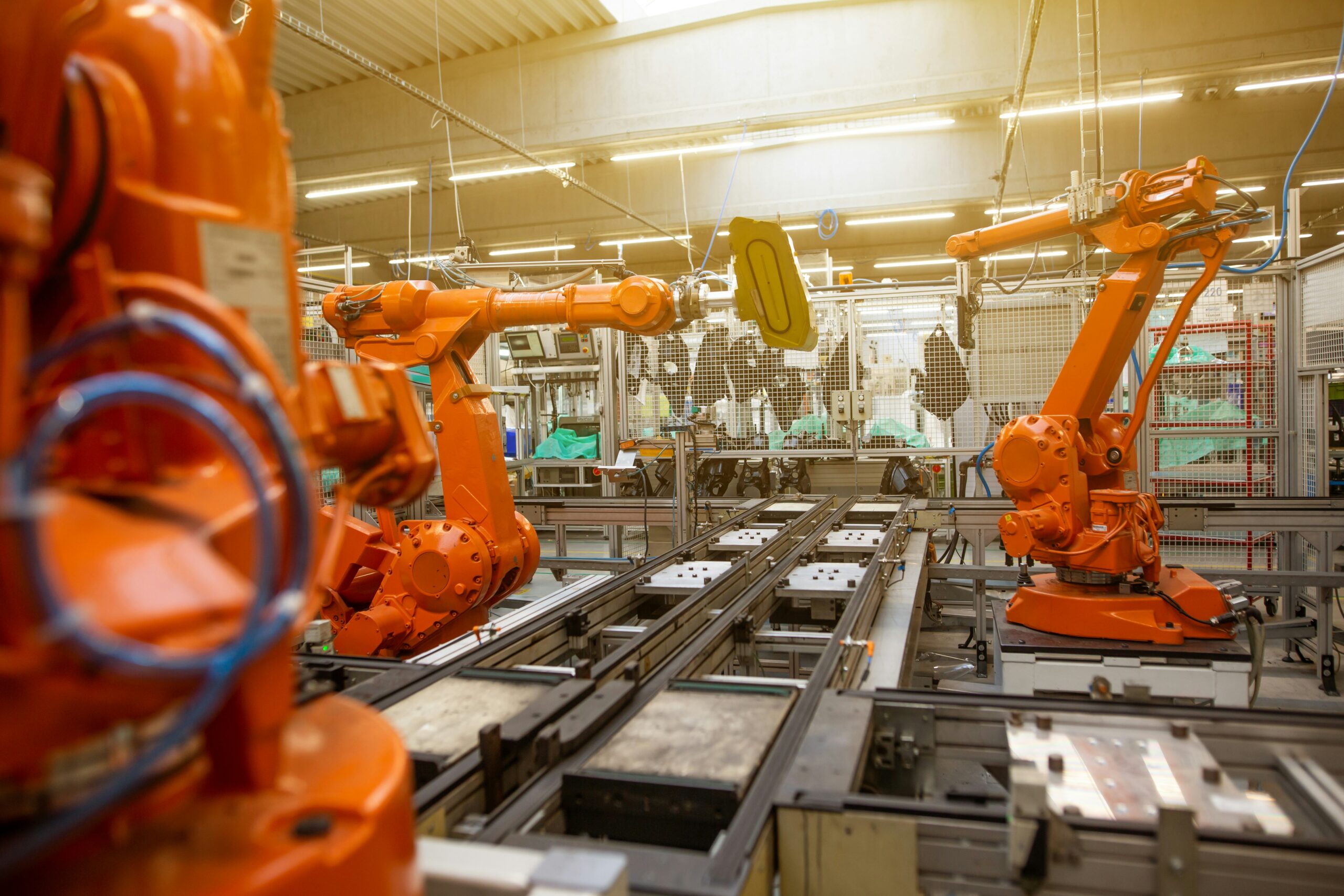
- ABB will explore how its automation and electrification systems can help the planned reactor fleet scale.
What the two companies agreed
World Nuclear News reports that ABB will explore how its automation, electrification, instrumentation and communication solutions, across its three business areas, can help Rolls-Royce SMR’s planned fleet scale. The work will run through ABB’s UK operations, headquartered in Warrington.
ABB’s Energy Industries president Per Erik Holsten said, “Partnerships along the energy value chain are instrumental for accelerating the commercialisation” of advanced nuclear technologies. Rolls-Royce SMR’s Stacy O’Brien said ABB has “a long and impressive record of delivering automation and electrification solutions to energy infrastructure projects.”
The headline is modest: two companies agreed to explore working together. Whether that becomes a supply contract is not yet known.
The Rolls-Royce SMR is a 470 MWe pressurized water reactor design. About 90 percent of each unit, roughly 16 m by 4 m, is built in factory conditions, and on-site work is mainly assembling pre-fabricated, pre-tested modules. World Nuclear News says this reduces project risk and may shorten build schedules. Control, power and communication systems are part of what has to be standardized for that approach to work across many units. Large nuclear projects have often run over budget on site, and moving work into a factory is one answer. Whether it saves money has to be shown by actual builds, and none of these units exists yet.
Where the fleet stands
The UK government named Wylfa, on Anglesey, as the site for three Rolls-Royce SMR units, and the site could potentially host up to eight. Rolls-Royce SMR signed a contract with Great British Energy – Nuclear in April to begin site-specific design and delivery work. For the first UK project, the company was chosen in June 2025 as the preferred technology, with a final investment decision expected in 2029.
In the Czech Republic, ČEZ selected Rolls-Royce SMR in October 2024 to deploy up to 3 GW and took a 20 percent stake in the company. The first unit is planned near Temelín. Other vendors are lining up suppliers too. See how TerraPower is building its Natrium supply chain.
Who Benefits and How
This is a business-to-business step. Nobody can buy or use anything from it today, and the sources do not link the MoU to any effect on electricity bills. The direct beneficiaries, if it turns into a contract, would be the two companies and the reactor projects at Wylfa and in the Czech Republic. Ordinary electricity customers would only benefit indirectly, later, if factory-built reactors do get built on a shorter schedule.
What the numbers don’t show
- The ABB agreement is an MoU. No financial terms, duration or specific ABB products were disclosed.
- The “about 90 percent factory-built” figure describes the design as reported by World Nuclear News. It has not been demonstrated at scale.
- Wylfa and the Czech sites are still in development, and a final investment decision for the first UK project is not expected until 2029.
- Claims that factory building cuts cost or schedule are expectations, not measured results.
Quick answers
Is this a contract?
No. World Nuclear News describes a memorandum of understanding under which the companies will explore collaboration.
What will ABB supply?
The announcement names categories only: automation, electrification, instrumentation and communication solutions. No specific products are listed.
When could the first unit operate?
No operating date is given in the source. A final investment decision for the first UK project is expected in 2029. The design itself is a 470 MWe pressurized water reactor, per World Nuclear News.