
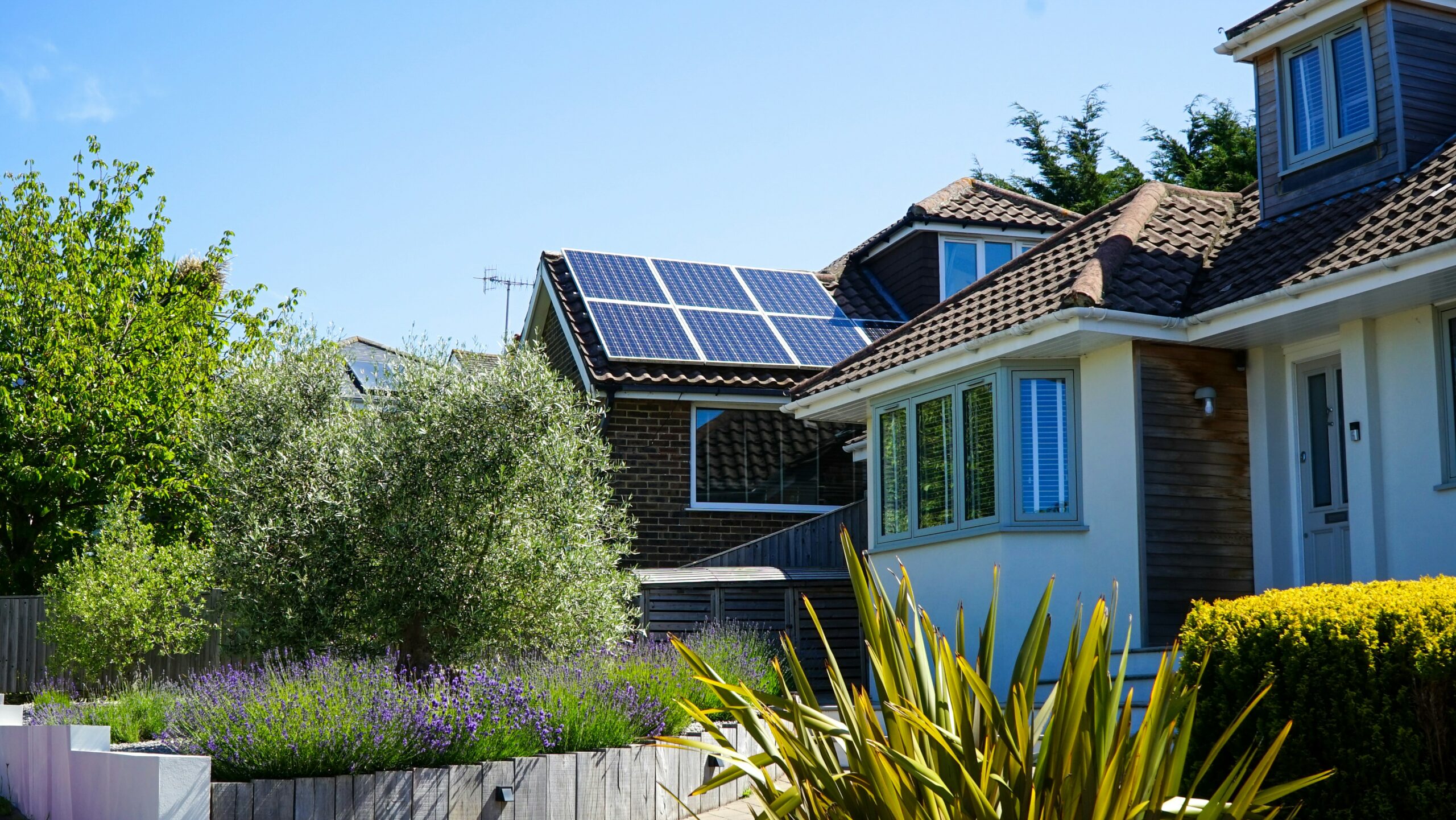
- Roanoke City Public Schools is building solar-and-battery microgrids at Patrick Henry and William Fleming high schools, both designated emergency shelters.
- Each site gets 1 megawatt of solar and 4 megawatt-hours of battery storage.
- Local reports call it the first such K-12 system in Virginia. It sits inside a program putting solar on roughly 30 school sites.
- Completion dates range from the end of 2026 to July 2027, so the systems may not be running yet.
Two shelters and a district-wide rollout
Each of the two high schools will host 1 megawatt of solar and 4 megawatt-hours of battery storage, according to Cardinal News and Microgrid Knowledge. The developer, Secure Solar Futures, will install them under a 25-year power purchase agreement, so the district does not buy the equipment. Funding includes a $450,000 grant from the Virginia Department of Emergency Management’s Shelter Upgrade Assistance Fund and $2.1 million from Secure Solar Futures. Local reports say the district pays nothing up front. Microgrid Knowledge also reports that the grid-connected systems will sell storage services to PJM, the regional grid operator, with no revenue figure given.
Jeff Shawver, the district’s senior director of school plants, told Canary Media how the backup works. The school runs on the battery until it is drained. Then diesel generators start. Solar recharges the battery the next day. The batteries should therefore cut generator run time, but they do not replace the generators in a long outage.
Outside the two microgrid sites, Secure Solar Futures plans about 10.1 megawatts of solar at other district schools, including elementary and middle schools, according to Microgrid Knowledge. Canary Media reports nearly 9.4 megawatts across 29 sites, and Cardinal News counts 32 school buildings. The sources differ on scope and counting method, so treat the totals as approximate. Canary Media says the arrays should cover 44% of the schools’ energy needs. Roanoke serves about 14,000 students. Many installations include new roofs, and Shawver says most schools should get roofs with at least a 25-year warranty. Secure Solar Futures also plans clean energy training for high school students.
Why the savings figures differ
Four different numbers are in circulation, and they measure different things.
| Figure | What it covers | Source |
|---|---|---|
| More than $22 million over 35 years | Projected cut in electric bills from the solar arrays | Canary Media |
| About $24 million | Capital costs the district expects to avoid because roofs are replaced as part of the deals | Canary Media |
| $46.5 million over 35 years | District estimate for solar, as reported in the Generation180 school solar report coverage | Electrek |
| $60.2 million over 35 years | Avoided utility and roof costs across 32 buildings | Cardinal News, Microgrid Knowledge |
The $22 million in bill savings and the $24 million in avoided roof costs are separate things, so the first is not the whole saving.
Why It Matters to You
For families in Roanoke, the gain is a school shelter that can keep power on during an outage with less diesel, and a district that expects to spend less on electricity and roofs. It is under construction rather than proven, and the sources give no hours of backup. Other districts with shelter schools could watch how it performs.
What the numbers don’t show
- Every savings figure is a projection over 35 years, not a result. None is an audited outcome.
- The savings figures cover the rooftop solar program, not the microgrids. Reports give no separate cost or payback for the batteries.
- Timelines conflict. Microgrid Knowledge says construction should finish by the end of 2026. Cardinal News quotes the developer expecting installation by July 2027.
- The 44% figure refers to the participating schools’ energy needs, not to all district power or the two shelters alone.
- Battery run time during an outage depends on the load, and the sources give no hours of backup.
Quick answers
Are the microgrids running now?
Not confirmed. Reports from February and September 2026 describe the batteries as planned, with completion dates ranging from the end of 2026 to July 2027.
Who pays for the microgrids?
A state emergency management grant of $450,000 and $2.1 million from Secure Solar Futures cover them, according to local reports. The district’s costs are expected to be offset by energy savings and market revenue.
Will the schools stop using diesel generators?
No. The district says generators start after the battery is drained. The goal is to run them less often.
Sources
- Canary Media: A Virginia school district pioneers solar and battery microgrids (Sep 8, 2026)
- Cardinal News: Roanoke school division receives grant for solar-powered microgrid (Feb 26, 2026)
- Microgrid Knowledge: Microgrids Bolster Roanoke City Public Schools’ Emergency Shelter Capabilities, Lower Utility Costs (Feb 27, 2026)
- Electrek: 1 in 7 US students now goes to a solar-powered school (Aug 28, 2026)