
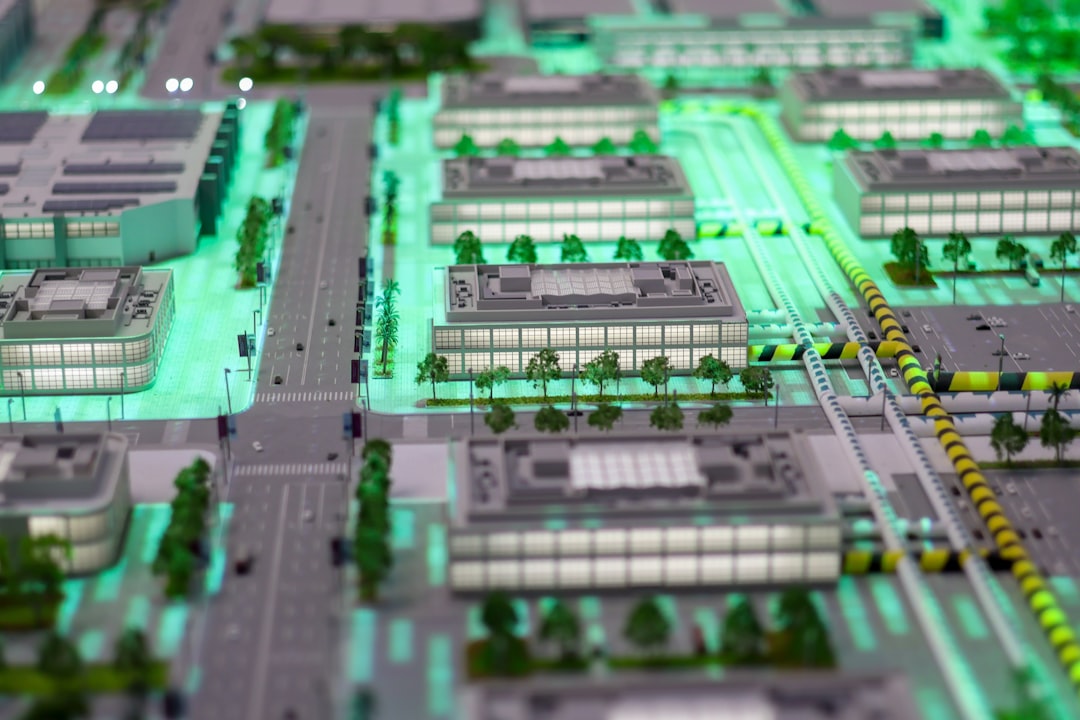
Phoenix drivers are catching more green lights this month, and it’s not luck. The city’s new Phoenix AI traffic signals are reading real-time traffic instead of running on fixed timers, and the early results are hard to ignore: afternoon commutes near downtown are already running 29% faster.
Picture Renata, who leaves her downtown Phoenix office at 5:15 every day to make a 5:45 daycare pickup across town, where a single mistimed light used to mean a late fee. That change matters most to people like her, who never think about traffic engineering until they’re stuck in it. Commuters heading home after work, parents picking up kids before daycare closes, and delivery drivers trying to hit their next stop all lose real time sitting at lights that don’t know a game just let out or a crash just happened two blocks away. Phoenix’s new system is built to notice.
How Phoenix AI Traffic Signals Help Drivers and Walkers
The city partnered with traffic-tech company NoTraffic to install sensors at intersections that track cars, bikes, and pedestrians as they arrive, then adjust signal timing on the spot. No more sitting at a red light for a cross street with zero traffic. Phoenix has already seen red-light running drop 70% at upgraded intersections, and pedestrians now wait 17% less time to cross. Fewer people running reds and fewer people stranded on a curb both add up to safer streets for everyone who walks, bikes, or drives through the city.
Twenty-five of the new signals are going in downtown, right around Chase Field and the Mortgage Matchup Center, where event traffic can turn a 10-minute drive into a 40-minute crawl. The city also plans another 16 near Loop 101 on the north side. That’s real relief for the neighborhoods that deal with stadium gridlock dozens of nights a year.
Stretching a Small City Staff Further
Phoenix manages roughly 1,300 traffic signals citywide with just six staff members. That math doesn’t work without help. Smart signals let a handful of engineers monitor conditions across the whole grid instead of manually re-timing lights block by block, so city crews can focus their limited hours where problems actually show up. It’s the kind of quiet efficiency gain that stretches a tight public-works budget without raising anyone’s taxes.
There’s an environmental upside too. Less idling at red lights means less exhaust, and Phoenix estimates the emissions cut so far equals taking about 200 cars off the road for a year. For a city that already deals with serious summer heat and air-quality days, fewer idling engines is a welcome bonus on top of shorter drives.
Phoenix isn’t alone in this shift. Cities are increasingly leaning on AI tools like Menlo Park’s city services chatbot to help small staffs serve more residents, and the same staffing math is showing up in how AI is speeding up housing permit reviews in cities nationwide. Traffic signals are just the latest place where software is doing the busywork so people get faster results.
None of this requires residents to download an app or change their routine. Drivers just notice their commute feels shorter, pedestrians notice the walk signal comes sooner, and city budgets notice the staff can cover more ground. For someone like Renata, the smart traffic light does not know her name or her deadline. It just happens to turn green a little sooner, and that is enough.
Read more about the rollout from AZFamily’s original coverage of Phoenix’s AI traffic signal expansion.