
What if the fastest way to build new nuclear power isn’t to build somewhere new at all?
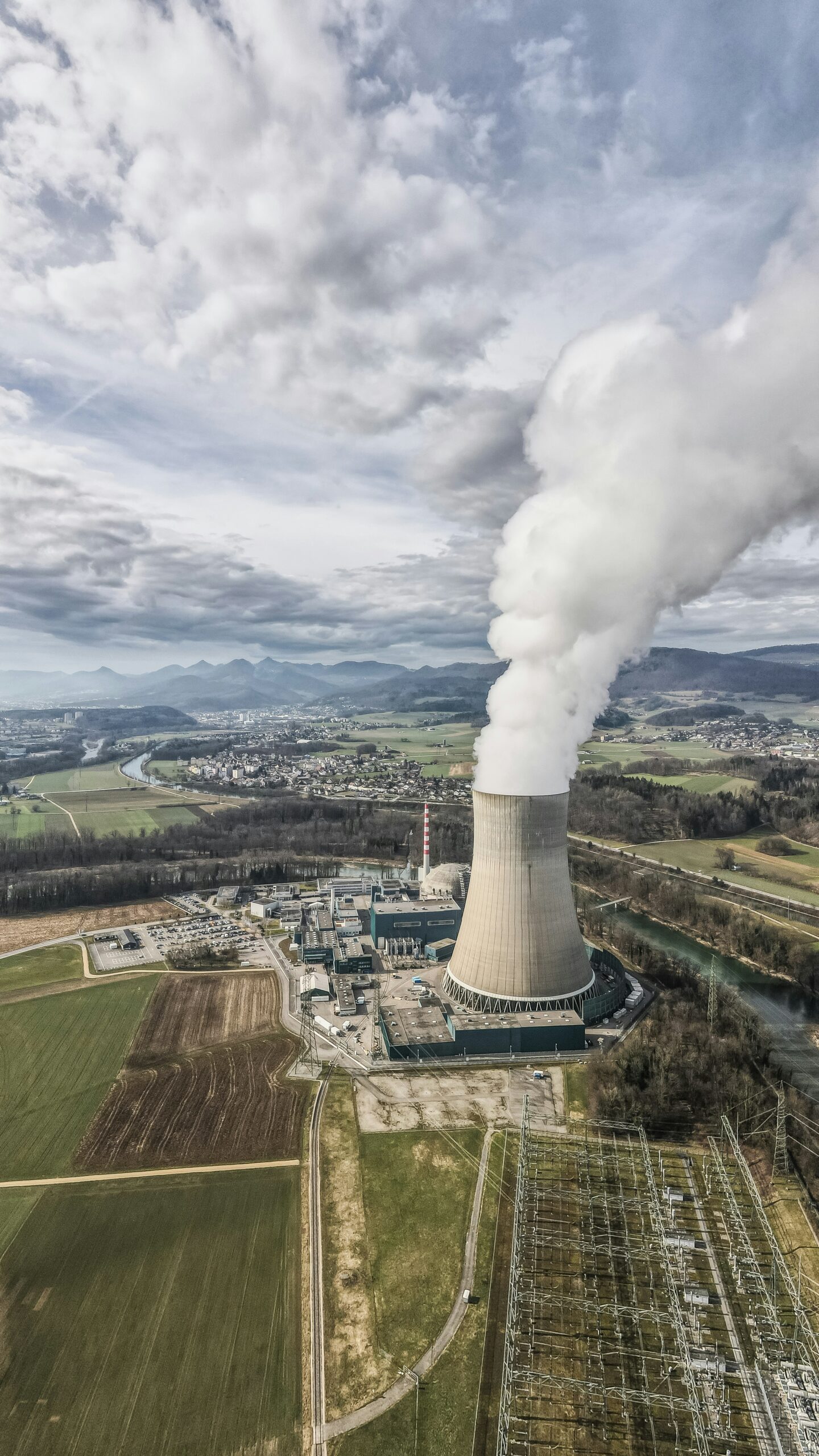
Holtec International just bet on that idea with its Palisades SMR-300 project in Covert Township, Michigan. On October 2, it filed the second part of its NRC construction permit application for two new reactors at the Palisades Energy Center. The filing could add 680 megawatts of nonstop power to Michigan’s grid, built beside a reactor that first ran in 1971 and restarted just last year.
What Holtec Filed for the Palisades SMR-300 Project
The new document is a Preliminary Safety Analysis Report, or PSAR: the technical rulebook regulators read before anyone pours concrete. Holtec called it the most significant step yet for the project, known as Pioneer 1 and 2.
“This submittal was preceded by numerous pre-submittal engagement meetings with the NRC and sustained rigorous technical interactions.”
Slow, steady regulatory back-and-forth moves a reactor forward, not a press release. Here’s where things stand:
- December 2025: work authorization and environmental report filed.
- October 2026: PSAR filed, the news here.
- December 2026: NRC’s draft safety evaluation due.
- Early 2030s: Pioneer 1 and 2 targeted to feed the grid.
Another small reactor project just cleared its own permitting marathon in record time, and Holtec wants that same speed.
Why Reusing an Old Nuclear Site Changes the Math
Here’s the part I find genuinely clever. Holtec isn’t clearing a field and stringing new power lines across someone’s farmland. Palisades already has a working switchyard, a cooling water intake, and more than 1,500 trained employees and contractors on site, which can save years and tens of millions of dollars over starting from scratch.
Holtec also controls roughly 75% of its own manufacturing supply chain, says Patrick O’Brien, the company’s government affairs lead. That matters, since outside-supplier cost overruns have sunk other nuclear projects lately. The DOE backed the approach with a $400 million award for faster deployment.
The Safety Design Hiding Inside the Paperwork
The SMR-300 runs on pressurized water, the same proven technology humming in reactors nationwide. Holtec simplified the plant around it rather than reinventing the physics.
The core sits deep underground in steel and concrete, submerged in a reserve of water. Early designs cooled by gravity alone, with no pumps. After NRC feedback, Holtec added conventional pumps for more power, while keeping gravity-fed cooling as a backup that needs no operator and no electricity. Other small reactor makers chase similar fail-safe designs, but Holtec leans on gravity, not backup generators. Factory-built components with robotic welding mean fewer field errors and a shorter schedule.
What This Means for Your Electric Bill
Picture Marcus, a retired autoworker in Benton Harbor, twenty minutes from Palisades. His wife relies on a CPAP machine every night, so a summer storm knocking out power worries him more than it used to. He also watches his bill creep up every August when the whole region cranks its air conditioning at once.
Steady nuclear output helps both worries. More baseload power means utilities lean less on pricey gas plants during demand spikes, and those spikes are exactly what shows up as a rate hike on a July bill. Nuclear fuel costs barely move when gas prices jump in a cold snap. Reusing an existing site could also get these reactors running years sooner than a bare field would, which matters as EVs, heat pumps, and data centers pull harder on the Midwest grid.
None of this is locked in; a filing isn’t a finished reactor. But Holtec cleared a real hurdle this week, not just a paperwork one. Watch whether the NRC’s December safety evaluation holds that timeline. If it does, Pioneer 1 and 2 could prove that reusing America’s nuclear sites is the fastest route to new carbon-free power the country has.