
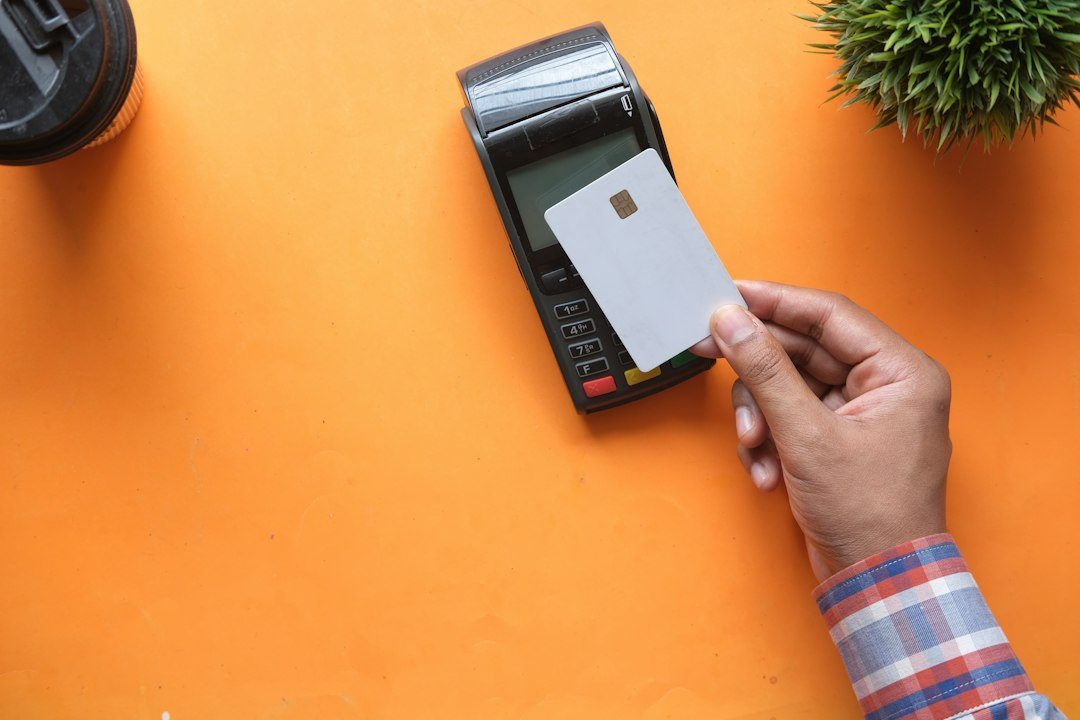
Picture Mateo, a line cook in Phoenix, Arizona. Every other Friday, he sends $300 home to his mother in Guadalajara, Mexico. For years, a chunk of that money disappeared into fees and a bad exchange rate before she ever saw a peso. Mexico’s newest stablecoin card, launched this month by the fintech Orbi, aims to stop that leak.
On October 8, 2026, Orbi teamed up with Mastercard and SoFi Technologies’ infrastructure arm, SoFi Tech Solutions, to roll out a card that lets people in Mexico hold, spend, and withdraw digital dollars. Orbi is the first crypto-focused company to issue cards through SoFi’s bank-sponsorship program in that country.
What Orbi’s Stablecoin Card Actually Lets People Do
Orbi customers can carry a balance in pesos or in a dollar-backed stablecoin, and the card picks which one to pull from at checkout. Spend pesos one day, spend digital dollars the next, whichever makes more sense.
- Pay with a physical or virtual Mastercard, in stores or online, anywhere Mastercard is accepted in Mexico.
- Pull cash from an ATM through Mastercard’s Mexico Domestic Switch.
- Hold digital dollars instead of pesos, so a weak peso week doesn’t shrink money already sitting in the account.
SoFi handles the card issuing, transaction approval, and compliance behind the scenes. Orbi co-founder Leonardo Perez framed the goal as giving people a familiar way to use money that holds its value.
People in Mexico should be able to use digital dollars “wherever Mastercard is accepted.”
The Real Money at Stake
Mexico is one of the biggest remittance markets on Earth. Families there received about $5.47 billion in June 2026 alone, according to Banco de México figures, up more than 4% from a year earlier. Most of that money still travels the old way, through wire services and storefront cashiers that typically take around 5% of every transfer.
Run the math on $1,000 sent home over a year in smaller chunks, and roughly $50 vanishes in fees alone, before any bad exchange rate even gets counted. A card that lets someone hold stablecoins and spend them directly skips several of those toll booths.
| Method | Typical cost on $1,000 sent | Who takes a cut |
|---|---|---|
| Storefront wire transfer | About $50 to $60 | Sender’s cashier, receiver’s cashier, exchange-rate markup |
| Bank wire | About $25 to $45 | Sending bank, correspondent bank, receiving bank |
| Stablecoin-linked card (estimated) | Not yet disclosed, expected to run lower | Card network, stablecoin issuer |
Orbi and Mastercard haven’t published exact fees yet. That detail is worth watching closely once the card actually reaches customers.
Who Actually Benefits Here
Think about who really sends and receives this kind of money.
- A nurse working night shifts in Texas, wiring part of her paycheck to an aunt in Oaxaca.
- A freelance illustrator in Mexico City, billing a client in Chicago in dollars and watching the peso chip away at that income before she can spend it.
- A grandfather running a small hardware store in Puebla, tired of card processors that only speak pesos.
All three get the same new option: a Mastercard that can carry dollars instead of pesos, spend like any normal card, and pull cash from an ATM when digital money needs to become cash in hand.
Orbi isn’t inventing demand here. The crypto exchange Bitso found that stablecoins made up 40% of crypto purchases across Mexico, Argentina, Brazil, and Colombia in 2025, more than bitcoin’s 18% share. People in these markets aren’t chasing speculation. They’re chasing dollars they can trust.
What to Watch Next
Three things will decide whether this card actually changes anyone’s budget: the fees Orbi charges to convert stablecoins into pesos, how fast the rollout reaches everyday customers beyond an early pilot, and whether rivals like Jeeves’ stablecoin payment rails or Stripe’s newly expanded stablecoin cards push Orbi to compete harder on price. Payment Expert’s coverage of the launch notes that Orbi is the first crypto-native issuer in SoFi’s Mexican bank-sponsorship program, which means competitors could follow fast.
If you send money to Mexico regularly, ask your remittance provider this month exactly what it charges, in dollars, not percentages. Then watch whether a card like this beats that number once real fees show up. That’s the only test that actually matters.