
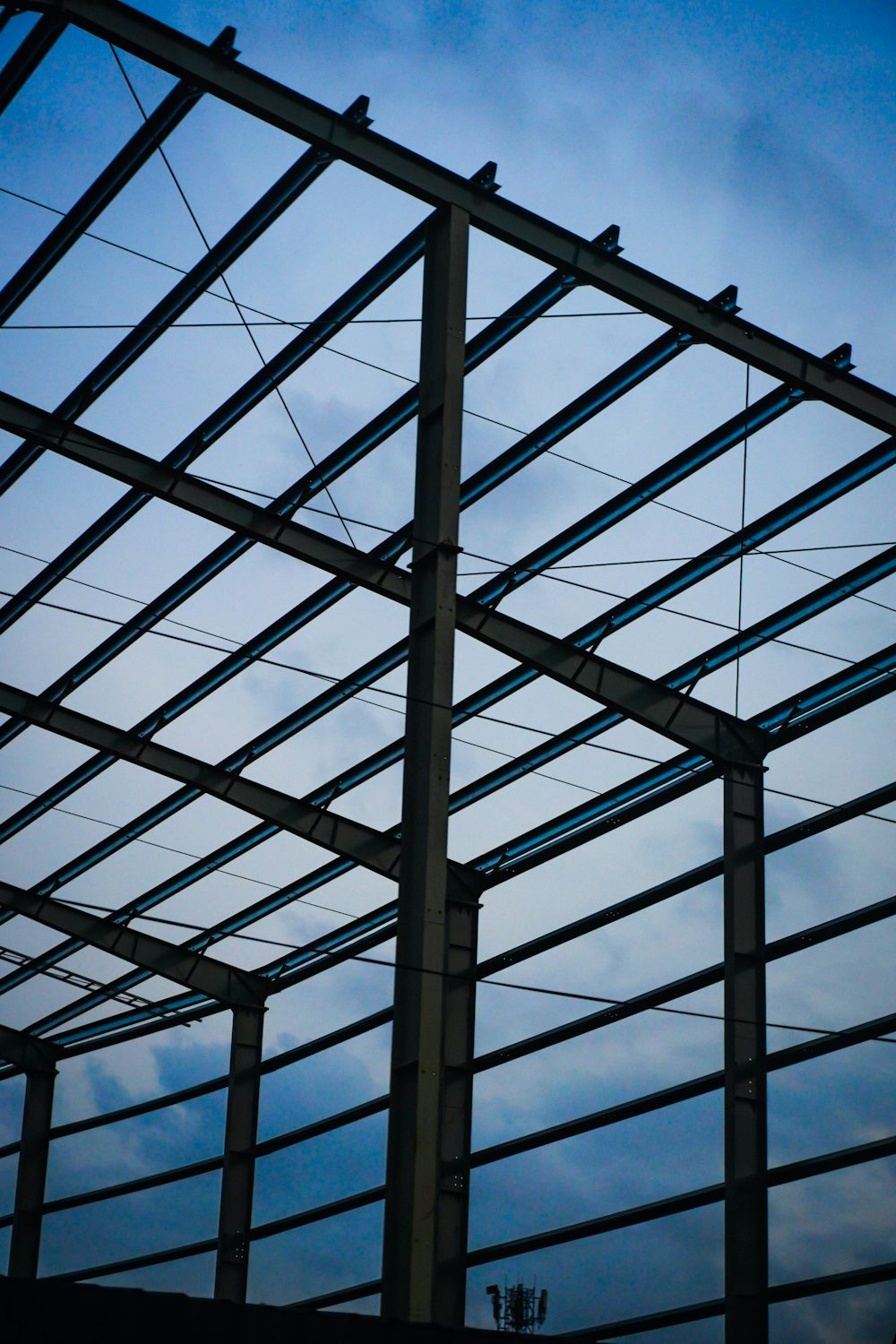
Seven weeks. That’s how long it took an empty patch of ground at Idaho National Laboratory to turn into a frame of rising structural steel. On November 11, Oklo announced on social media that Aurora-INL’s structural steel and concrete are now in place at the Idaho site where the company is building a working version of its Aurora fast reactor. Two days later, Oklo’s own third-quarter investor presentation backed up that construction update with dated photos tracking the site week by week. The American Nuclear Society’s Nuclear Newswire independently reported the same milestone on November 16.
Nobody at Oklo is calling this a finished reactor. It’s a construction site turning into a building, with specific, verifiable steps still ahead before anything generates power.
Aurora-INL’s Structural Steel Goes Up, Week by Week
Oklo’s own construction photos make the pace easy to follow. On September 14, crews were still leveling ground and pouring early foundations. By October 5, the administration building’s foundation was taking shape. By November 4, structural steel was going up across the reactor area, and workers had started placing safety-related rebar, the steel bars that get embedded in concrete before it’s poured around a plant’s most sensitive systems. Reactor-area excavation is now complete, according to Oklo’s investor materials.
Aurora-INL isn’t the only Reactor Pilot Program project moving this fall, either. A few buildings over at INL, fellow program participant Antares cleared its own DOE safety gate for a different microreactor, Mark-1, after fully disassembling the test unit it used to reach criticality earlier this year.
Why It Matters to You
Aurora-INL won’t power a single home yet, and Oklo hasn’t claimed otherwise. Three things still make this update worth noticing, even if you live nowhere near Idaho.
Start with jobs. When Oklo broke ground in September 2025, the company said the project was expected to create around 370 construction jobs, plus 70 to 80 permanent, highly skilled roles once the plant is running. Those are the company’s own projections for a site that’s still under construction, not a hiring announcement.
Then there’s power supply. Aurora-INL is designed to produce 75 megawatts, a small fraction of what a typical large power plant generates. By itself, it won’t move anyone’s electric bill. What it offers instead is a real-world test: physical proof that a fast reactor running on recycled nuclear material can go from a groundbreaking ceremony to rising steel in about 14 months.
Finally, there’s precedent. If a federal accelerated-licensing pathway can produce actual poured concrete this quickly, it strengthens the case other advanced reactor developers are making to regulators and investors, in Idaho and beyond.
The Four Gates Still Between Here and Startup
Oklo’s own investor materials break the remaining work into four tracks, each with a distinct next step before Aurora-INL can load fuel.
| Workstream | Progress So Far | Next Gate |
|---|---|---|
| Site construction | Reactor-area excavation complete; structural steel and safety-related rebar underway | Continued reactor-area construction and equipment installation |
| Procurement | Component requests for proposals released, vendors selected | Equipment delivery, fabrication, and integration |
| DOE authorization | Preliminary Documented Safety Analysis approved | Documented Safety Analysis, readiness review, startup authorization |
| Fuel | Recovered EBR-II material secured; fuel fabrication facility under construction | Fuel fabrication and qualification for the first reactor core |
Source: Oklo Inc., Third Quarter 2026 Company Update.
Frequently Asked Questions
Is Aurora-INL generating electricity yet?
No. The site has structural steel and foundation work in place, but Oklo still needs the Department of Energy’s final Documented Safety Analysis and a separate startup authorization before it can load fuel. Oklo’s own project page lists 2028 as its current target for commercial deployment.
What’s the difference between the preliminary and final safety analysis?
The Preliminary Documented Safety Analysis, which Aurora-INL already has, reviews the project’s planned hazards, accident scenarios, and safety controls on paper. The final Documented Safety Analysis checks that the plant as actually built matches those plans, and it’s the step regulators require before fuel loading and startup.
What We Don’t Know Yet
- Oklo hasn’t disclosed a construction cost for Aurora-INL, unlike the roughly $65 million the company has publicly attached to its smaller Groves-1 test reactor in Texas.
- No firm date has been announced for either the final Documented Safety Analysis or the readiness review that follows it.
- DOE’s Reactor Pilot Program authorization is separate from, and doesn’t replace, the Nuclear Regulatory Commission licensing Aurora-INL will eventually need for full commercial operation.
- “Structural steel in place” describes the building’s frame, not the reactor’s internal components, which haven’t been installed yet.
Watch the next investor update for one specific phrase: major reactor components installed. Oklo says that’s the goal for the next 12 months. Steel beams are one kind of progress. A vessel built to hold liquid metal coolant and nuclear fuel is another, and it’s the milestone that will actually say whether Aurora-INL is still on pace for 2028.
Sources
- Oklo Inc.: Third Quarter 2026 Company Update (Nov. 13, 2026)
- Nuclear Newswire: Oklo roundup: Groves-1 plans, Centrus contract, Aurora concrete (Nov. 16, 2026)
- Oklo Inc.: Idaho project page (accessed Nov. 20, 2026)
- Oklo Inc.: Oklo Breaks Ground on First Aurora Powerhouse (Sept. 22, 2025)
- World Nuclear News: Oklo breaks ground for first Aurora powerhouse (Sept. 2025)
- U.S. DOE Idaho Operations Office: Aurora-INL Limited Construction Activities, NEPA Categorical Exclusion Determination