
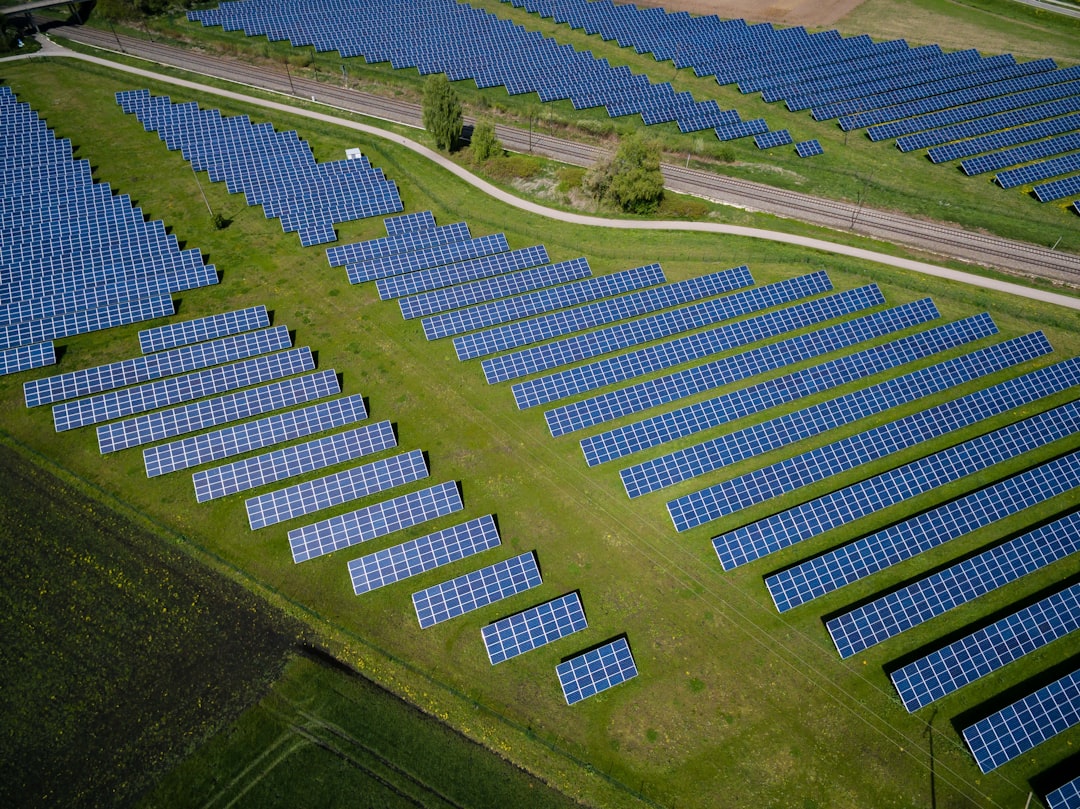
NV Energy opened applications for its Expanded Solar Access Program on September 1, 2026. Income-qualified residential customers get solar energy from utility-scale and community-based resources at a lower rate, and nobody installs panels.
The program at a glance
| Item | Detail | Source |
|---|---|---|
| Application window | Sept. 1 to Oct. 31, 2026 | Fox5 Vegas |
| Income limit | 80% of area median income (HUD) | Fox5 Vegas |
| Average discount, 2026 | 8% to 9% on energy use, per NV Energy | Fox5 Vegas |
| Average discount, 2025 | 9% to 10% on the energy portion | This Is Reno |
| Lottery | December, if demand exceeds capacity | Fox5 Vegas |
How it works and who qualifies
The utility sets aside solar capacity and assigns shares to approved customers. Participants get a discount on the energy portion of their electric bill, and they also help pay for new clean energy resources in Nevada. NV Energy says participants are saving an average of 8% to 9% on electric consumption in 2026, depending on their rate. That figure is the utility’s own, and it applies to the energy charge, not the whole bill.
To qualify, you must be a bundled residential NV Energy customer with household income at or below 80% of the area median income set by the U.S. Department of Housing and Urban Development. You may instead show eligibility through a qualifying assistance program. Apply online through MyAccount or by mail with supporting documents. Because the program runs through the electric account, you need to be the account holder. The reports we reviewed don’t say how renters who pay for electricity through a landlord or a master meter can take part.
What changed this year
Capacity is fixed each year, and applying doesn’t guarantee a spot. If applications exceed capacity, NV Energy will hold a lottery in December. Current participants who want to stay enrolled in 2027 must recertify by October 31, 2026. A local report said that in 2025, existing participants were re-enrolled automatically without proving eligibility each year, so this is a change.
Effective January 1, 2027, two older categories close: Disadvantaged Business/Nonprofit and Eligible Premises. Their capacity moves to income-qualified residential customers. State legislation drove that shift, according to the 2025 report.
Why It Matters to You
- If you’re an income-qualified NV Energy customer, you can get solar-sourced energy at a discount without owning a roof or installing anything.
- Applications are open now and close October 31, 2026. Current participants must recertify by the same date.
- Spots are limited, so even eligible households may be left out if the December lottery runs.
- The discount is an average the utility reports, and it applies to the energy charge only.
Limits to keep in mind
The 8% to 9% figure is an average reported by NV Energy, and individual results vary by rate plan. Local reports put the 2025 average at 9% to 10%, so the discount isn’t fixed from year to year. The reports give no dollar income limit, so check your household size against HUD’s area median income tables. We found no independent evaluation of the savings; the figure comes from the utility.
Quick answers
Do I need to own a home to apply? No panels are installed at your address, so owning a roof isn’t a factor. You do need to be a bundled residential NV Energy customer who meets the income test.
When is the deadline? Applications and recertifications are due October 31, 2026.
What happens if too many people apply? NV Energy will hold a lottery in December to choose participants.
How much will I save? The utility reports an average of 8% to 9% on electric consumption in 2026. Your own savings depend on your rate and usage.
Sources
- Fox5 Vegas: NV Energy accepting applications for expanded solar access program (Sep 1, 2026)
- This Is Reno: NV Energy opens applications for expanded solar access for low-income customers (Aug 26, 2025)