
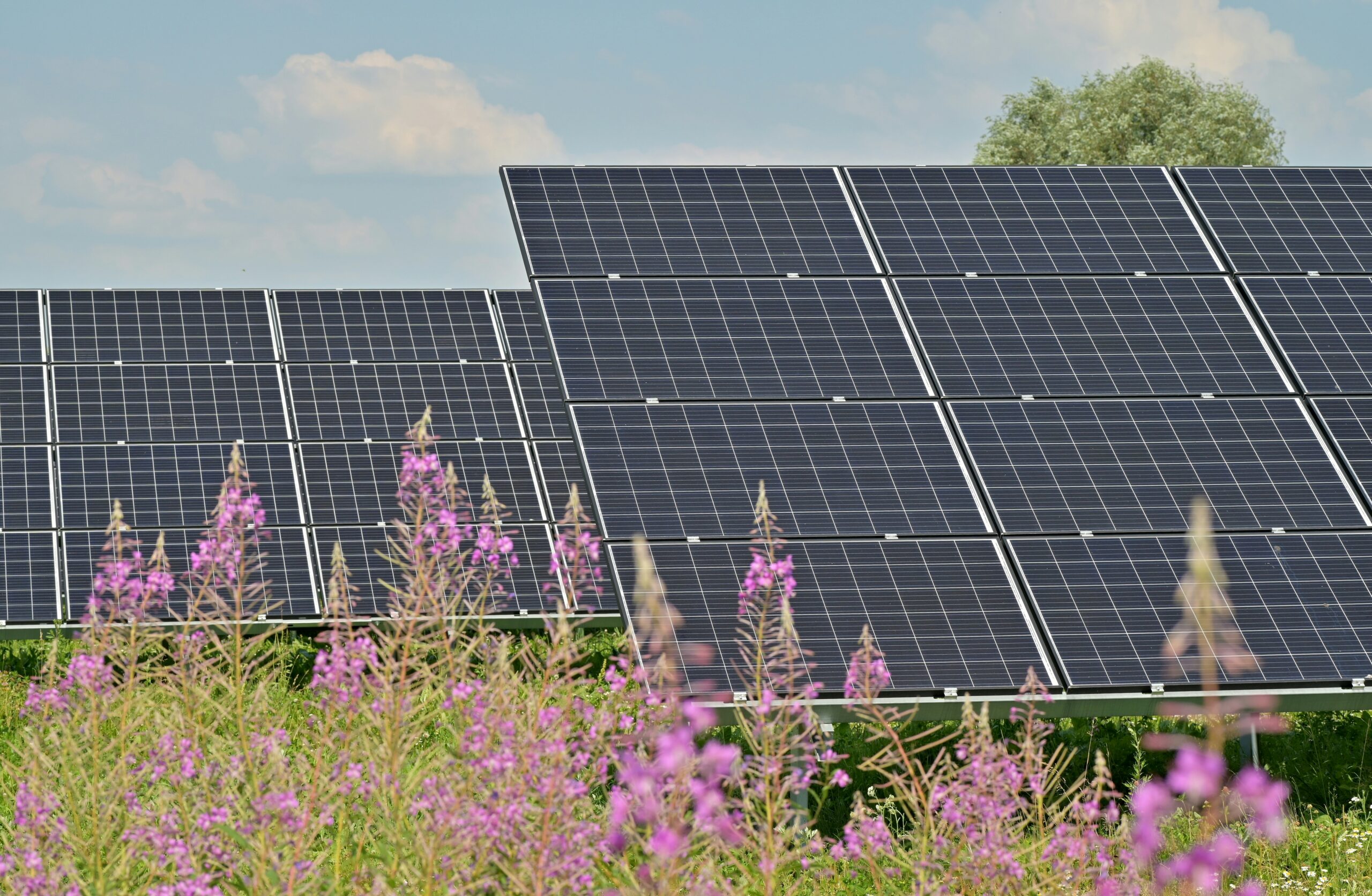
In June 2026, Delaware Governor Matt Meyer announced that four community solar projects by ECA Power were accepted into the state’s JobsFirst Permitting Accelerator. The governor’s office says the projects total more than 16 megawatts of new solar and more than $73 million in private investment. They are planned for Seaford, Townsend, and Clayton, in Sussex and New Castle counties. The announcement is about faster permitting. It is not a report that the projects are built or crediting bills.
What does the accelerator actually do?
It was created under Executive Order 18 earlier in 2026. State agencies review a project at the same time instead of one after another, and each project gets a single point of contact. The governor’s office says permitting for these projects often runs longer than 48 months. Acceleration does not mean automatic approval. Local concerns about land use, grid connection, stormwater, and farmland remain, Delaware Live reports.
The accepted projects are Lonesome Road and Woodpecker Road (both Seaford), Townsend, and Clayton Phases I and II.
Are these projects operating?
Not yet. They were accepted into the permitting accelerator in June 2026, and none of the coverage gives construction or online dates.
How does community solar work here?
Residents and businesses subscribe to a share of a solar farm instead of installing panels. WBOC reports that subscribers keep Delmarva Power as their electricity supplier and see savings as credits on their monthly bills. That makes the model usable for renters and for homeowners with shaded or unsuitable roofs.
Why It Matters to You
If you rent, or your roof is shaded or unsuitable, a subscription could give you bill credits without installing anything. Nothing is open to you yet: the projects are only permitting-accelerated, and the coverage describes no enrollment process. Check with the developer and the Delaware Department of Natural Resources and Environmental Control (DNREC).
Will I save 10% to 15%?
That is a projection reported by WBOC and Delaware Public Media. Actual savings depend on the subscription contract, which has not been published. The governor’s press release gives no household count. It says “thousands of Delaware families” would save, and outlets report different household and savings figures for the same announcement.
| Claim | Reported by |
|---|---|
| More than 16 MW, more than $73 million | Governor’s office, via Renewable Energy Magazine |
| Savings of 10% to 15% for more than 16,000 households | WBOC (Jun 23, 2026) |
| “Over 15 thousand families”; 10% to 15% savings | Delaware Public Media (Jun 23, 2026) |
| About 1,900 to 2,300 average homes of annual energy, using an assumed 15% to 18% capacity factor | Delaware Live analysis (Jun 24, 2026) |
How far can those numbers be trusted?
- The 16,000-household and 10% to 15% figures are projections quoted in news reports. They do not appear in the governor’s release, and no published calculation stands behind them.
- “Households” can mean different things. A household count of subscribers differs from the homes’ worth of annual electricity the farms produce.
- Delaware Live notes critics, including the Caesar Rodney Institute, who want consumer protections on community solar contracts and bills that show the gross credit, the subscription fee, and the net saving.
- The projects are not yet energized, and no coverage says they will credit bills this year.
Do I keep Delmarva Power?
Yes. WBOC reports subscribers continue to get electricity from Delmarva Power.
Sources
- Renewable Energy Magazine: Delaware governor announces accelerated community solar projects (Jun 26, 2026)
- WBOC: Delaware advances solar projects in push for more affordable energy (Jun 23, 2026)
- Delaware Public Media: Gov. Matt Meyer seeks to expedite construction of four community solar projects (Jun 23, 2026)
- Delaware Live: Meyer solar push promises lower bills, but critics warn consumer protections must keep pace (Jun 24, 2026)