
One evening. One battery. About $5,000 saved. That’s what happened this month when a small electric cooperative in northwest Montana flipped the switch on its newest community solar battery savings project, and the payoff arrived faster than anyone expected.
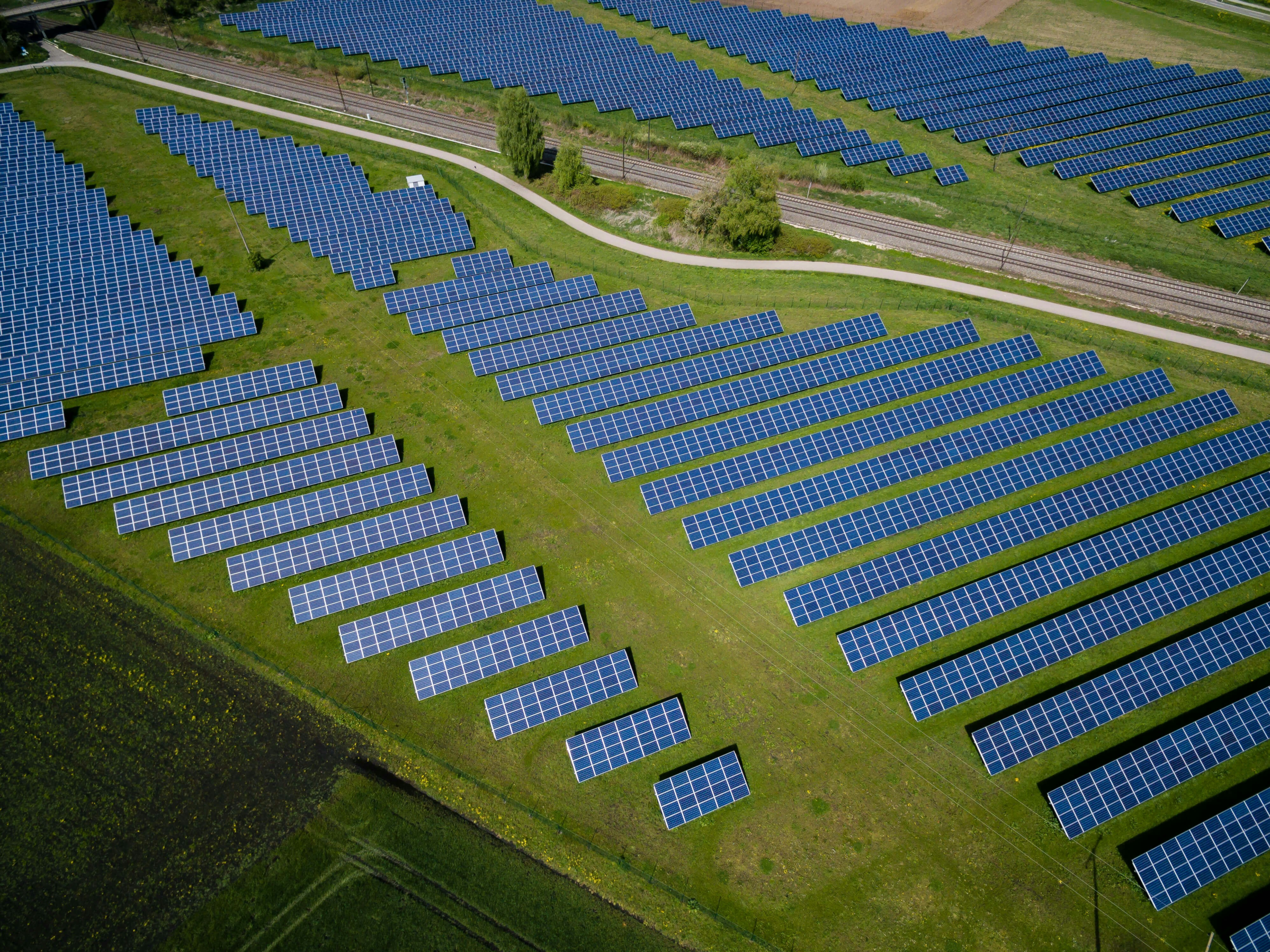
Flathead Electric Cooperative just finished its third community solar array, a field of 448 panels next to the wastewater treatment plant in Whitefish. It’s the co-op’s first array paired with a utility-scale battery, and that pairing is what makes this one worth watching. The panels alone would have been a nice upgrade. The battery turns it into real money back in people’s pockets.
Solar for People Without a Roof to Spare
Community solar solves a real problem: millions of people rent, or have a roof that faces the wrong way, or sits under too many trees, so they can’t just call a contractor and bolt on panels. This model lets them buy a share of a shared array instead and watch the savings land on their bill.
Picture a nurse finishing a night shift in Whitefish. She rents her apartment, so rooftop panels were never an option. Through this project, she bought into a handful of panels for $700 apiece and now sees a credit land on her electric bill every month. No ladder, no installer, no maintenance call. It won’t change her life on its own, but it adds up year after year, without ever asking her to own a roof.
- $700 buys one panel’s worth of generation rights
- Members see roughly $40 to $70 back per panel, per year, on their bill
- All 368 member-purchased panels are already spoken for
- Flathead set aside about 80 panels for low-income households; a $50,000 Bonneville Environmental Foundation grant and a donation from YETI covered them, so those families never paid the $700 at all
A $463,307 USDA Rural Energy for America Program grant covered the rest. That’s federal money doing its job: making clean power affordable in a small town, not just the big cities that usually get the headlines.
The Battery Turns Sunshine Into a Storm-Season Safety Net
Solar panels only make power when the sun’s out, but people use the most electricity in early evening, when everyone gets home and turns on the AC. That mismatch is expensive: utilities pay premium wholesale rates during those peak hours.
The Whitefish battery banks solar power all day, then discharges it during the 4 to 9 p.m. crunch. That shaves down what the co-op has to buy at the worst possible price. One evening of peak-shaving alone saved roughly $5,000, and the savings spread across the entire membership, not just the people who bought panels.
“The battery allows us to store electricity and release it when it can provide better value to our electrical system,” says Flathead Electric board president Stacey Schnebel.
That’s the smarter way to think about clean energy: it’s not just about making power, it’s about making it at the right moment.
Community Solar Battery Savings Are Spreading Beyond Montana
Flathead Electric isn’t alone. Massachusetts recently put $40 million behind battery storage so 36 communities keep their lights on through storms, and Illinois just opened a solar farm that guarantees half-off power bills for income-eligible families. The Daily Inter Lake’s coverage of the Whitefish project points to the same pattern: rural co-ops are pairing solar with batteries because the math works better together.
If you rent, live somewhere shaded, or can’t afford a rooftop system, look up whether your utility or co-op runs a community solar program, and ask if a battery is part of it. That one detail is turning out to be the difference between a nice idea and a bill that actually gets smaller.