
Denise Ortiz drives a school bus in Bloomington, Illinois, and her Ameren bill has climbed every summer for the past five years. This month, a solar farm a few miles outside town promises something her bill never has: a guaranteed discount, rain or shine.
PureSky Energy flipped the switch on McLean 1 Community Solar on September 22, its first project in Illinois. The farm runs through the state’s Illinois Solar for All program, built to knock real money off electric bills for the households who need it most.
Who Actually Gets the Discount
McLean 1 isn’t open to everyone. PureSky built it specifically for low- and moderate-income households in McLean County, near Bloomington-Normal. Subscribers don’t install anything on their own roof. They sign up once, and PureSky credits their Ameren bill based on the power the farm sends into the grid.
The guarantee is what sets this apart from most solar programs:
- Subscribers lock in savings equal to 50% of the value of their solar credits, whether their usage runs high or low that month.
- No roof, no panels, and no upfront cost to sign up.
- Renters and homeowners both qualify, along with nonprofits and public facilities across the state.
Fifty percent is a much bigger cut than most community solar deals, which typically land between 10% and 20%. Michael Brown of the Ecology Action Center, the McLean County nonprofit that helped connect residents to the project, put the stakes in plain terms:
“This provides cost savings for local residents, who have seen electrical rates increase 135% over the last five years.”
Illinois’s own utility watchdog has tracked similar jumps for both Ameren and ComEd customers statewide. That’s the difference between a bill you can plan for and one that wrecks your budget.
What the Farm Actually Delivers
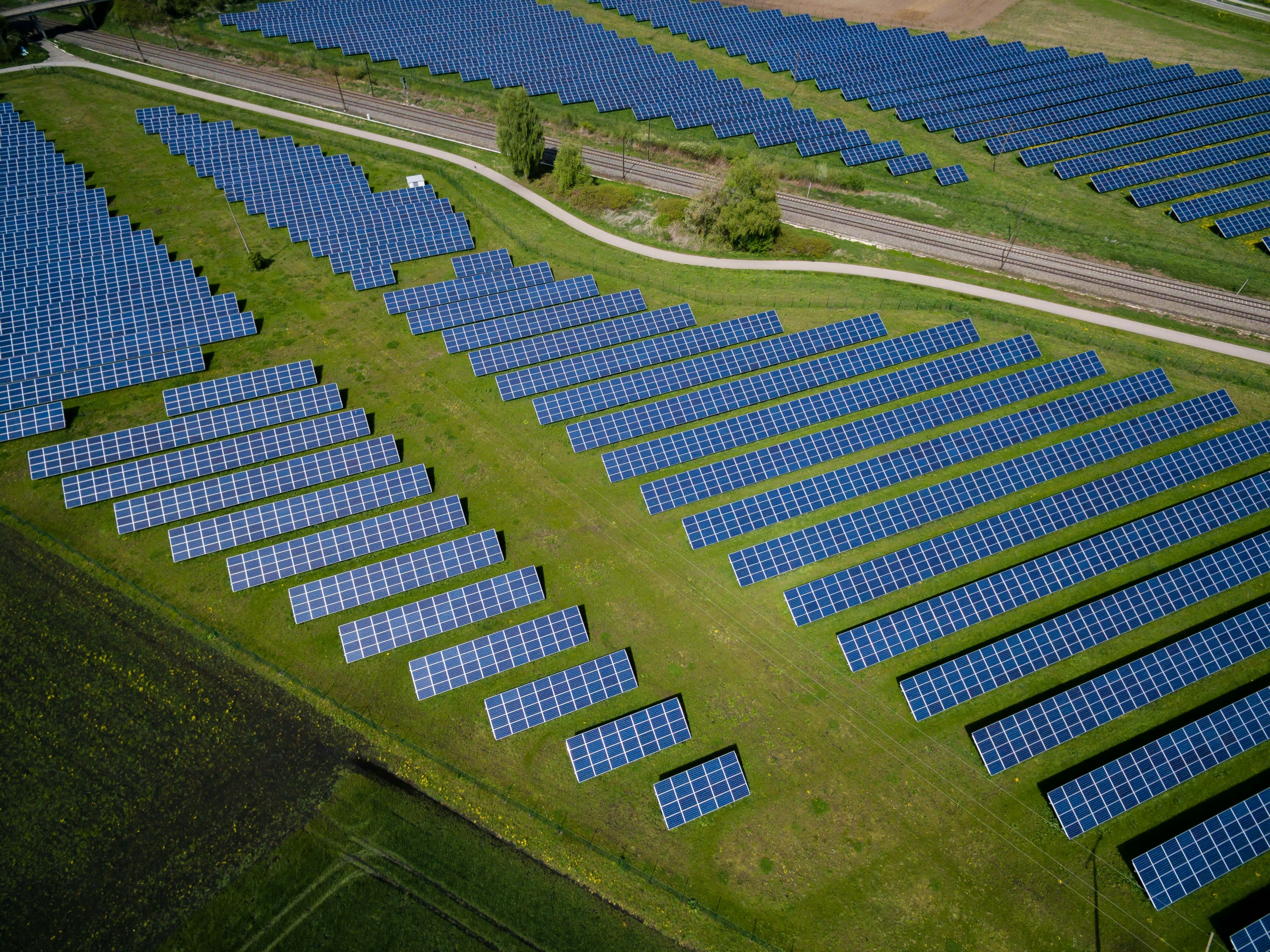
McLean 1 spreads roughly 3,364 solar panels across a 1.98-megawatt array. Together they’ll generate about 3.1 million kilowatt-hours a year, enough clean electricity to match what 439 households use annually. That output keeps an estimated 4.6 million pounds of carbon dioxide out of the air every year, pollution that would otherwise come from burning coal or gas somewhere on the grid.
Add it up over the project’s 30-year life, and PureSky expects subscribers to split roughly $5.4 million in savings. That works out to something like $180,000 a year flowing back into local households instead of into a utility’s revenue.
Why Illinois Solar for All Matters Beyond McLean County
Illinois Solar for All exists to make sure clean energy doesn’t skip past the people who need cheaper power most. McLean 1 proves the program can turn into an actual solar farm, not just a line in a budget. Just weeks earlier, Bloomington launched a separate community solar program that works the same basic way: sign up, skip the install, watch credits appear.
None of this depends on owning a house or having good credit for a loan. Renters qualify, and so do homeowners whose roofs face the wrong direction or sit under too much shade. That’s the whole point of Solar for All, and it’s worth watching whether other states copy PureSky’s 50% guarantee.
If you rent your home, watch your Ameren or ComEd bill climb every summer, or just want a straightforward way to save without spending a dime upfront, check whether your county has a Solar for All project taking subscribers. Denise didn’t have to buy anything to save on her power bill this fall. Neither should you.