
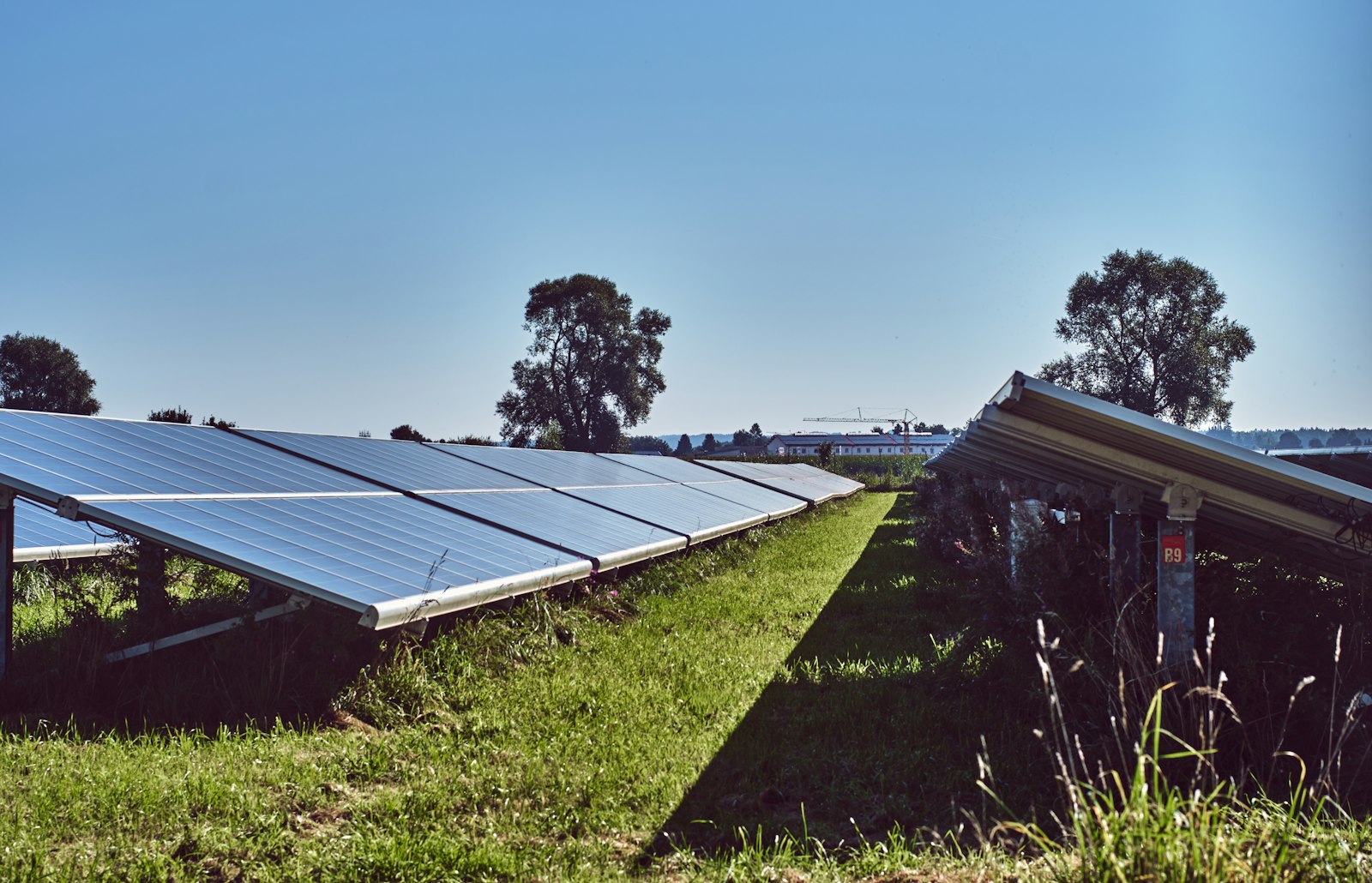
A new 41-megawatt solar park in Genesee County, Michigan, will supply power to school districts that belong to the Michigan Schools Energy Cooperative (MISEC).
| Item | Detail |
|---|---|
| Project | MISEC Genesee Solar, 41 megawatts, about 300 acres on Bray Road near Crossroads Village |
| Status | Open as of WNEM’s August 26, 2026 report |
| Developer | NorthStar Clean Energy, with MISEC |
| Who takes part | 65 K-12 districts and more than 350 schools (WNEM) |
| Term | 15-year agreement (NorthStar report) |
| Projected savings | About $18 million over 15 years across all districts (WNEM) |
How the deal works
MISEC is a purchasing cooperative formed almost 30 years ago to help schools manage energy costs. It negotiated one agreement for its members instead of having each district build or buy its own array. Peter Spadafore, MISEC’s executive director, cited savings, price certainty, and an in-state asset as reasons for the project. Participating districts also get a curriculum with two units on careers in wind energy and in solar and storage, according to WJRT.
Schools in this deal don’t own panels on their own roofs. They buy output from a shared project under a long-term contract, which lets small districts without energy staff join the same agreement as larger ones. The sources don’t say whether the electricity is delivered to each school directly or credited through a financial arrangement, so how each district’s bill changes is unclear.
Why It Matters to You
- If your child attends a school in one of the 65 participating districts, the district has long-term price certainty on part of its energy costs, and students get a curriculum with units on wind and solar careers.
- Taxpayers in those districts could see lower energy spending, but the $18 million is a projection, and no district-level amounts are public.
- The park is open now. Whether other districts can join isn’t stated.
Reading the numbers
The $18 million is a projection over 15 years for all districts combined, not a savings result. Divided evenly across 65 districts it would be a small share of any one budget, though that division is our arithmetic, not a reported number. “More than 350 schools” describes the schools in participating districts, and a 41-megawatt park doesn’t power each school’s full load. The sources don’t give the contract price, so it can’t be compared with utility rates. WNEM reported that the park is open as of August 26 but gave no ribbon-cutting date. The cleaner-grid benefit is the developer’s general statement, and the sources give no emissions figure.
Quick answers
Who built the solar park? NorthStar Clean Energy developed it in partnership with MISEC. NorthStar’s president and CEO, Brian Hartmann, spoke at the opening.
Can any Michigan school district join? The reports describe 65 districts in the cooperative taking part. They don’t say whether more can join. Contact MISEC for current membership terms.
Will my school’s electric bill drop? The cooperative projects savings and price certainty, but the amount depends on each district’s contract and utility rates. No district-level figures are public in the sources reviewed.
Is this the same as NorthStar’s other Michigan project? No. NorthStar completed a separate 120-megawatt Hart Solar Project in Oceana County for other buyers.
Sources
- WNEM: New Genesee County solar park to save Michigan schools millions in energy costs (Aug 26, 2026)
- WJRT: Genesee County Solar park will help provide power to local schools (accessed Oct 13, 2026)
- Renewable Watch: NorthStar Clean Energy completes 120 MW solar project in Michigan (Sep 24, 2026)