
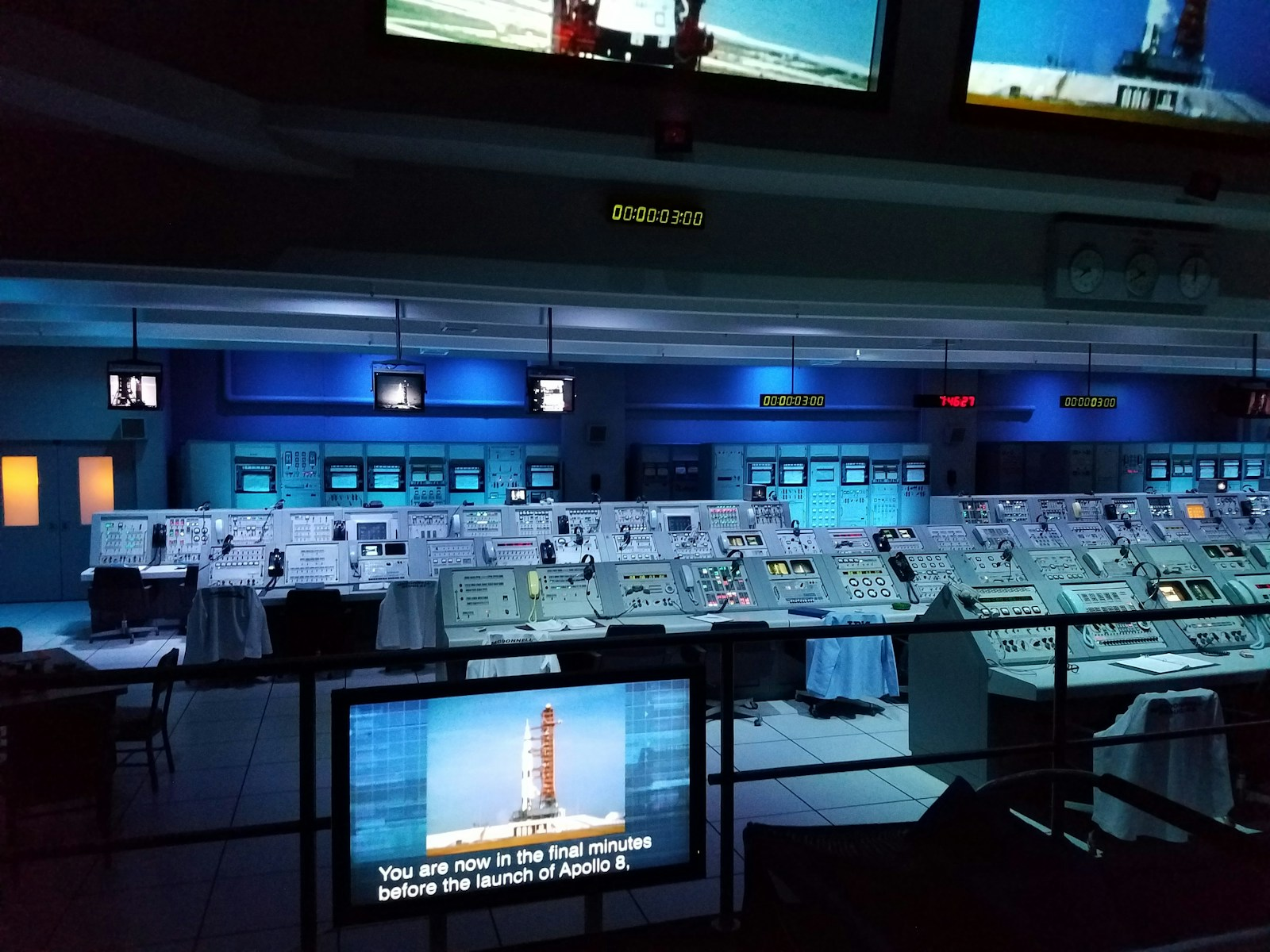
A Philadelphia-area electricity customer probably never thinks about the switches inside the Limerick nuclear plant thirty miles away, until one of them fails and a repair bill shows up somewhere on next year’s rate case. Constellation just started ripping out the switches that could cause that problem.
What Constellation Is Actually Replacing
Constellation just started tearing analog reactor controls that predate the internet out of a working nuclear plant. At the Limerick Generating Station outside Philadelphia, the company is running what it calls the Limerick digital safety upgrade, swapping decades-old hand switches, mechanical lamps and pneumatic gauges for a single digital control platform built around touchscreens. Constellation’s Jerry Segner, the project’s principal manager, calls it the industry’s first safety-related digital instrumentation and control upgrade of this scale in the United States. That claim carries weight because Limerick is not a demonstration project or a startup’s prototype. It’s two working boiling water reactors, generating a combined 2,315 megawatts, getting a full nervous-system transplant while they keep running.
Why Old Switches Are a Slow-Motion Cost Problem
Limerick’s two units came online in 1986 and 1990. Their safety systems, the ones that scram the reactor, cool the core in an emergency, isolate containment and remove decay heat, have relied on physical switches and analog indicators ever since. Parts go obsolete, vendors stop making replacement components, and technicians spend hours manually verifying switches and gauges one at a time. None of that is a safety failure waiting to happen, but it is a slow-motion cost and reliability problem for a fleet of reactors the country is counting on to keep running for decades past their original license terms, and obsolete-parts hunts are exactly the kind of maintenance expense that eventually gets passed through to a customer’s bill.
What the New Control Room Actually Does
The new system replaces that hardware with centralized workstations and touchscreens covering every Tier 1 safety function at the plant: reactor scram, emergency core cooling, reactor isolation and containment isolation among them. Instead of waiting for a technician’s rounds, it runs continuous self-diagnostics across equipment trains and feeds operators higher-fidelity data during the moments that matter most, whether that’s an emergency shutdown, a cooling failure or a containment event. Constellation’s Mark Samselski, who manages design engineering on the project, described it as less an equipment swap and more “a transformation of your operating model, your business model.” Staff shift from manually throwing switches to supervising automated systems and catching problems the software flags rather than hunting for them by hand.
The Nuclear Regulatory Commission approved the license amendment in January, more than three years after Constellation filed for it in September 2022. Installation starts at Unit 2 in spring 2027, with Unit 1 following a year later.
Why This Matters Beyond One Plant
Most of the US reactor fleet dates from the same era as Limerick and shares the same analog bones. If this upgrade goes smoothly, it hands the rest of that fleet, and companies already automating new builds like the team behind the Rolls-Royce SMR automation deal, a proven path to modernize safety systems without shutting plants down for good. Fewer manual checks, faster fault detection and less exposure to obsolete parts add up to a cheaper, safer way to keep existing reactors running longer, which is exactly what the grid needs while newer reactor designs work their way through licensing, and exactly what keeps a surprise obsolete-parts charge off a ratepayer’s bill.
What to Watch Next
Watch for Unit 2’s installation to begin on schedule in spring 2027. A clean rollout there is what turns this from a one-plant upgrade into the template the rest of America’s aging reactor fleet follows.