
A reactor maintenance technician at a molten salt plant has traditionally had one bad option when something behind the shielding needs fixing: suit up and walk into a radiological area. A test completed this month at Kairos Power’s Tennessee campus is aimed at making that option disappear.
What Kairos Power Actually Tested
Engineers at Kairos Power proved they can maintain a nuclear reactor without anyone ever walking inside it. The test, completed this month at the company’s Oak Ridge, Tennessee campus, tackles two of the most stubborn problems in commercial reactor design: how to block radiation and how to keep the plant running when something needs fixing.
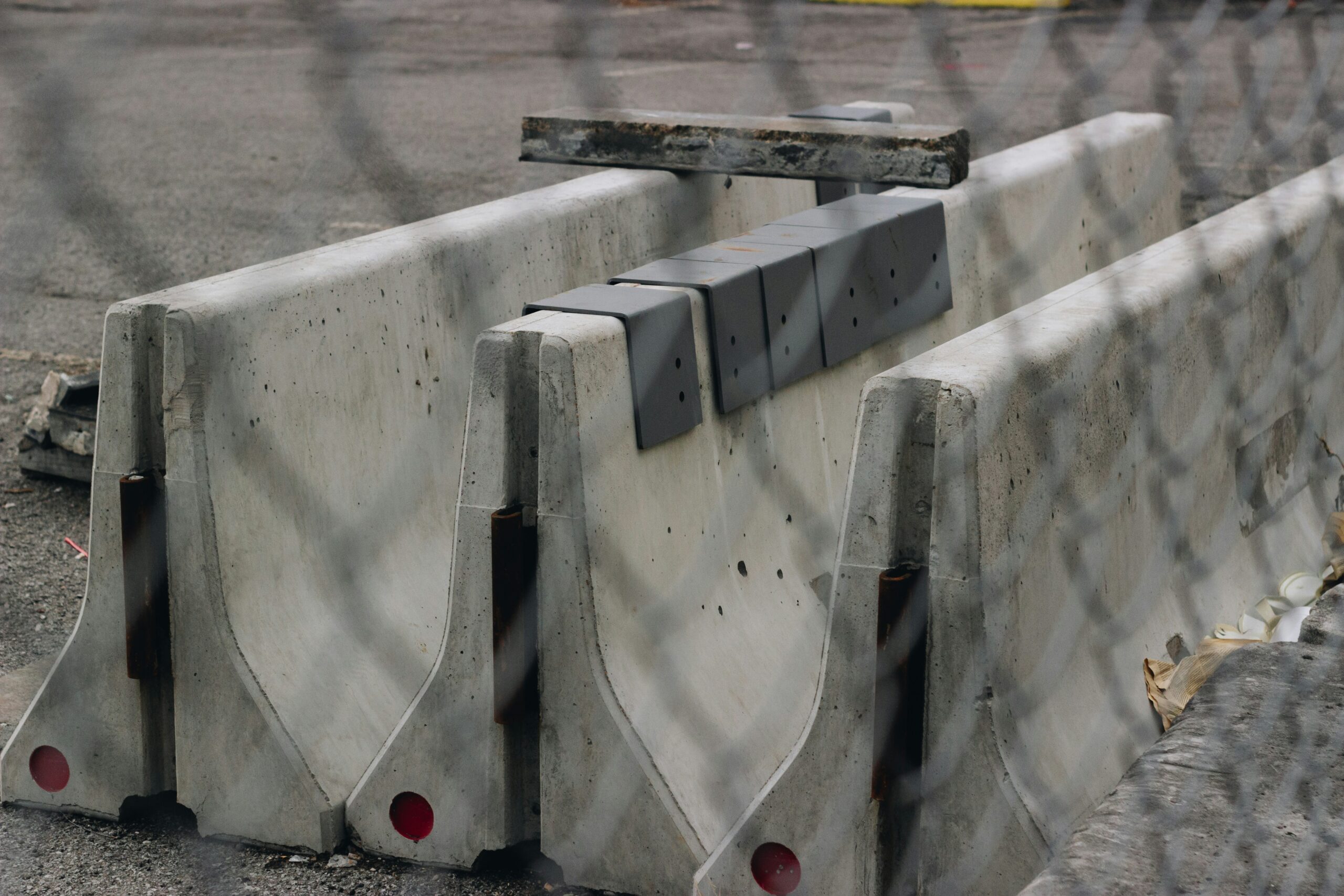
The mockup behind the test, called Engineering Test Unit 3, isn’t a working reactor. It’s a full-scale, non-nuclear stand-in for the reactor cavity of Hermes 2, the commercial molten salt reactor Kairos Power is developing in Tennessee. The hardware inside it is real, though. Twelve precast concrete wall panels, built from four different designs, form the shielding structure, with stepped and sinusoidal joints cut into the seams between panels specifically to stop radiation from sneaking through the gaps, a detail that sounds minor until you remember that seam leakage is exactly the kind of flaw that turns a solid shielding design into an expensive retrofit years later.
Why the Robot Arms Matter More Than the Concrete
The bigger achievement might be what happened above the cavity. Kairos Power mounted robotic arms over the mockup and used them to connect and disconnect process lines running through the shielding, all without a single person entering the enclosure. Remote maintenance is one of the hardest and most expensive parts of running an advanced reactor. Every valve, pipe, or sensor that requires a worker to walk into a radiological area adds cost, adds downtime, and adds risk to that worker. Prove you can service those same components with a robot instead, and both the technician’s exposure and the operating expenses that have made nuclear power notoriously hard to build on budget start to shrink together.
A Manufacturing Shortcut, Too
There’s a manufacturing story tucked inside this test. Kairos Power cast the concrete shielding plugs and structural elements using 3D-printed polymer composite molds, developed jointly with Oak Ridge National Laboratory, a technique that echoes the 3D-printed pressure vessel work other reactor builders have used to cut fabrication time. Traditional concrete formwork for a reactor building can take months to produce and ships as bulky, single-use lumber and steel. Printing the molds instead lets Kairos Power iterate on shielding geometry quickly and skip the slow custom-fabrication queue that has bottlenecked other advanced reactor projects.
Why This Feeds Directly Into Hermes 2
Kairos Power is simultaneously building Hermes 1, a scaled demonstration reactor, and the ETU-3 findings will shape how Hermes 2, the company’s first commercial-scale plant, gets built. “Delivering real hardware is central to Kairos Power’s mission to enable safe and affordable commercial deployment,” said Austin Clark, a senior engineer on the project. Co-founder Ed Blandford added that testing the interfaces between modular shielding structures and reactor equipment gives the team a clearer picture of which design features can be standardized across future plants, rather than custom-engineered every single time.
That standardization is where the real savings live, for both the company’s budget and the people who’ll eventually staff these plants. A fleet of reactors built from repeatable, pre-validated shielding modules costs less to permit, less to build, and less to maintain than one-off designs, and it needs fewer workers ever standing where the radiation is. This kind of unglamorous groundwork, similar to the safety validation testing behind NuCube’s heat pipe reactor, is what actually determines whether next-generation reactors reach the grid on schedule. ETU-3 will keep running afterward as an operator training platform, giving future plant staff a place to practice remote maintenance before Hermes 2 comes online.
What to Watch Next
Watch for Kairos Power to fold these shielding and robotics lessons into Hermes 2’s actual construction. A technician who never has to suit up for routine maintenance is the kind of quiet safety win that doesn’t make headlines, but it’s exactly what makes a nuclear job look like any other skilled trade instead of a hazard pay position.
Read more from World Nuclear News on the ETU-3 milestone.