
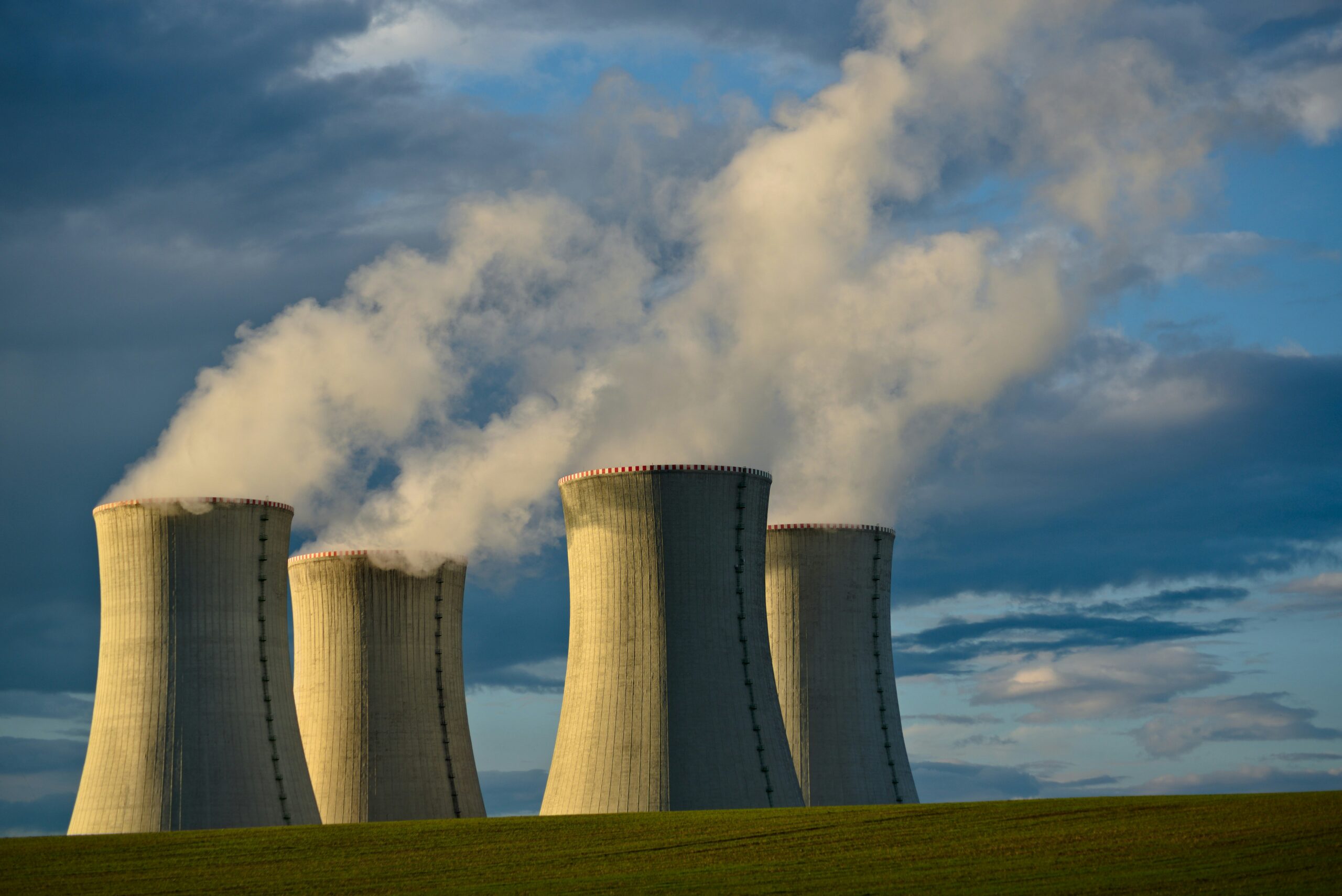
The U.S. Department of Energy just cleared one of the toughest safety reviews in nuclear power. The approval went to the Last Energy PWR-5, a pilot reactor going up at Texas A&M’s RELLIS campus in Bryan, Texas. On October 8, World Nuclear News reported that the DOE approved the reactor’s Documented Safety Analysis, the most detailed safety report a test reactor has to pass before it can load fuel.
What a Documented Safety Analysis Actually Proves
A Documented Safety Analysis, or DSA, is not a rubber stamp. It has to show exactly how the plant handles every failure mode engineers can dream up, before a single fuel rod goes in. Last Energy passed a lighter, preliminary version of this review back in May. The full DSA goes further. Here is what it unlocks, in order:
- A final readiness review, the last DOE check before startup
- Permission to bring fuel onto the site
- A path toward low-power criticality, the first real test of the reactor’s physics
Clearing each step feels slow next to a press release. That is the point: slow, documented paperwork is how regulators let something new near a power grid.
The Last Energy PWR-5: Built in a Factory, Not a Field
PWR-5 is a scaled-down test version of Last Energy’s commercial design, the PWR-20. Both share the same core: a pressurized water reactor, the same proven technology that has powered submarines and civilian plants safely for seven decades. Last Energy just assembles it differently. It builds the reactor’s parts, including a 1,000-ton sealed steel containment vessel, inside a factory, then trucks them to the site and bolts them together instead of pouring concrete for years.
Another small reactor project recently cleared its own permitting marathon in record time, and Last Energy is chasing that same speed, just on the safety side. It is part of a wider shift toward treating reactors like products on an assembly line, not one-off construction jobs.
“PDSA approval is a major step in moving the PWR-5 from construction into operations,” said Adam Lenarz, Last Energy’s Vice President of Development, after the company’s earlier preliminary approval.
Why a Texas Reactor Pilot Matters for Your Power Bill
Picture Renata, a home health aide in Bryan, Texas. Every July, she picks up extra night shifts to cover coworkers whose air conditioners run nonstop and whose bills spike along with them. She has never thought much about where her electricity comes from. She just dreads opening it in August.
This approval will not change that bill this year. But it matters for the grid Renata shares. The Electric Power Research Institute estimates that data centers could use up to 9% of all U.S. electricity by 2030, roughly double today’s share. Last Energy builds its microreactors to power data centers and factories directly, which keeps that new demand off neighborhood grids. A reactor running at full output around the clock also leans less on expensive gas plants during heat waves, and gas is exactly what spikes a July bill when demand surges.
A safety approval is not a running reactor. Fuel loading, a readiness review, and an actual criticality test still stand between here and startup. But each cleared step shortens the distance between a promising nuclear startup and a power plant on the grid. Texas A&M’s own coverage of the RELLIS partnership frames the site as a training ground for the state’s future nuclear workforce, not just one company’s test bed.
Watch for the readiness review decision next. If the DOE clears it, fuel loading and a first criticality test could follow within months. That is the moment a factory-built reactor stops being a blueprint and starts being a power source.