
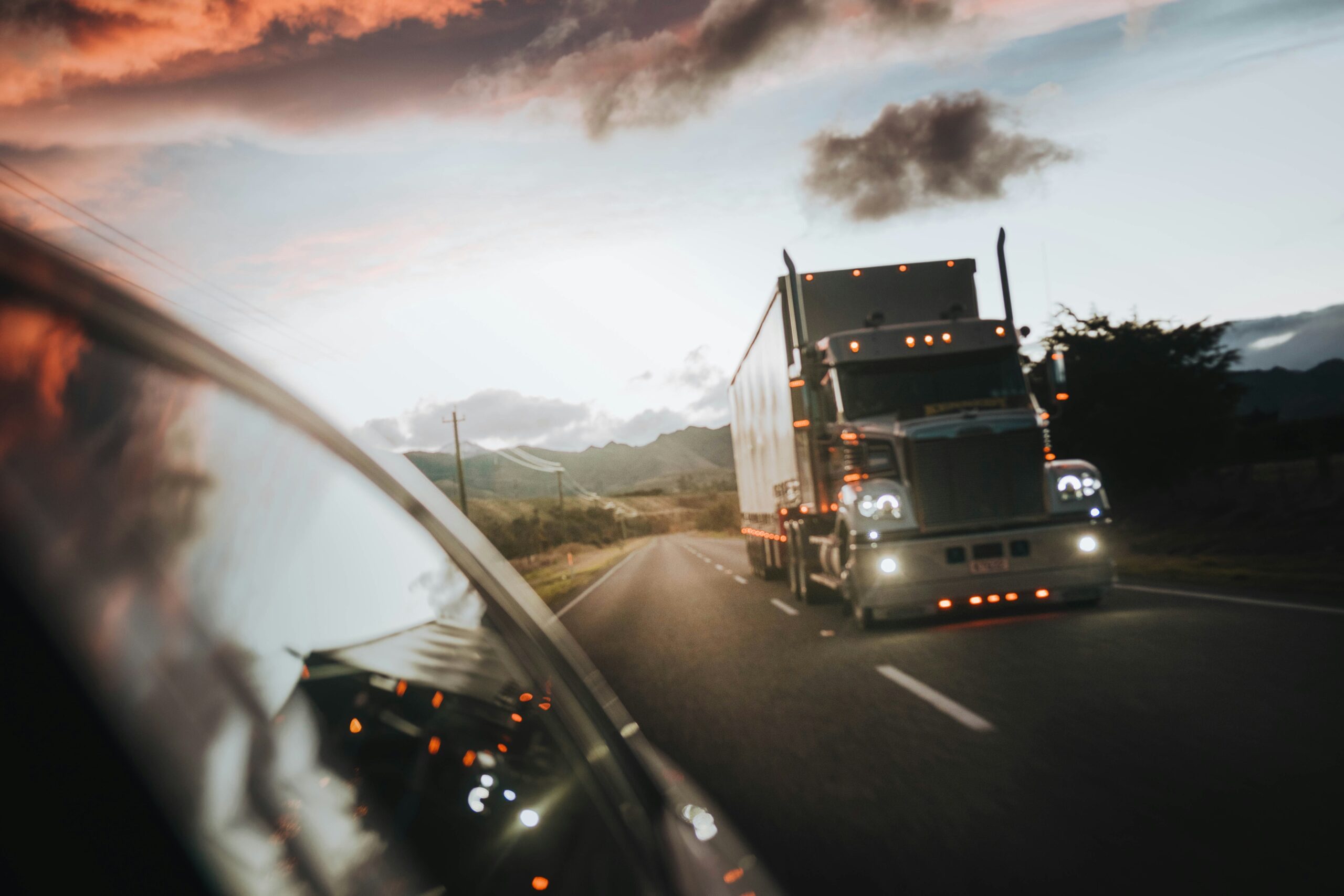
Teresa used to pack a bag for three days every time she climbed into her rig in Dallas. Long-haul trucking meant truck-stop showers, gas-station dinners, and missing her daughter’s soccer games more often than she liked. This month, her route changed for good.
A new Kodiak autonomous trucking route between Dallas and Laredo, Texas now covers the long middle stretch of that 435-mile run. Kodiak AI and the carrier Charger USA switched on the lane in September. The company behind it built the whole setup around one goal: getting drivers like Teresa home every night instead of sleeping in a cab.
Here’s how it works. A self-driving truck, loaded with Kodiak’s sensors and software, handles the long overnight highway miles. A trained safety specialist still rides along for now, since Kodiak hasn’t finished certifying the route for fully driverless runs. But the job is already splitting in two. Local drivers handle the short legs near the terminals. The truck covers the grind in between.
Why the Kodiak Autonomous Trucking Route Matters for Your Grocery Bill
This isn’t only a trucking story. The trucks on this lane haul refrigerated and dry goods for food and beverage companies. That’s the same kind of freight that stocks shelves at grocery stores across Texas and beyond.
Laredo is the busiest land port for trade in the entire country. It moved more than $350 billion worth of goods in 2025, nearly 40% of everything the U.S. trades with Mexico. That works out to close to $1 billion crossing the border every day. This lane runs on predictable timing, around the clock. It never pauses for a mandatory rest break like a human driver would. That helps keep the flow steady. Steady flow means fewer shortages and fewer price spikes when demand jumps. That matters whether you’re buying produce in San Antonio or restocking a corner store in Laredo itself.
“Bringing our drivers home every night.”
That’s how Charger’s president, Andy Khera, described the goal. Charger built the new lane around a network that serves customers and drivers at the same time.
A Win for the People Behind the Wheel
Long-haul trucking has one of the highest turnover rates of any job in the country. A lot of that comes down to time away from home. Picture a hub-style setup instead: local drivers handle short runs and get home nightly. That could spare some drivers two or three nights away from their families every week. For a parent like Teresa, that’s a dozen more bedtime stories a month.
Kodiak says its safety case for driverless long-haul runs sat at 96% complete at the end of September, up from 84% in February. The company expects to pull the safety driver and run fully driverless on its Dallas-Houston lane by the end of 2026, with Laredo likely following. Once trucks run with nobody behind the wheel, they’ll lean on the warning beacons regulators just cleared instead of a human placing reflective triangles after a breakdown.
Other outlets covering the launch note Kodiak already runs fully driverless trucks in the Permian Basin, so this isn’t a company making promises it hasn’t kept before.
Watch the Dallas-Houston lane first. If Kodiak pulls the safety driver there on schedule, Laredo should follow soon after. That means more goods crossing the border on time, and more truckers tucking their own kids into bed instead of texting goodnight from a truck stop.