
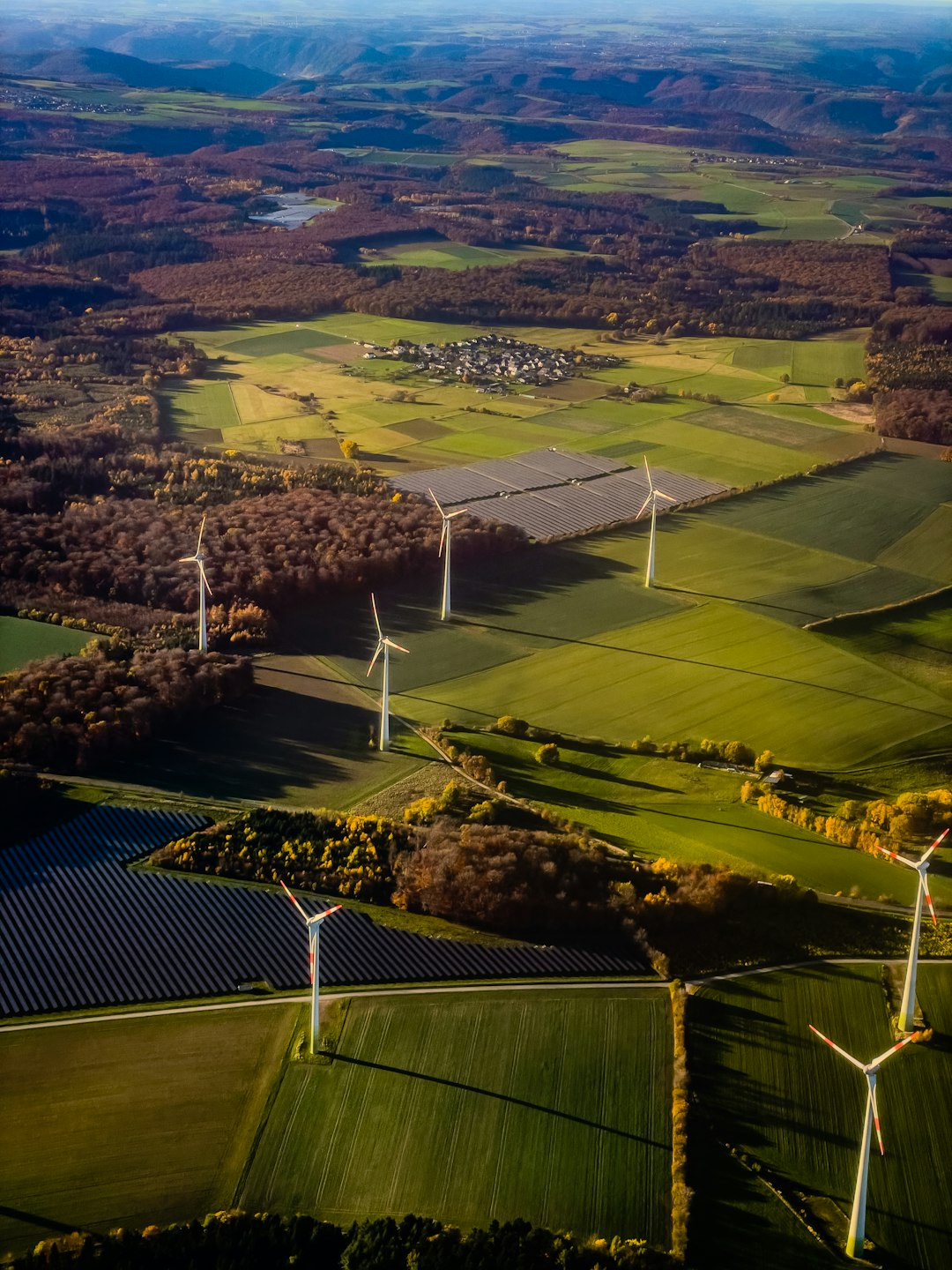
Picture Carla, a retired school bus driver in rural Isanti County, Minnesota. A January cold front has parked over the state for five days straight. The wind has gone dead calm, and the sky stays the gray of wet cement. Her electric co-op keeps her furnace running anyway. That reliability isn’t luck. It comes from a new iron-air battery storage system taking shape an hour from her house, built from iron and air instead of the lithium in most phones and electric cars.
The Battery That Runs on Rust
Form Energy, a Massachusetts startup, builds batteries out of iron, air, and a little water. The company calls the process reversible rusting. When the battery discharges, oxygen turns iron into rust and releases electricity along the way. When it charges back up, electricity turns that rust back into iron. Nothing exotic. Nothing rare.
That simplicity is the whole point. Lithium batteries handle a few hours of backup well, but the cost climbs fast over multiple days. Iron doesn’t have that problem. It’s one of the cheapest, most abundant materials on the planet.
“Iron is one of the most widely produced, lowest-cost materials in the world,” one of Form Energy’s co-founders told PBS Nova.
What 100 Hours of Iron-Air Battery Storage Buys You
Great River Energy, the cooperative that keeps the lights on for 1.7 million people across 26 Minnesota communities, broke ground on one of these systems this year. The pilot can power roughly 400 homes for 100 hours straight, about four days, with zero sun and zero wind.
Four days matters more than it sounds. When a cold snap or heat wave outlasts what wind and solar can cover, utilities fire up a natural gas plant to fill the gap. Those plants cost more to run, and they tend to sit closest to the neighborhoods already breathing the dirtiest air, the same pattern that made battery storage such a big deal for air quality in New York’s Hunts Point. Skipping the gas plant saves money and lungs in the same move.
Form Energy is targeting about $20 per kilowatt-hour for these systems, cheap enough to compete with the cost of keeping a gas plant idling on standby. For a ratepayer, that’s the difference between a utility bill that includes the cost of backup power and one that doesn’t.
750 Jobs in a Town That Lost Its Steel Mill
The same battery is reshaping Weirton, West Virginia, a town that watched its steel mill shut down years ago. Form Energy is building a $760 million factory there with more than 750 full-time jobs.
Imagine a 54-year-old former millwright who figured his welding skills had no home left in Weirton. He clocks in now to build casings that hold rust and electrons instead of molten steel. That’s a paycheck, not a press release.
- Multi-day backup for homes and small businesses when wind and sun fall short
- Fewer hours running gas plants, which means cleaner air for nearby communities
- A battery built from iron, one of the cheapest materials on Earth
- More than 750 manufacturing jobs in a region that needed them
What to Watch Next
None of this replaces solar panels or wind turbines. It backs them up, which is exactly what grids with more renewable power have been missing, much like Massachusetts’ battery program already keeping the lights on during storms.
Watch what happens when Great River Energy’s system goes live in 2027, and when Xcel Energy’s larger project follows. If iron-air batteries hold up at scale, the next four-day cold snap might be the one nobody notices, because the lights just stay on.